Rome: Countries fishing the Mediterranean and Black Sea adopted 11 binding recommendations at the General Fisheries Commission for the Mediterranean (GFCM), but a wider Mediterranean bottom trawling ban slipped to 2027 after the European Union blocked it. The 49th GFCM session ran in Rome from 26 to 30 October 2026, and coverage of its outcome continued into November.
The GFCM is a regional body of the UN Food and Agriculture Organization (FAO). The session, chaired by Eyüp Mümtaz Tiraşin, also adopted two resolutions.
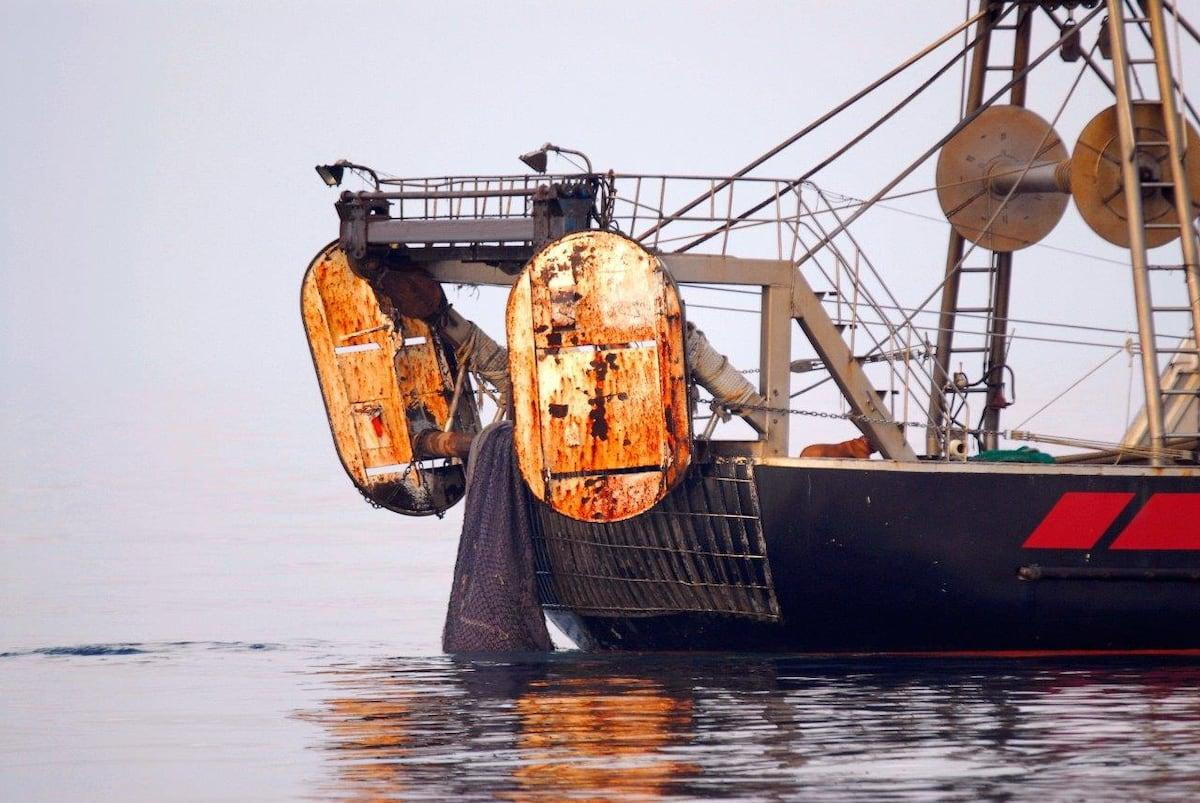
Türkiye proposed extending the existing ban on Mediterranean bottom trawling below 1,000 metres to the 800 to 1,000 metre band, an area of about 100,000 square kilometres. Egypt, Lebanon, Montenegro and Morocco backed the plan, and the GFCM’s own scientific committee had recommended it. The EU, which speaks for its member states in the GFCM, asked for reconsideration in 2027 instead.
That position on Mediterranean bottom trawling surprised conservation groups. The EU led a pilot study on the issue in 2023, and Fisheries Commissioner Costas Kadis had voiced support in July. Italy opposed the extension, and Graziella Romito of the Italian agriculture ministry said there was “not yet sufficient evidence”. MedReAct attributed the EU stance to pressure from Italy and Spain.
A second protection also stalled. Morocco blocked an EU proposal for a Fisheries Restricted Area at the Cabliers Coral Mound in the southern Alboran Sea. Scientists regard the site as the Mediterranean’s only known actively growing cold-water coral reef.
Beyond Mediterranean bottom trawling, the rest of the package moved forward. Members adopted new long-term adaptive plans for European hake and deep-water rose shrimp in the Strait of Sicily. A separate plan covers giant red shrimp in the Strait of Sicily, Ionian and Levant seas. Esther Wozniak of the Pew Charitable Trusts called it the world’s first international invertebrate fishery with a harvest strategy.
Other decisions set new fishing opportunities for common dolphinfish, including Algeria’s first quota. A seven-year Adriatic plan now covers five demersal species. Members cut 2027 quotas and effort for blackspot seabream in the Alboran Sea and set new Adriatic small pelagic quotas. For Black Sea turbot, they added a 360 millimetre gillnet mesh alongside the 400 millimetre option and made porpoise-alerting devices mandatory.
The FAO points to progress. The share of overexploited stocks in the Mediterranean and Black Sea fell from 87% in 2013 to 52% in 2025. “The evidence shows that when we are ambitious and act together, we are effective,” Kadis said.
Both blocked measures, including the Mediterranean bottom trawling extension, return at the GFCM’s 50th session in 2027, which Türkiye will host to mark the body’s 75th anniversary. Members will also draft a ministerial declaration to succeed MedFish4Ever. Until then, the debate over Mediterranean bottom trawling between 800 and 1,000 metres will shape how far the EU’s own ocean commitments reach into shared waters.