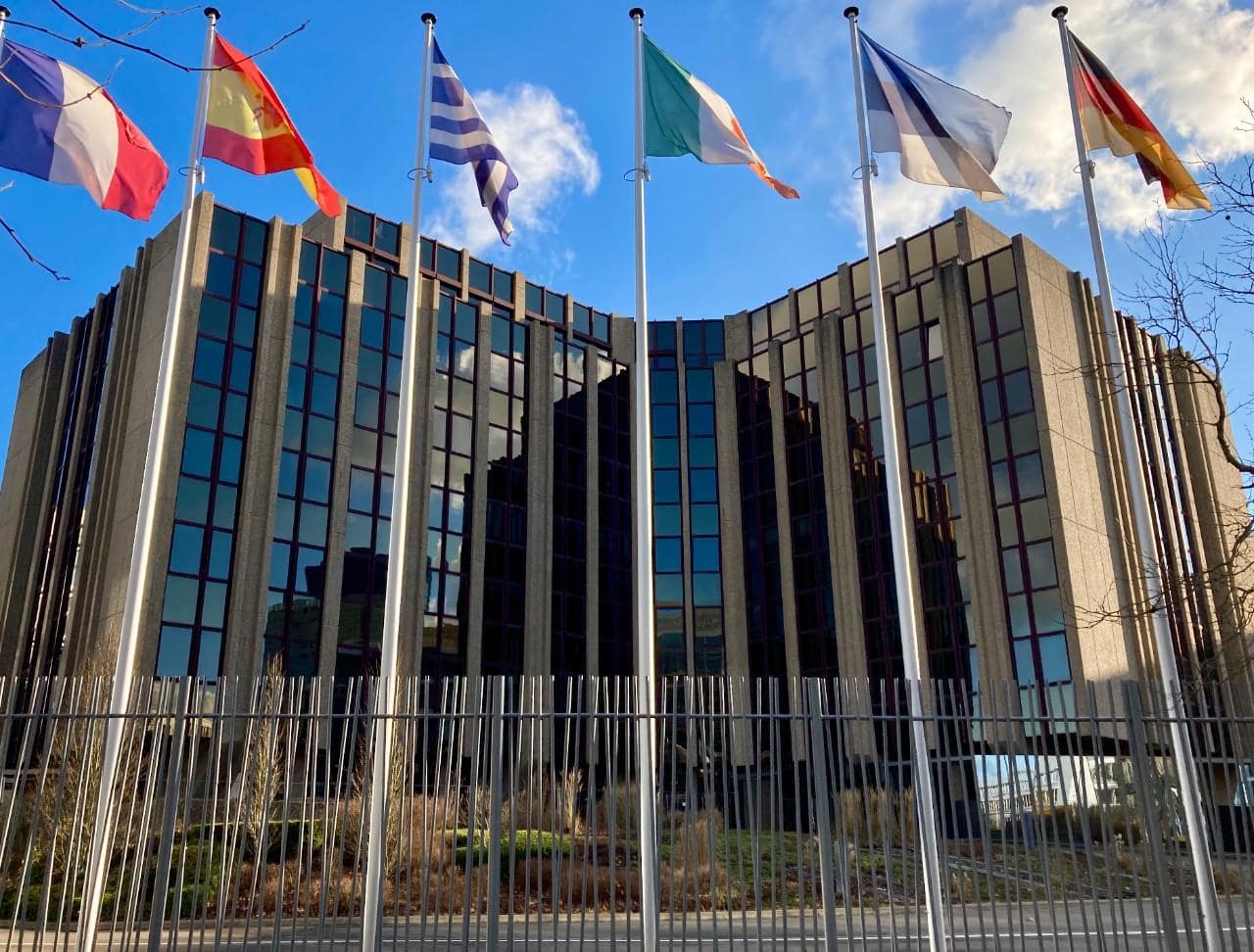
Berlin: Rule of law recommendations from the European Commission are largely going unheeded, according to a new gap analysis from the Civil Liberties Union for Europe, known as Liberties. The Berlin-based watchdog reports that 96 percent of the recommendations in the 2026 Rule of Law Report were not fully implemented, and it warns that the annual exercise is losing its force.
The Commission published its 2026 Rule of Law Report on 17 July 2026. Liberties then checked how member states responded across all 27 countries. It found that 54 percent of the recommendations showed no progress or only limited progress, while the share showing significant progress or full implementation fell from 24 percent in 2023 to 13 percent in 2026. Full implementation alone dropped from 11 percent to 4 percent.
The picture is one of repetition. Nearly all of the 2026 rule of law recommendations were repeats from earlier years, and only seven were new. The share of recommendations showing no further progress has stayed between 29 and 34 percent for four years in a row. The Commission offers a more positive reading and says that 47 percent of its 2025 recommendations were addressed fully or partially.
Nine member states stand out for persistent failures on rule of law recommendations. Liberties says that at least half of the assessed recommendations for Austria, Bulgaria, Denmark, Finland, Germany, Italy, Malta, Slovakia and Sweden showed lasting problems in 2025 and 2026. The list is not limited to the countries that usually dominate the headlines, and it includes a case study on democratic backsliding in Denmark and Sweden.
Media freedom is the sharpest point of dispute. Recommendations on media freedom and pluralism fell to 6 percent of the total, compared with 16 to 22 percent in earlier editions. The Commission removed recommendations that the European Media Freedom Act now covers, since most of its provisions became applicable on 8 August 2025. Liberties questions whether that choice serves the defence of media freedom, and it says the report risks becoming a “leftover tool” that only picks up issues other EU mechanisms have not addressed.
Enforcement of the new media law is thin so far, and media-related rule of law recommendations now make up a small slice of the report. The Commission has opened only one infringement procedure under it, against Hungary in December 2025. Meanwhile, Liberties’ partners in Bulgaria, Croatia and Spain report political interference in public service media, and partners in Croatia, Italy, Malta and Romania report opaque media ownership.
Liberties offers two possible explanations for the lack of progress. Governments may lack the political will, or the problems may be too deeply rooted for the current rule of law recommendations to fix. Either answer is uncomfortable for Michael McGrath, the Commissioner for Democracy, Justice and the Rule of Law, because it suggests the report’s dialogue with capitals has limits.
The next test is whether the Commission links its findings to funding and infringement tools more firmly. If it does not, the rule of law recommendations will keep repeating each July with little change on the ground.