Bordeaux: European Parliament negotiators agreed compromises on strategic food stocks on 10 November 2026, shaping how member states could stockpile farm products and inputs for future crises. Shadow rapporteurs met on the revision of the common organisation of agricultural markets, known as the CMO regulation.
Rapporteur Éric Sargiacomo, a French Socialist MEP from the S&D group, steered the talks. The deal covers strategic stocks, intervention prices and the range of sectors that the CMO would cover. Lawmakers still need to confirm the text in committee early next year.
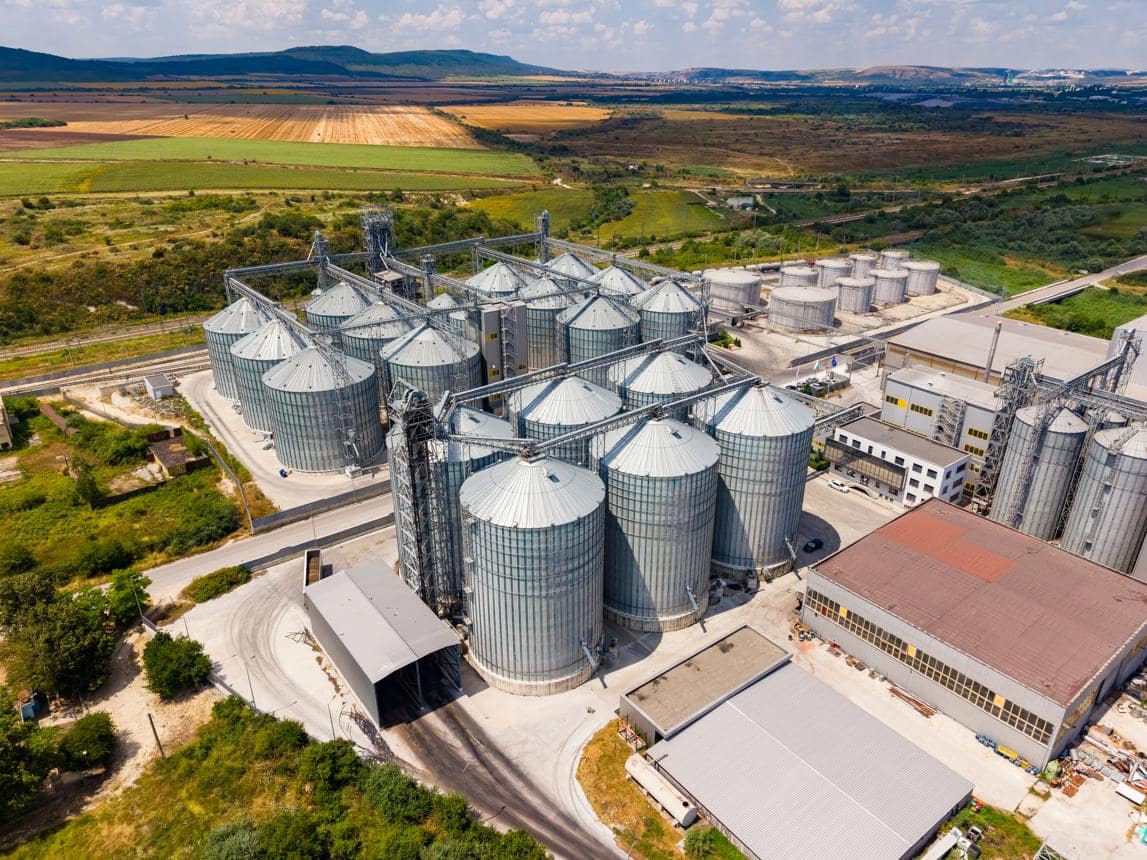
Under the compromise, member states may build strategic food stocks of agricultural products and inputs, but they face no general obligation to do so. Governments could set minimum stock targets expressed in days of consumption, and those targets could bind private operators. Stocks close to expiry could be resold or donated to food banks, which limits waste.
Storage of fuel, fertilisers, seeds or biostimulants would stay optional. Each member state could also set up a non-profit central stockholding entity to manage reserves on its behalf.
Supporters say strategic food stocks give governments a buffer against sudden disruptions, from war and export bans to extreme weather and animal disease. Critics warn that public reserves can distort markets if they are released at the wrong moment. The compromise tries to answer both camps by keeping strategic food stocks voluntary while giving capitals a common legal framework if they choose to build them.
MEPs agreed an EU coordination tool and gave it a new name, CeresEU. The acronym stands for a coordinated European response and early-warning system for food security in the EU. It would help capitals share information and act together when supply chains come under pressure.
The text also includes a form of “virtual storage”. In a crisis, national plans could temporarily suspend biofuel production that uses food crops, freeing those crops for human consumption. Operators would receive compensation for the lost output.
Price support forms another pillar of the deal on strategic food stocks and market tools. Intervention price thresholds would be set at no less than 80% of average full EU production costs. If prices collapse, the Commission would have two months to propose rebalancing measures.
The CMO would also widen its scope. Pulses, oilseeds, cotton, wool, cider and perry would come under the regulation, while vinegar is left for a separate political decision. The general THC limit for hemp would rise from 0.3%, the position of the Commission and the Council, to 0.5%, and hemp flowers would be covered explicitly.
The timetable now runs into 2027. Shadow rapporteurs will meet again on 2 December 2026. A vote on the related partnership plan file has slipped from December to January. The Agriculture Committee is due to vote on the Sargiacomo report and on Norbert Lins’s report on the 2028 to 2034 CAP on 27 and 28 January 2027.
Farm groups in France and elsewhere have pressed for more resilience after recent shocks to energy and fertiliser markets. If the committee backs the compromise, strategic food stocks would become a voluntary but structured part of EU farm policy, with CeresEU as the coordinating layer that links national reserves.