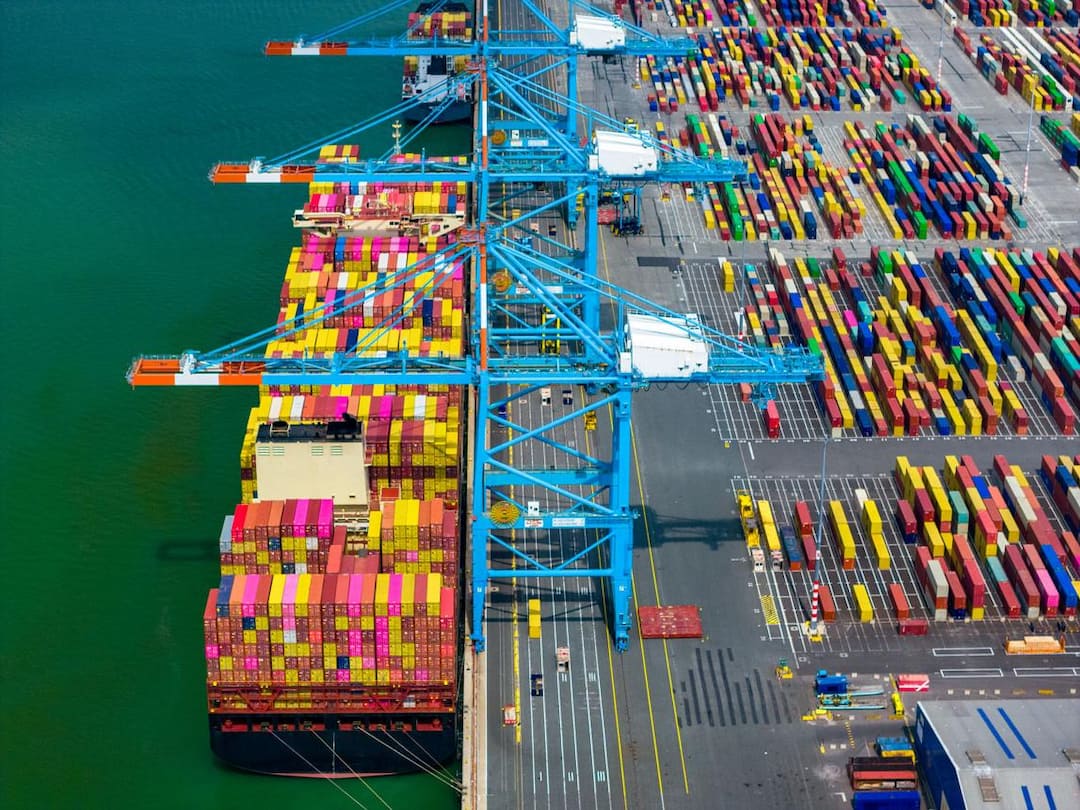
Zeebrugge: The Belgian port handles containers, cars and a growing stream of e-commerce parcels, and its brokers have spent two years hearing that customs is about to change completely. Publication of the new Union Customs Code now looks set for late September or early October, and almost nothing changes the day after.
The reform rewrites how the customs union operates, moving from a system built around declarations to one built around data. The Code enters into force the day after publication in the Official Journal. Most substantive provisions then wait twelve months, which puts real application around October 2027, and the central technology arrives later still.
That technology is the EU Customs Data Hub. E-commerce platforms gain access first, currently scheduled for July 2028, with a phased rollout pulling every category of goods into scope by 1 March 2034. The timetable depends on implementing acts nobody has drafted yet and on e-commerce functionality the Commission has not built.
Traders who want an early advantage face a new status. The Code creates the trust and check trader, which builds on the authorised economic operator scheme and then asks considerably more. Applicants must show a clean compliance record, internal controls, solvency and security standards, as an AEO does today. They must also open their electronic systems to customs authorities, supplying near real-time data on goods movements and compliance.
The rewards justify that intrusion for large operators. A trust and check trader can release goods itself, move non-Union goods without completing transit formalities, defer duty payment, post smaller guarantees and incur customs debt in its member state of establishment rather than wherever the goods happen to land.
Read the same list from a mid-sized freight forwarder’s desk and the reform looks different. Granting customs a live feed into an ERP system costs money and IT capability that smaller firms often lack. The status therefore risks sorting the market into a tier that self-clears and a tier that queues, concentrating flows in a handful of ports and a handful of intermediaries.
The e-commerce numbers explain the urgency. Parcels arriving under the old low-value regime overwhelmed authorities designed around container traffic, member states lost revenue, and non-EU sellers gained an advantage over European shops. The Code shifts liability towards platforms, which is where the goods and the data actually sit.
For Zeebrugge the practical timetable runs on paper until 2027 and on software until 2028. Brokers preparing clients for October will mostly be preparing them to wait.