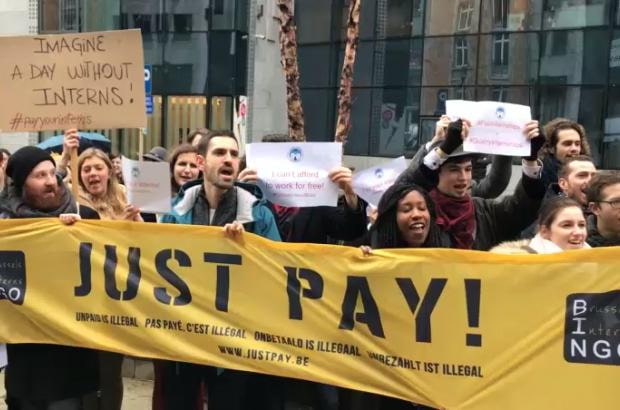
Porto: A graduate starting her third consecutive unpaid placement this month entered university after the Commission first proposed to protect her. The traineeships directive arrived in March 2024. Two and a half years later it has not passed, and the trade union confederations pressing for it now frame the coming months as the last realistic window.
The Commission proposal did something narrower than its supporters wanted and narrower than its critics claim. It does not ban unpaid internships. It targets a specific abuse: employers who label a regular job a traineeship, pay nothing or almost nothing for it, and extract ordinary work from someone with no employment rights.
The directive gives national labour inspectorates criteria for identifying those arrangements and gives trainees a route to challenge them. Pay itself sits in a parallel Council recommendation, which carries no sanctions and binds nobody.
That split is deliberate and it is why the file stalls. Remuneration falls under national competence in a way employment conditions do not, so the Commission put the enforceable material in the directive and the money in a text member states can ignore. Youth organisations called it half a step. Employer federations in several capitals still consider the enforceable half too much.
The legislative record shows Parliament moving faster than the Council here. MEPs adopted a position that strengthens the definition of a disguised employment relationship and shortens the maximum duration of a traineeship. Ministers have not matched it, and the file passed through three presidencies without a general approach.
Numbers explain why unions keep pushing. Europe runs roughly 3.7 million traineeships a year, and surveys put the unpaid share at half. In sectors that recruit almost exclusively through placements, unpaid access functions as a wealth filter. A student whose parents can cover six months of Lisbon or Milan rent competes for jobs a student without that support never sees advertised.
Some capitals moved without Brussels. Ireland, France and Greece each tightened national rules on placement duration or minimum allowances. Those reforms create a patchwork that a directive was supposed to level, and the patchwork now argues against harmonisation because ministers who already legislated see little to gain.
Autumn offers one procedural opening. Employment ministers meet in October, and a general approach agreed there would leave enough runway for trilogues before the mandate crowds up with budget files.
Whether anyone tables it remains the only question that matters, and nobody in Brussels is predicting that they will.