Split: Croatia’s record on urban waste water treatment has landed it in a fresh infringement case, after the European Commission found that 60 towns and cities with more than 10,000 inhabitants still fall short of rules the country signed up to when it joined the EU in 2013. The letter of formal notice, adopted in the Commission’s November 2026 infringements package on 19 November, gives Zagreb two months to respond.
The legal basis is Council Directive 91/271/EEC, the Urban Waste Water Treatment Directive, which has shaped sewage policy across Europe for more than three decades. Under Croatia’s Accession Treaty, the country negotiated transition periods running to 31 December 2018 and 2020 for its larger agglomerations. Those deadlines have now long passed, and the Commission says compliance has not followed.
The breakdown is stark. In 23 of the 60 agglomerations, waste water is not properly collected and treated at all. In the remaining 37, collection exists but treatment is not adequate. Forty of the agglomerations discharge into areas classified as sensitive, where the directive demands more stringent treatment to strip out nitrogen and phosphorus before effluent reaches rivers, lakes or the sea.
Those nutrients matter because they feed algal blooms and oxygen depletion, the process known as eutrophication. Along the Adriatic coast, where tourism depends on clean bathing water, poor urban waste water treatment is both an environmental and an economic risk. Inland, the Sava and Drava river basins carry pollution downstream into neighbouring states and, eventually, the Danube.
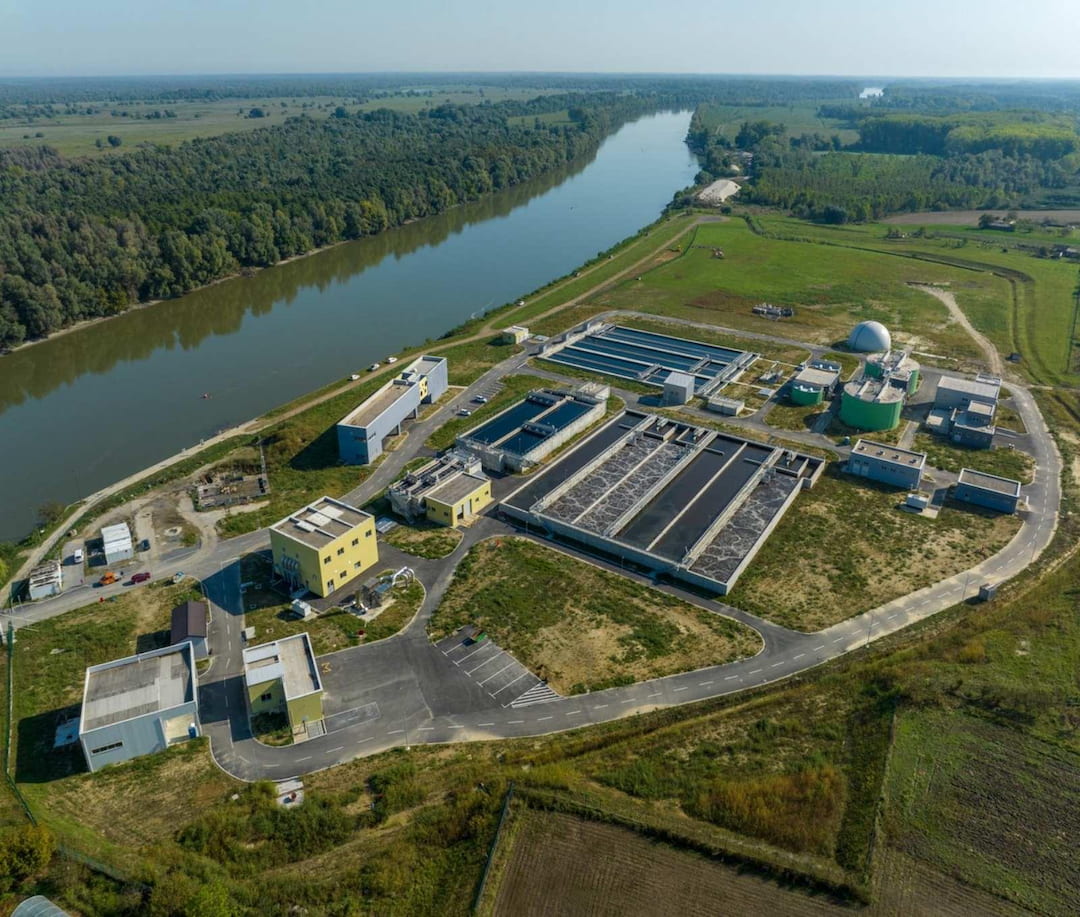
Croatia has not been idle. The country has drawn heavily on EU cohesion funding for water and sewage projects since accession, and several coastal cities have opened new treatment plants. Yet large infrastructure takes years to plan, tender and build, and the Commission’s assessment suggests investment in urban waste water treatment has not kept pace with the legal calendar agreed in 2011.
The case also arrives at a sensitive moment for the wider policy. The EU adopted a recast of the directive in 2024, which tightens nutrient removal standards, adds a fourth treatment stage for micropollutants in larger plants and introduces extended producer responsibility for pharmaceutical and cosmetics makers. States still struggling with the 1991 baseline face a steeper climb once those new obligations bite.
If Croatia’s reply fails to satisfy the Commission, the next step would be a reasoned opinion and, ultimately, a referral to the Court of Justice of the European Union. Other member states have learned that the Court can impose lump sums and daily penalties for long-running breaches of this directive, so the financial stakes are real.
For residents of the affected towns, the remedy is more concrete than any court case. New collection networks, upgraded plants and tertiary treatment for sensitive waters are what the law requires. The coming two months will show whether Zagreb can present a credible timetable to close the urban waste water treatment gap, or whether the dossier moves a step closer to Luxembourg.