September 16, 2026
LATEST
Europe’s Innovation Act Counts 10 Billion It Has Not Found YetProcurement Is the Chapter That Could Stall the Thailand DealMinisters Debate the Chips Act Next Week With No Money AttachedTaiwan Wants Tax Treaties That Brussels Has No Power to SignNorth Korea Now Earns From Europe Without Shipping AnythingPalm Oil Is the Last Hard Question Before the Indonesia SigningCan One Year Deliver Both a Trade Deal and a Sea CodeVietnam Reached Europe’s Top Partnership Tier With Little DetailA Ceuta Debate Whose Title Has Already Reached a VerdictFP10 Clears Committee and the Budget Gap Stays Wide OpenEurope’s New Merger Guidelines Face a Council Test Next WeekEurope’s Culture Capitals Face Their Biggest Rewrite Since 1985Only Italy Has a Bill as Platform Work Deadline NearsCustoms Fraud Charges Land in Germany Over Wrecked CarsCar Tariffs Show Why the India Deal Still Needs Two VotesA Committee Cleared the Swiss Package in Under Ten MinutesSpace Debris Is Growing Faster Than Europe Can Clear ItCan Cohesion Policy Pay for Results and Still Close GapsFour Capitals Met the Pay Transparency Deadline and 23 Did NotTrading Venues Are Waiting on a Verdict Over ESMA SupervisionEurope’s Innovation Act Counts 10 Billion It Has Not Found YetProcurement Is the Chapter That Could Stall the Thailand DealMinisters Debate the Chips Act Next Week With No Money AttachedTaiwan Wants Tax Treaties That Brussels Has No Power to SignNorth Korea Now Earns From Europe Without Shipping AnythingPalm Oil Is the Last Hard Question Before the Indonesia SigningCan One Year Deliver Both a Trade Deal and a Sea CodeVietnam Reached Europe’s Top Partnership Tier With Little DetailA Ceuta Debate Whose Title Has Already Reached a VerdictFP10 Clears Committee and the Budget Gap Stays Wide OpenEurope’s New Merger Guidelines Face a Council Test Next WeekEurope’s Culture Capitals Face Their Biggest Rewrite Since 1985Only Italy Has a Bill as Platform Work Deadline NearsCustoms Fraud Charges Land in Germany Over Wrecked CarsCar Tariffs Show Why the India Deal Still Needs Two VotesA Committee Cleared the Swiss Package in Under Ten MinutesSpace Debris Is Growing Faster Than Europe Can Clear ItCan Cohesion Policy Pay for Results and Still Close GapsFour Capitals Met the Pay Transparency Deadline and 23 Did NotTrading Venues Are Waiting on a Verdict Over ESMA Supervision
September 16, 2026
LATEST
Europe’s Innovation Act Counts 10 Billion It Has Not Found YetProcurement Is the Chapter That Could Stall the Thailand DealMinisters Debate the Chips Act Next Week With No Money AttachedTaiwan Wants Tax Treaties That Brussels Has No Power to SignNorth Korea Now Earns From Europe Without Shipping AnythingPalm Oil Is the Last Hard Question Before the Indonesia SigningCan One Year Deliver Both a Trade Deal and a Sea CodeVietnam Reached Europe’s Top Partnership Tier With Little DetailA Ceuta Debate Whose Title Has Already Reached a VerdictFP10 Clears Committee and the Budget Gap Stays Wide OpenEurope’s New Merger Guidelines Face a Council Test Next WeekEurope’s Culture Capitals Face Their Biggest Rewrite Since 1985Only Italy Has a Bill as Platform Work Deadline NearsCustoms Fraud Charges Land in Germany Over Wrecked CarsCar Tariffs Show Why the India Deal Still Needs Two VotesA Committee Cleared the Swiss Package in Under Ten MinutesSpace Debris Is Growing Faster Than Europe Can Clear ItCan Cohesion Policy Pay for Results and Still Close GapsFour Capitals Met the Pay Transparency Deadline and 23 Did NotTrading Venues Are Waiting on a Verdict Over ESMA SupervisionEurope’s Innovation Act Counts 10 Billion It Has Not Found YetProcurement Is the Chapter That Could Stall the Thailand DealMinisters Debate the Chips Act Next Week With No Money AttachedTaiwan Wants Tax Treaties That Brussels Has No Power to SignNorth Korea Now Earns From Europe Without Shipping AnythingPalm Oil Is the Last Hard Question Before the Indonesia SigningCan One Year Deliver Both a Trade Deal and a Sea CodeVietnam Reached Europe’s Top Partnership Tier With Little DetailA Ceuta Debate Whose Title Has Already Reached a VerdictFP10 Clears Committee and the Budget Gap Stays Wide OpenEurope’s New Merger Guidelines Face a Council Test Next WeekEurope’s Culture Capitals Face Their Biggest Rewrite Since 1985Only Italy Has a Bill as Platform Work Deadline NearsCustoms Fraud Charges Land in Germany Over Wrecked CarsCar Tariffs Show Why the India Deal Still Needs Two VotesA Committee Cleared the Swiss Package in Under Ten MinutesSpace Debris Is Growing Faster Than Europe Can Clear ItCan Cohesion Policy Pay for Results and Still Close GapsFour Capitals Met the Pay Transparency Deadline and 23 Did NotTrading Venues Are Waiting on a Verdict Over ESMA Supervision

When a Final Judgment Is Wrong the State May Have to Pay

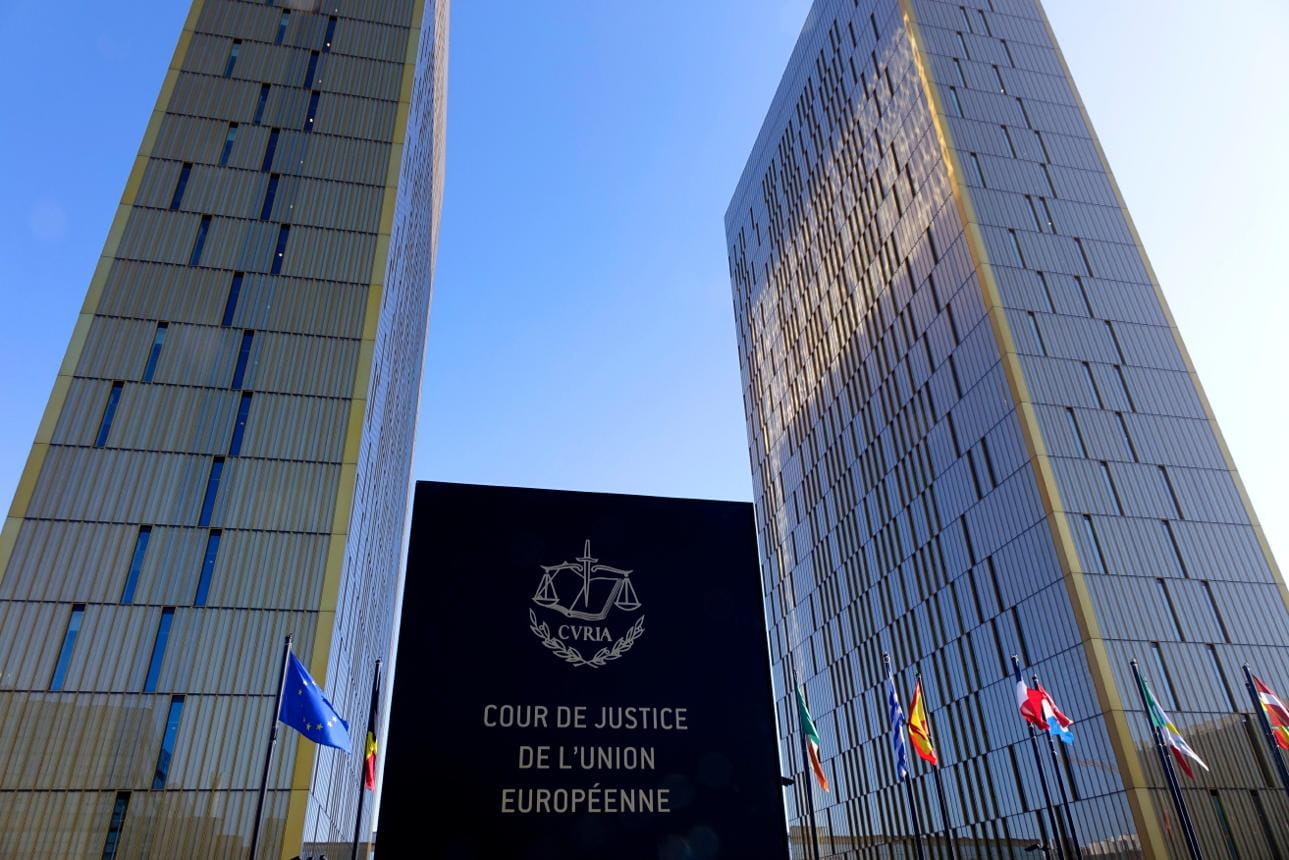
Bucharest: A farmer who lost an argument about agricultural subsidies two decades ago has now shaped the law on when a country must compensate someone for its own courts. The Court of Justice ruled on 8 September in two joined references, including a request from the Bucharest Court of Appeal, on the conditions under which a litigant may claim redress after a judicial decision that breaches European law.

The underlying dispute was small. Romania’s agriculture payments agency excluded the applicant from several 2007 support schemes, and he argued the exclusion followed mapping errors rather than any fault of his. A national court dismissed his damages claim in 2016. The question that travelled to Luxembourg was whether a court of last instance that misreads the Common Agricultural Policy, and declines to refer the point upward, can expose the state to liability.

That question has an established answer in outline. The Koebler judgment of 2003 established that a member state can be liable for the decisions of its highest courts, but it set the threshold high: the breach must be manifest. In practice national courts have applied that standard so strictly that successful claims remain rare, and academic commentary has long treated the doctrine as more symbolic than operative.

The September rulings matter because they address the second limb, the refusal to refer. A supreme court that decides a point of European law without sending it to Luxembourg is exercising a discretion the treaties constrain. Judges have wide latitude under the CILFIT criteria to conclude that the answer is obvious. Tying liability to the exercise of that latitude touches judicial independence directly, which is why the Court has moved slowly here for twenty years.

Governments dislike the doctrine for predictable reasons. Liability for judicial error means finance ministries pay for decisions their ministers cannot control, and a broad reading would invite every disappointed litigant to relitigate a lost case as a damages claim against the state. Courts of last instance would face a structural incentive to refer everything, which would swamp Luxembourg and slow national proceedings further.

The opposing case is equally concrete. Rights that exist only until a national supreme court misapplies them are weaker than the treaties promise, and the preliminary reference system depends on national judges using it. If refusing to refer carries no consequence whatever, the obligation reduces to a suggestion.

Practitioners will watch how Romanian and other national courts absorb the ruling over the coming year. Doctrine set in Luxembourg means little until a national judge applies it to a claim, and the honest measure of this judgment will be the first domestic case that succeeds under it rather than the reasoning itself. The Court publishes its judgments and press material through curia.europa.eu, and the Romanian reference has been analysed at length by EU Law Live.