
November 28, 2026
LATEST
Bulgaria Deficit Fine Puts the Euro’s Newest Member in FocusUkraine Loan Holdouts Push the €45bn Rescue to December TalksWinter Aid for Ukraine Grows as Sweden Commits SEK 240 MillionJürgen Ebner Confirmed as Europol Executive Director Until 2030Data Centre Agreements Stay Voluntary in a Leaked Commission DraftRomania Lynx Order Adds 66 Combat Vehicles to Its Rearmament DriveModi Brings the EU-India Free Trade Agreement to Brussels for SigningRegional EU Fruit Production Puts Andalucía First at €5.1bnEASA Funding Plea Sets 280 Certifiers Against FAA’s 1,400Simpler EU Taxonomy Screening Criteria Face MEP ScrutinyCombatting Homelessness Puts EU Housing Ministers Around One TableTextile End-of-Waste Criteria From the JRC Seek One EU Recycling RuleDeepfake Intimate Images Become a Banned AI Practice From DecemberSlimmer EU Space Act Heads to Trilogues After 72-1 MEP VoteDeep-Tech Grants of €30m Open to Western Balkans Start-upsDigital Booking Regulation Slips Past the Irish Council TermLille Board Meeting Sets the EU Customs Authority on Course for 2027Plastic Waste Exports to Non-OECD Nations Halt Under New EU RulesAustralia Horizon Europe Association Opens Pillar 2 Calls in 2027EU-UK Trade Reset Moves to Westminster as Partnerships Bill LandsBulgaria Deficit Fine Puts the Euro’s Newest Member in FocusUkraine Loan Holdouts Push the €45bn Rescue to December TalksWinter Aid for Ukraine Grows as Sweden Commits SEK 240 MillionJürgen Ebner Confirmed as Europol Executive Director Until 2030Data Centre Agreements Stay Voluntary in a Leaked Commission DraftRomania Lynx Order Adds 66 Combat Vehicles to Its Rearmament DriveModi Brings the EU-India Free Trade Agreement to Brussels for SigningRegional EU Fruit Production Puts Andalucía First at €5.1bnEASA Funding Plea Sets 280 Certifiers Against FAA’s 1,400Simpler EU Taxonomy Screening Criteria Face MEP ScrutinyCombatting Homelessness Puts EU Housing Ministers Around One TableTextile End-of-Waste Criteria From the JRC Seek One EU Recycling RuleDeepfake Intimate Images Become a Banned AI Practice From DecemberSlimmer EU Space Act Heads to Trilogues After 72-1 MEP VoteDeep-Tech Grants of €30m Open to Western Balkans Start-upsDigital Booking Regulation Slips Past the Irish Council TermLille Board Meeting Sets the EU Customs Authority on Course for 2027Plastic Waste Exports to Non-OECD Nations Halt Under New EU RulesAustralia Horizon Europe Association Opens Pillar 2 Calls in 2027EU-UK Trade Reset Moves to Westminster as Partnerships Bill Lands

EIB Investment Survey Finds Firms Spending but Slow to Adopt Ideas

The EIB Investment Survey for 2026 shows that European companies kept spending through a year of tariff shocks, high energy bills and rising borrowing costs. The European Investment Bank Group published the EU results on 9 November 2026, drawing on interviews with about 12,000 firms across the 27 member states and a comparison sample of 800 American companies. The headline picture is resilience, but the detail points to a structural weakness in how European firms absorb new technology.

What the EIB Investment Survey 2026 measures

The survey, known as EIBIS, has tracked corporate investment since 2016 and gives policymakers a rare firm-level view of the single market. This year 85% of EU firms reported investing during the previous financial year. Looking ahead, the share of firms planning to raise investment exceeds the share planning cuts by 8 percentage points, a positive balance despite weak demand in several large economies.

That optimism matters for the Commission’s competitiveness agenda. Private investment, not public budgets, must carry most of the green and digital transition, and the 2026 EIB Investment Survey suggests the corporate pipeline has not collapsed. The country-by-country breakdown arrives in December, and it will show whether the resilience extends beyond the core economies.

Energy transition gains outpace the United States

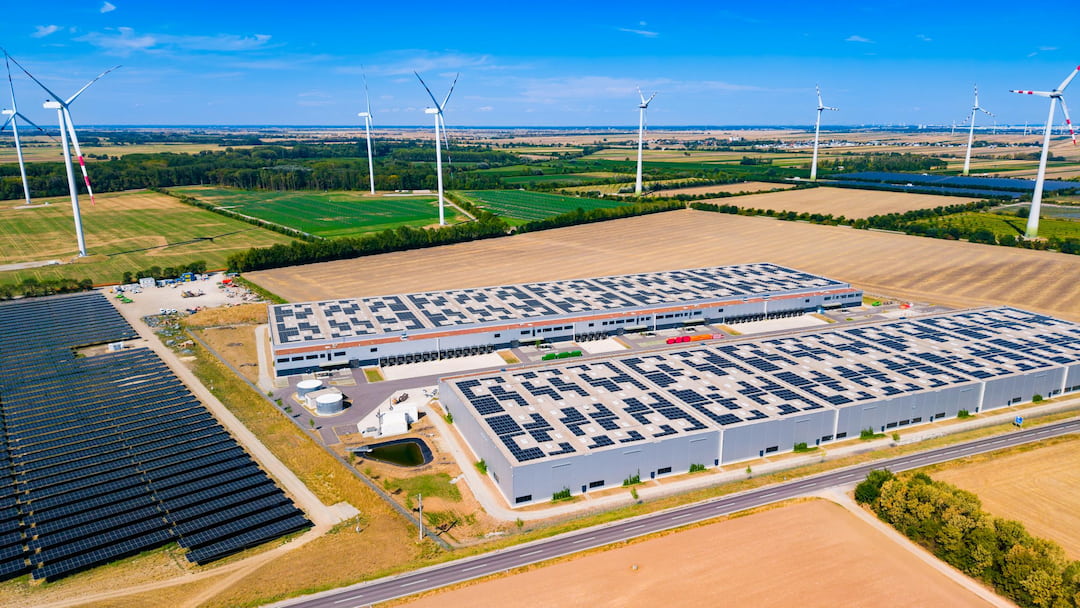
The clearest European success lies in energy. Some 53% of EU firms now use renewable energy, up from 37% in 2022, against only 24% of the American firms surveyed. According to the EIB Investment Survey, two-thirds of European companies, 67%, have invested in energy efficiency, compared with 57% four years ago.

These figures reflect the price shock of 2022 as much as climate ambition. Firms that faced punishing gas and power bills learned to cut consumption and secure their own supply. The investment now gives them a hedge against renewed volatility, which energy-intensive sectors still cite as a central concern.

Why European firms trail on innovation diffusion

The weaker result concerns diffusion rather than invention. Only 20% of EU firms introduced innovations that were new to the firm itself, against 44% of US firms. European companies match their American peers on innovations new to a country or the world, so the gap does not lie at the research frontier. It lies in copying, adapting and spreading proven technology across the wider economy.

Artificial intelligence follows the same pattern. About two-thirds of EU firms already use some form of AI, close to American levels, and a further 13% plan or evaluate generative AI within a year. Yet roughly 21% report concrete gains from generative tools so far, and European firms apply AI less often in marketing, sales and product development. Adoption looks broad but shallow.

The productivity link

Economists have long traced Europe’s productivity gap with the United States to slow technology diffusion among small and mid-sized firms. The Draghi report of 2024 made the same argument. The EIB Investment Survey now supplies fresh firm-level evidence that the problem persists, even as headline AI usage rises.

Economic security reshapes investment choices

Geopolitics has entered the boardroom. The EIB Investment Survey finds that 64% of EU firms are taking action against trade restrictions, cyberthreats and strategic dependencies. Among them, 41% adopt new technologies, about a third switch partners or suppliers, and the large majority invest in cyber defence.

This de-risking carries costs, but it also creates demand for European suppliers of security, software and logistics services. The policy challenge is to stop defensive spending from crowding out productive investment.

What happens next

The findings land as EU leaders argue over a smaller long-term budget and as the Commission pushes its savings and investments union. Faster permitting, stronger grids, deeper capital markets and harmonised rules would all help firms turn investment intentions into productivity gains.

The 2026 EIB Investment Survey therefore offers a mixed verdict. European firms invest, decarbonise and protect themselves, yet they spread new ideas too slowly. Closing that diffusion gap, rather than adding headline spending, will decide whether the next edition of the EIB Investment Survey records a genuine competitiveness turn.