Brussels: The provisional deal on free carbon allowances for energy-intensive industry gives European factories about €10 billion of extra emissions permits between 2026 and 2030. Negotiators from the European Parliament and the Council reached the agreement in mid-November 2026, and both institutions must now endorse it before formal adoption.
What the free carbon allowances deal contains
The agreement adds 121 million free carbon allowances to the Emissions Trading System over the 2026-2030 period. Negotiators reserved 5 million of those for specific energy-intensive sectors that face a high risk of carbon leakage. The total goes well beyond the Commission’s July proposal of 88 million additional allowances.
The Commission had aimed its plan at sectors covered by the heat and fuel benchmarks, which account for about a quarter of total free allocation. Chemicals, pulp and paper, food and beverages, ceramics and glass all fall within that group. The proposal also slowed the pace at which free allocation shrinks and extended it for several years.
Why co-legislators went beyond the Commission
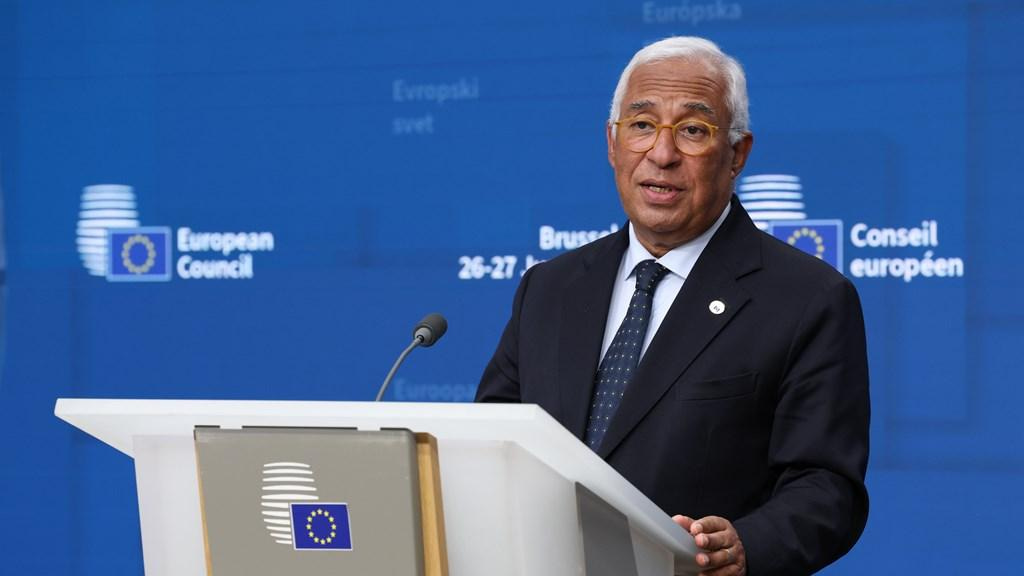
Lawmakers raised the number of free carbon allowances by 33 million, a 37.5% increase on the original text. That choice reflects mounting pressure from industry over energy costs and weak demand. Climate Commissioner Wopke Hoekstra welcomed the outcome, which suggests the Commission sees the deal as a price worth paying to keep production in Europe.
The politics are clear. Member states with large chemical and materials clusters want relief before plants close, and many MEPs share that fear. Generous free allocation buys time, but it also weakens the carbon price signal that the Emissions Trading System relies on.
Carbon leakage risk and the cost to the climate budget
Free allocation exists to stop firms moving production to countries with laxer climate rules. Critics argue the tool now rewards incumbents instead of driving investment in cleaner processes. Free carbon allowances also carry a fiscal cost, because each free permit is one the EU does not auction, which reduces revenue that governments would otherwise spend on decarbonisation and social support.
At roughly €10 billion, the foregone value equals a meaningful share of what member states could channel into industrial clean-tech programmes. The trade-off sharpens as the bloc debates its 2028-2034 budget and searches for new own resources.
Who gains most from the extra permits
Sectors under the heat and fuel benchmarks gain most, since they use processes that are hard to electrify quickly. Firms that already invested in efficiency may gain less, which raises fairness questions within each sector.
Benchmark-based allocation hands permits according to the performance of the cleanest installations in a sector. Plants that beat the benchmark keep a surplus they can sell, while laggards must buy the shortfall. A larger pool of free carbon allowances narrows that gap and softens the penalty for slow movers, which reduces the reward for early investment in electrified heat, heat pumps or hydrogen-ready furnaces.
What happens next
The Parliament plenary and the Council must still approve the text, and environmental groups will lobby against it. Even after adoption, the measure only runs to 2030, so the debate will return with the next ETS review. For now, free carbon allowances remain Europe’s main shield against carbon leakage, and this deal shows that Brussels will thicken that shield when industrial anxiety peaks.