Brussels: SAFE defence loans have reached the contract stage, with the Commission now able to sign loan agreements and release pre-financing to the countries whose investment plans the Council approved. The instrument offers up to €150 billion in long-maturity loans and forms the first pillar of the ReArm Europe and Readiness 2030 plan presented in March 2025.
How the SAFE defence loans work
SAFE stands for Security Action for Europe. The regulation entered into force on 29 May 2025, and the EU funds the loans by issuing bonds, so borrowers repay the money at terms the Commission secures on the market. Only member states can receive loans, which keeps the money tied to national defence budgets.
Nineteen national plans reached the Commission, and the Council approved funding for 18 member states between 11 February and 10 April 2026. Fifteen of the plans include projects with Ukraine, which shows how closely the programme links Europe’s own rearmament to support for Kyiv.
Why joint procurement is the real test
The key design choice is cooperation. Procurement generally needs at least two participating countries, although single-country purchases are allowed for a limited period. The aim of SAFE defence loans is to reduce the fragmentation that has left European armies operating many different systems for the same task.
A second rule targets industry. No more than 35% of the cost of components may come from outside the EU, Ukraine and the EEA/EFTA countries, which means most of the value must stay in Europe. SAFE defence loans therefore work as an industrial policy as much as a financing tool, and suppliers outside that circle will find it harder to win large orders.
Where the programme faces pressure
Category 2 projects, such as air and missile defence and maritime systems, face stricter eligibility conditions. These are also the areas where Europe depends most on a handful of suppliers, so the rules could slow deals that governments want quickly. Capitals that want fast deliveries must balance that urgency against the buy-European requirement.
Third-country access adds another layer. Ukraine and EEA/EFTA countries can join common procurements on equal terms, and an agreement with Canada was concluded in June 2026. Yet only member states receive the loans, so partners can shape what is bought without drawing on the money.
What the numbers say about the 2026 timetable
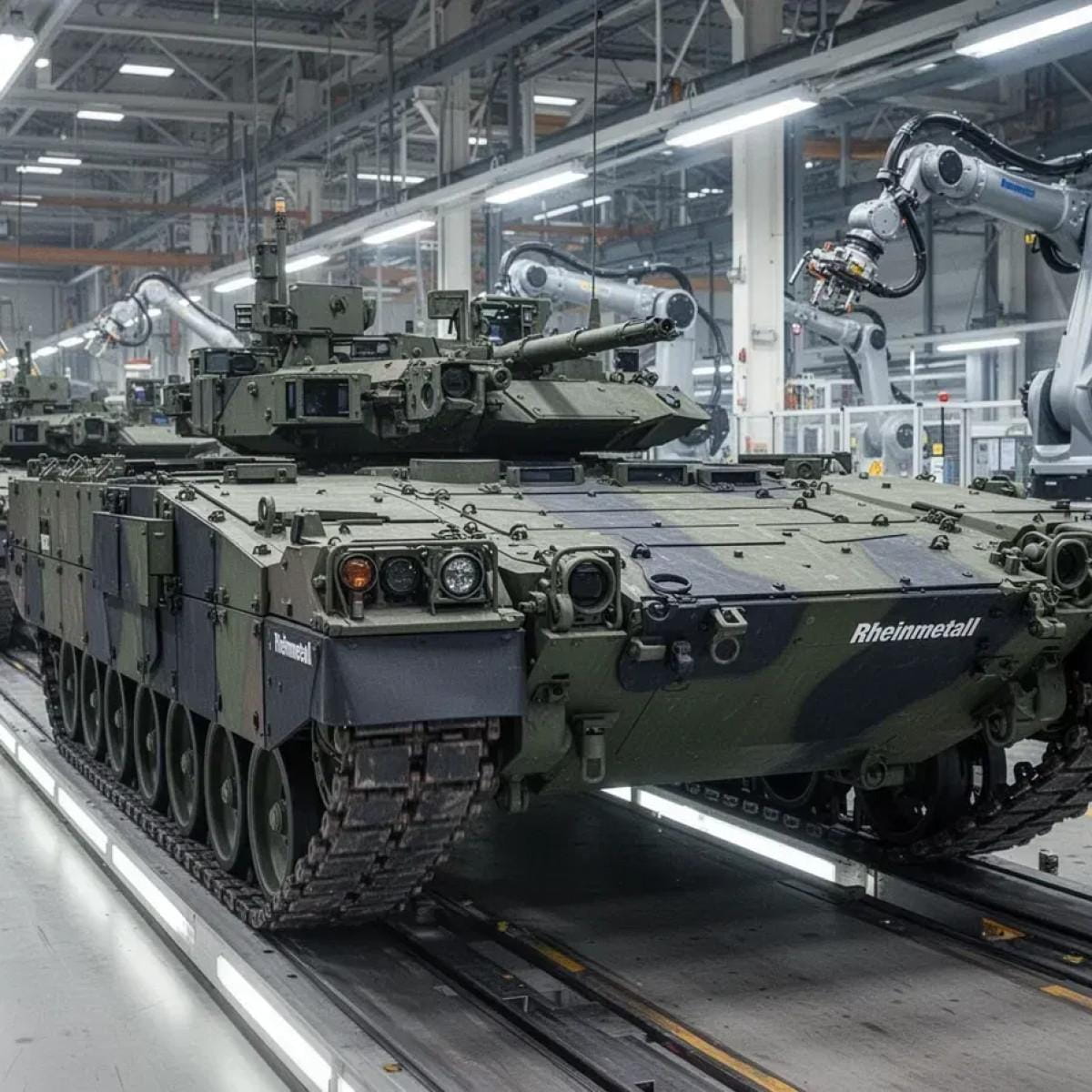
Approval of 18 plans for SAFE defence loans in a little over two months shows that the process moved faster than most Brussels programmes. The slower stage is delivery: contracts must be negotiated, production lines scaled up, and equipment tested before it reaches units. Defence ministers know that a loan agreement is not a delivered tank, drone or air defence battery.
What happens next
The coming months will reveal whether SAFE defence loans produce truly joint purchases or national orders with a European label. Watch the first signed loan agreements, the size of the pre-financing payments and the share of contracts that involve two or more countries. If those numbers look healthy, the Union will have built a repeatable model for common defence spending; if they do not, the €150 billion headline will hide a fragmented market.