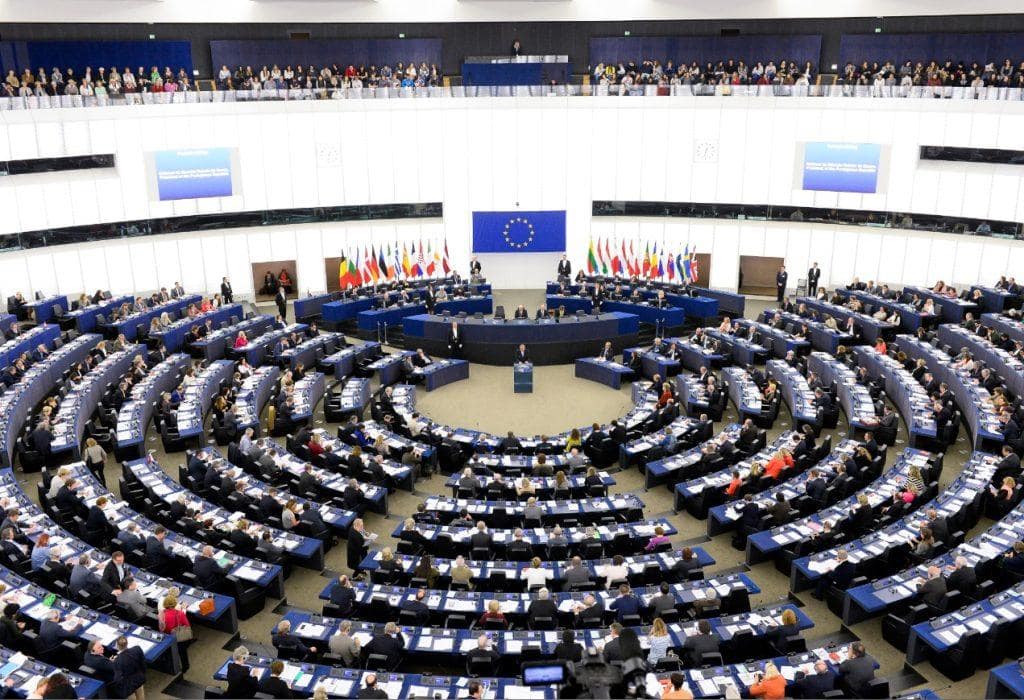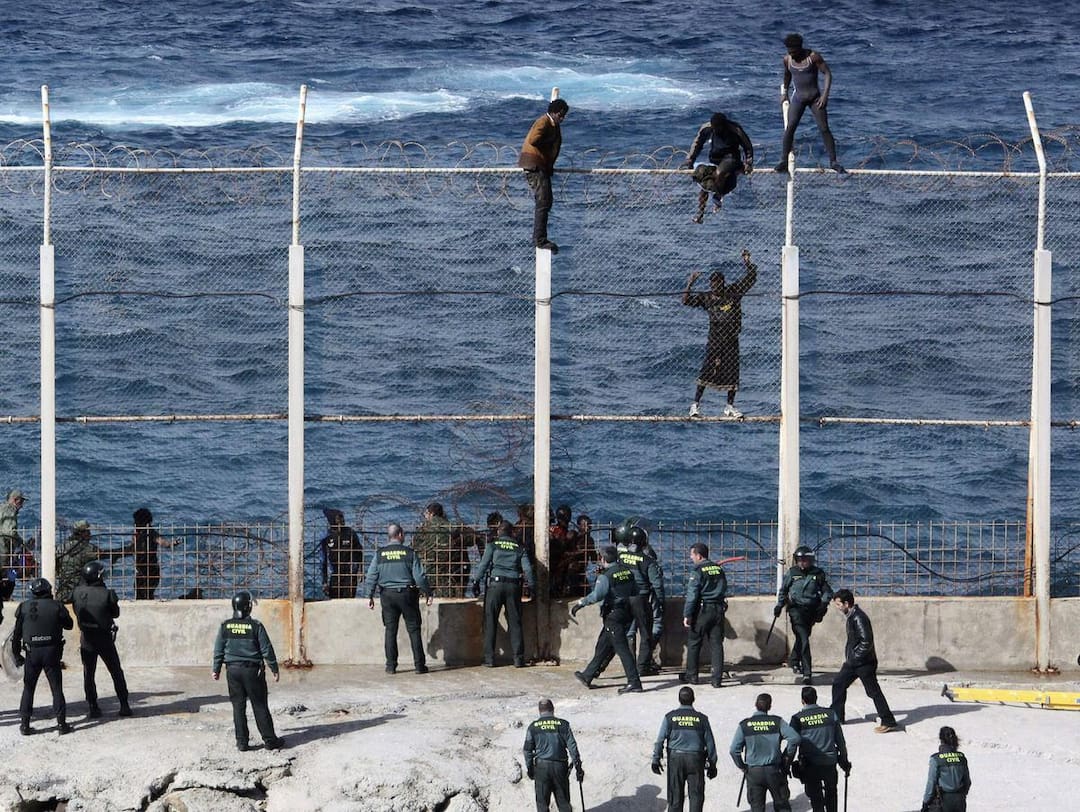
Ceuta: Mass entries into this Spanish enclave on 30 and 31 July 2026 will sit in the background when EU leaders debate irregular border crossings at their summit in Brussels on 15 and 16 October. The draft conclusions, dated 5 October, welcome the lowest level of irregular border crossings since 2021 and also express solidarity with Spain after what they call a sudden mass influx into Ceuta. Spanish authorities say tens of thousands of people entered from Morocco over two days.
The draft migration section runs from paragraph 54 to 60 and asks for work on every strand of policy on irregular border crossings. It calls for external partnerships with origin and transit countries, a whole-of-route approach, action against smuggling and better returns. It also suggests that diplomacy, development, trade and visa policy serve as leverage on countries that do not cooperate on readmission. A bracketed line points to a recent letter from Commission President Ursula von der Leyen.
The headline numbers support the first claim. Preliminary data from Frontex show irregular border crossings into the EU down 37 percent this year compared with 2025, with the Central Mediterranean down 55 percent and the Western African route down 60 percent. The Western Mediterranean, which includes the Spanish routes, is the only major route that rose, by 37 percent. The Ceuta arrivals were not part of those figures.
The Commission announced €114.7 million in emergency assistance for Spain on 9 September 2026. The money pays for thermal cameras, floating buoy barriers, underwater drones, extra staff, screening facilities, reception places for unaccompanied minors and the return of people who stay without a right to do so. Frontex has said it can extend its operational plans in Spain into 2027, and a joint group of the Commission, EU agencies and Spanish authorities meets regularly.
Politics in the enclave remain tense. Ceuta’s president, Juan Jesús Vivas, has accused Morocco of a policy of harassment and asked for a special status for Ceuta and Melilla in EU migration rules, plus a permanent presence of Frontex and the EU asylum agency. Madrid and the Commission still describe Rabat as a trusted partner, and the EU funds Morocco’s migration management strategy with €160 million through 2027.
That split frames the leaders’ task. Some governments want to use visa and trade leverage against countries that block returns, while others warn that pressure on Rabat could end cooperation that keeps irregular border crossings low in the Western Mediterranean. The draft also asks for better situational awareness, including social media monitoring, and condemns the instrumentalisation of migrants.
The Council’s forward look shows the General Affairs Council meeting in Luxembourg on 13 October to prepare the text. Bracketed passages on possible Commission initiatives suggest that new proposals on returns or crisis response may follow the summit. The Migration Pact has applied since June 2026, so leaders will judge it against a live test.
Expect the final conclusions to claim success on falling irregular border crossings while promising more pressure on returns. The Ceuta crisis shows how one weekend can change that picture, and leaders will have to decide whether the lowest numbers since 2021 are a trend or a pause.