August 7, 2026
LATEST
New Zealand Trade With Europe Hits a Record in Its First YearEurope Locks Chinese Medical Devices Out of Its Public TendersHow Far Can Europe and Japan Take Their New Security Pact NowSeoul’s Gamble on Europe’s Research Money Is Starting to Pay OffEurope Freezes Its Retaliatory Tariffs on the US IndefinitelyAir Passenger Rights Get Their First Big Rewrite in 20 YearsFive Joint Defence Projects Win Brussels Backing and Shared CashTobacco Tax Overhaul Stalls as Governments Block UnanimityCritical Medicines Act Heads for Final Adoption This AutumnMoldova Accession Reaches Its Foreign-Policy ChapterMercosur Tariffs Fall as Europe’s Farmers Watch the GaugesWhy Europe’s Digital Fairness Act Worries Online RetailersErasmus+ Faces a Budget Fight Before Its 2028 RelaunchMedia Freedom Rules Turn One as Enforcement LagsPlatform Work Rules Push Member States Toward a December ReckoningSingle Ticket Plan Would Let One Booking Cover Europe by RailHungary Races an August Deadline to Unlock Its Recovery FundsCapitals Race a September Deadline to Restore NatureEuro-Zone Inflation Nudges Back Up as Energy Bills ClimbRed Bull Case Tests a New Frontier in EU AntitrustNew Zealand Trade With Europe Hits a Record in Its First YearEurope Locks Chinese Medical Devices Out of Its Public TendersHow Far Can Europe and Japan Take Their New Security Pact NowSeoul’s Gamble on Europe’s Research Money Is Starting to Pay OffEurope Freezes Its Retaliatory Tariffs on the US IndefinitelyAir Passenger Rights Get Their First Big Rewrite in 20 YearsFive Joint Defence Projects Win Brussels Backing and Shared CashTobacco Tax Overhaul Stalls as Governments Block UnanimityCritical Medicines Act Heads for Final Adoption This AutumnMoldova Accession Reaches Its Foreign-Policy ChapterMercosur Tariffs Fall as Europe’s Farmers Watch the GaugesWhy Europe’s Digital Fairness Act Worries Online RetailersErasmus+ Faces a Budget Fight Before Its 2028 RelaunchMedia Freedom Rules Turn One as Enforcement LagsPlatform Work Rules Push Member States Toward a December ReckoningSingle Ticket Plan Would Let One Booking Cover Europe by RailHungary Races an August Deadline to Unlock Its Recovery FundsCapitals Race a September Deadline to Restore NatureEuro-Zone Inflation Nudges Back Up as Energy Bills ClimbRed Bull Case Tests a New Frontier in EU Antitrust
August 7, 2026
LATEST
New Zealand Trade With Europe Hits a Record in Its First YearEurope Locks Chinese Medical Devices Out of Its Public TendersHow Far Can Europe and Japan Take Their New Security Pact NowSeoul’s Gamble on Europe’s Research Money Is Starting to Pay OffEurope Freezes Its Retaliatory Tariffs on the US IndefinitelyAir Passenger Rights Get Their First Big Rewrite in 20 YearsFive Joint Defence Projects Win Brussels Backing and Shared CashTobacco Tax Overhaul Stalls as Governments Block UnanimityCritical Medicines Act Heads for Final Adoption This AutumnMoldova Accession Reaches Its Foreign-Policy ChapterMercosur Tariffs Fall as Europe’s Farmers Watch the GaugesWhy Europe’s Digital Fairness Act Worries Online RetailersErasmus+ Faces a Budget Fight Before Its 2028 RelaunchMedia Freedom Rules Turn One as Enforcement LagsPlatform Work Rules Push Member States Toward a December ReckoningSingle Ticket Plan Would Let One Booking Cover Europe by RailHungary Races an August Deadline to Unlock Its Recovery FundsCapitals Race a September Deadline to Restore NatureEuro-Zone Inflation Nudges Back Up as Energy Bills ClimbRed Bull Case Tests a New Frontier in EU AntitrustNew Zealand Trade With Europe Hits a Record in Its First YearEurope Locks Chinese Medical Devices Out of Its Public TendersHow Far Can Europe and Japan Take Their New Security Pact NowSeoul’s Gamble on Europe’s Research Money Is Starting to Pay OffEurope Freezes Its Retaliatory Tariffs on the US IndefinitelyAir Passenger Rights Get Their First Big Rewrite in 20 YearsFive Joint Defence Projects Win Brussels Backing and Shared CashTobacco Tax Overhaul Stalls as Governments Block UnanimityCritical Medicines Act Heads for Final Adoption This AutumnMoldova Accession Reaches Its Foreign-Policy ChapterMercosur Tariffs Fall as Europe’s Farmers Watch the GaugesWhy Europe’s Digital Fairness Act Worries Online RetailersErasmus+ Faces a Budget Fight Before Its 2028 RelaunchMedia Freedom Rules Turn One as Enforcement LagsPlatform Work Rules Push Member States Toward a December ReckoningSingle Ticket Plan Would Let One Booking Cover Europe by RailHungary Races an August Deadline to Unlock Its Recovery FundsCapitals Race a September Deadline to Restore NatureEuro-Zone Inflation Nudges Back Up as Energy Bills ClimbRed Bull Case Tests a New Frontier in EU Antitrust

Europe Still Waits for China to Ease Its Rare-Earth Grip

Beijing: China has loosened its hold on the minerals that Europe’s factories cannot do without, but nobody in Brussels is treating the reprieve as anything more than borrowed time.

The immediate cause for relief is a suspension. China has paused the sweeping rare-earth export controls it unveiled in October, holding them in abeyance for a year until November 2026 as part of a wider de-escalation between Washington and Beijing. For European manufacturers who spent the winter watching prices spike and licences stall, the pause removes a knife from the table. It does not remove the hand that held it.

Rare earths are the quiet ingredient in almost everything Europe wants to build this decade. They magnetise the motors in electric cars, steer the turbines in offshore wind farms and sharpen the guidance systems in the weapons the continent is now rearming with. A European Parliament analysis of the earlier controls found approval rates for European firms running below a quarter, with prices leaping several times over. When one country processes the overwhelming share of these materials, its export desk becomes a lever on another continent’s industry.

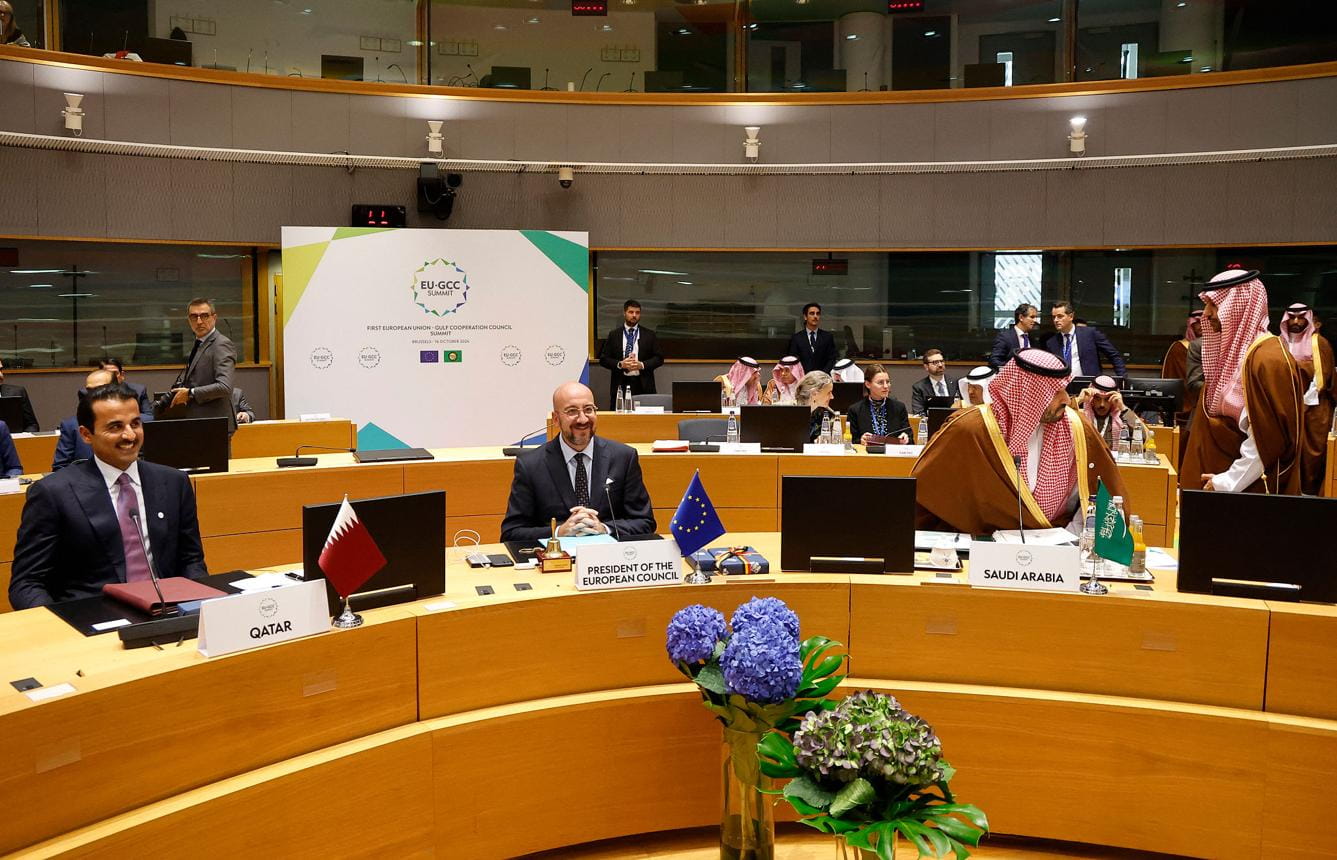
Brussels has responded with a mix of diplomacy and quiet alarm. After a summit earlier this year, the two sides agreed to build an upgraded supply-chain mechanism meant to catch bottlenecks before they harden into shortages. The idea is sound, yet it rests on Chinese goodwill that can evaporate the moment a trade dispute or a Taiwan crisis raises the temperature. A mechanism that depends on the party applying the pressure is a fragile shield.

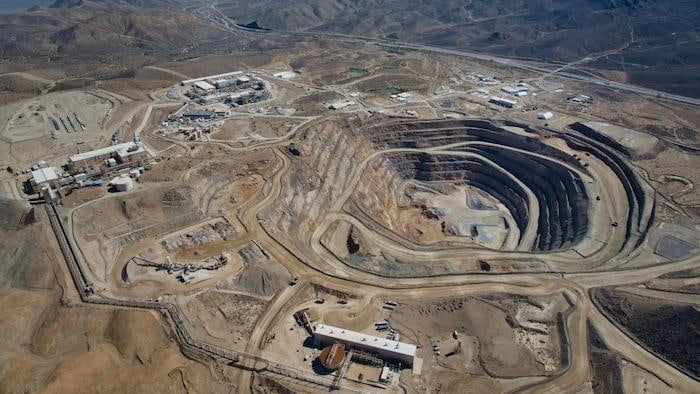
The deeper problem is time. Europe has announced the right ambitions, from recycling magnets to reopening mines and funding processing plants that avoid Chinese hands. None of these arrive quickly. A mine takes the better part of a decade to permit and open, and a processing industry cannot be conjured in the eighteen months before the suspension lapses. The window China has granted is precisely the interval in which Europe must prove it can build an alternative, and the calendar is unforgiving.

There is a temptation to read the pause as normalisation, a sign that trade has calmed and attention can move elsewhere. That reading is dangerous. The controls were suspended, not repealed, and the machinery to reimpose them sits ready. Every month spent treating the reprieve as a resolution is a month not spent digging, recycling or stockpiling.

Europe’s task is therefore unglamorous and urgent at once. It must use the calm to reduce the dependence that made the storm possible, knowing the next squeeze may come with less warning. The rare-earth question is no longer a commodity story. It has become the clearest test of whether the continent’s talk of economic security can survive contact with a supplier that holds the better cards.