August 7, 2026
LATEST
New Zealand Trade With Europe Hits a Record in Its First YearEurope Locks Chinese Medical Devices Out of Its Public TendersHow Far Can Europe and Japan Take Their New Security Pact NowSeoul’s Gamble on Europe’s Research Money Is Starting to Pay OffEurope Freezes Its Retaliatory Tariffs on the US IndefinitelyAir Passenger Rights Get Their First Big Rewrite in 20 YearsFive Joint Defence Projects Win Brussels Backing and Shared CashTobacco Tax Overhaul Stalls as Governments Block UnanimityCritical Medicines Act Heads for Final Adoption This AutumnMoldova Accession Reaches Its Foreign-Policy ChapterMercosur Tariffs Fall as Europe’s Farmers Watch the GaugesWhy Europe’s Digital Fairness Act Worries Online RetailersErasmus+ Faces a Budget Fight Before Its 2028 RelaunchMedia Freedom Rules Turn One as Enforcement LagsPlatform Work Rules Push Member States Toward a December ReckoningSingle Ticket Plan Would Let One Booking Cover Europe by RailHungary Races an August Deadline to Unlock Its Recovery FundsCapitals Race a September Deadline to Restore NatureEuro-Zone Inflation Nudges Back Up as Energy Bills ClimbRed Bull Case Tests a New Frontier in EU AntitrustNew Zealand Trade With Europe Hits a Record in Its First YearEurope Locks Chinese Medical Devices Out of Its Public TendersHow Far Can Europe and Japan Take Their New Security Pact NowSeoul’s Gamble on Europe’s Research Money Is Starting to Pay OffEurope Freezes Its Retaliatory Tariffs on the US IndefinitelyAir Passenger Rights Get Their First Big Rewrite in 20 YearsFive Joint Defence Projects Win Brussels Backing and Shared CashTobacco Tax Overhaul Stalls as Governments Block UnanimityCritical Medicines Act Heads for Final Adoption This AutumnMoldova Accession Reaches Its Foreign-Policy ChapterMercosur Tariffs Fall as Europe’s Farmers Watch the GaugesWhy Europe’s Digital Fairness Act Worries Online RetailersErasmus+ Faces a Budget Fight Before Its 2028 RelaunchMedia Freedom Rules Turn One as Enforcement LagsPlatform Work Rules Push Member States Toward a December ReckoningSingle Ticket Plan Would Let One Booking Cover Europe by RailHungary Races an August Deadline to Unlock Its Recovery FundsCapitals Race a September Deadline to Restore NatureEuro-Zone Inflation Nudges Back Up as Energy Bills ClimbRed Bull Case Tests a New Frontier in EU Antitrust
August 7, 2026
LATEST
New Zealand Trade With Europe Hits a Record in Its First YearEurope Locks Chinese Medical Devices Out of Its Public TendersHow Far Can Europe and Japan Take Their New Security Pact NowSeoul’s Gamble on Europe’s Research Money Is Starting to Pay OffEurope Freezes Its Retaliatory Tariffs on the US IndefinitelyAir Passenger Rights Get Their First Big Rewrite in 20 YearsFive Joint Defence Projects Win Brussels Backing and Shared CashTobacco Tax Overhaul Stalls as Governments Block UnanimityCritical Medicines Act Heads for Final Adoption This AutumnMoldova Accession Reaches Its Foreign-Policy ChapterMercosur Tariffs Fall as Europe’s Farmers Watch the GaugesWhy Europe’s Digital Fairness Act Worries Online RetailersErasmus+ Faces a Budget Fight Before Its 2028 RelaunchMedia Freedom Rules Turn One as Enforcement LagsPlatform Work Rules Push Member States Toward a December ReckoningSingle Ticket Plan Would Let One Booking Cover Europe by RailHungary Races an August Deadline to Unlock Its Recovery FundsCapitals Race a September Deadline to Restore NatureEuro-Zone Inflation Nudges Back Up as Energy Bills ClimbRed Bull Case Tests a New Frontier in EU AntitrustNew Zealand Trade With Europe Hits a Record in Its First YearEurope Locks Chinese Medical Devices Out of Its Public TendersHow Far Can Europe and Japan Take Their New Security Pact NowSeoul’s Gamble on Europe’s Research Money Is Starting to Pay OffEurope Freezes Its Retaliatory Tariffs on the US IndefinitelyAir Passenger Rights Get Their First Big Rewrite in 20 YearsFive Joint Defence Projects Win Brussels Backing and Shared CashTobacco Tax Overhaul Stalls as Governments Block UnanimityCritical Medicines Act Heads for Final Adoption This AutumnMoldova Accession Reaches Its Foreign-Policy ChapterMercosur Tariffs Fall as Europe’s Farmers Watch the GaugesWhy Europe’s Digital Fairness Act Worries Online RetailersErasmus+ Faces a Budget Fight Before Its 2028 RelaunchMedia Freedom Rules Turn One as Enforcement LagsPlatform Work Rules Push Member States Toward a December ReckoningSingle Ticket Plan Would Let One Booking Cover Europe by RailHungary Races an August Deadline to Unlock Its Recovery FundsCapitals Race a September Deadline to Restore NatureEuro-Zone Inflation Nudges Back Up as Energy Bills ClimbRed Bull Case Tests a New Frontier in EU Antitrust

Cohesion Funds Shift 34.6 Billion Euro to Defence and Housing

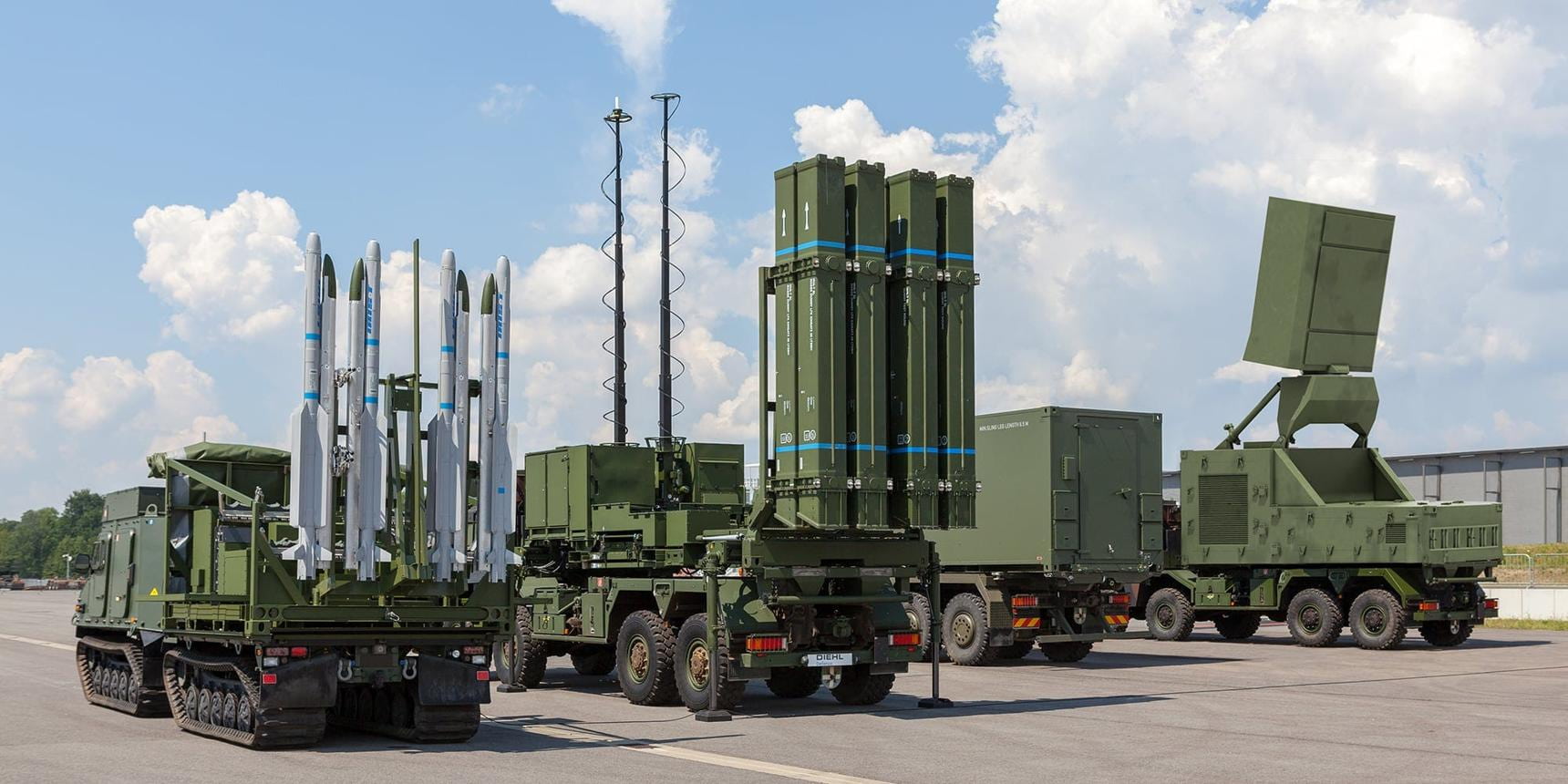
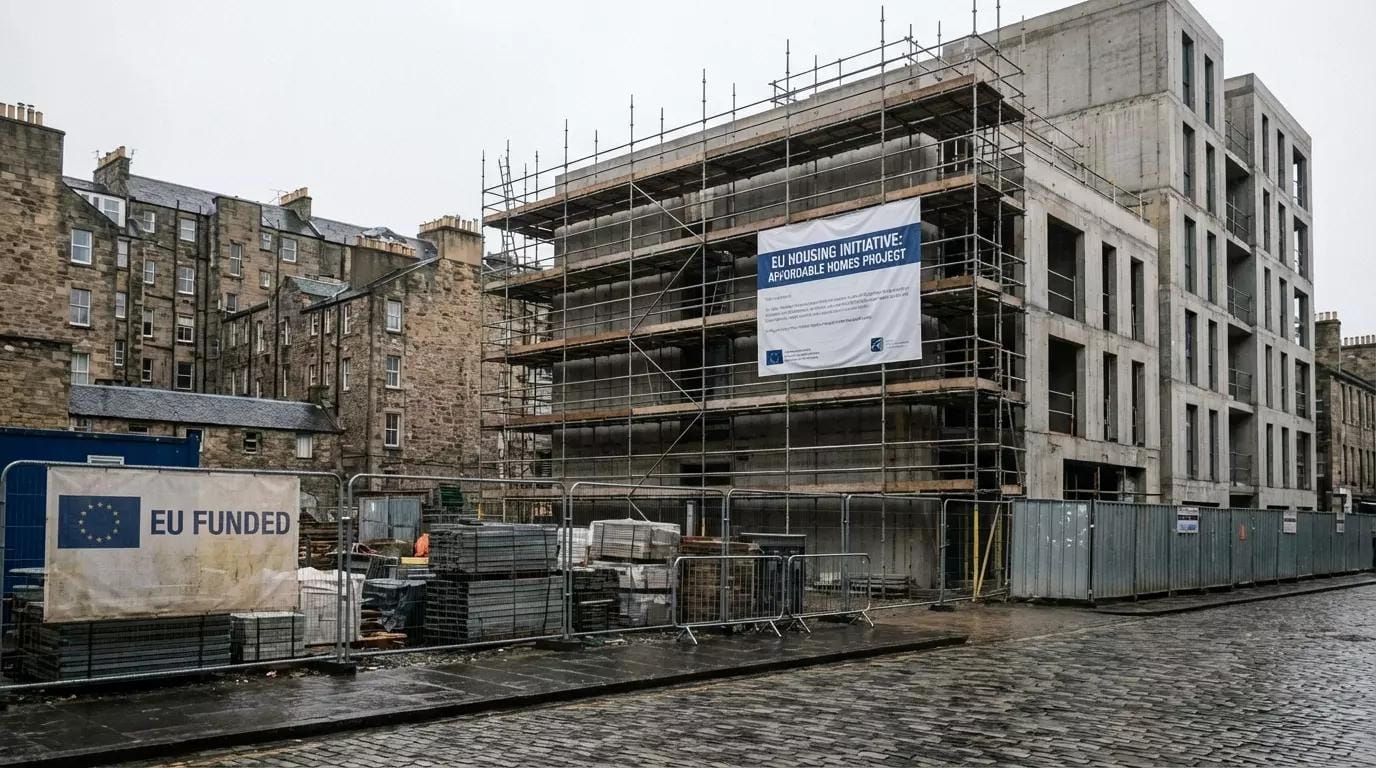
Brussels: Europe’s cohesion funds are being pointed at a new set of priorities, with the Commission and member states redirecting 34.6 billion euro toward defence, critical technologies, affordable housing, water security and clean energy. The reallocation marks the sharpest repositioning of the bloc’s regional policy in years and signals how geopolitics is reshaping where development money flows.

The shift stems from the mid-term review of cohesion policy, which the Commission opened in April 2025 and the Council finalised in law that September. The overhaul unlocked a flexibility reserve worth roughly half of all cohesion allocations for 2026 and 2027, letting national authorities move billions without waiting for the next long-term budget.

Regional development ministers had lobbied hard for that freedom. Facing an eastern border under military pressure, a housing crunch in major cities and recurring droughts, they argued that rules written before the war in Ukraine no longer matched conditions on the ground. Brussels agreed, adding defence and security to the list of goals cohesion money can now fund.

The revised rulebook gives special weight to eastern border regions, to social and affordable housing, to sustainable water management and to the decarbonisation of local energy systems. Cities, long junior partners in regional policy, gain a larger claim on the funds as the Commission ties cohesion more tightly to competitiveness.

Supporters call the pivot overdue. They note that idle allocations helped no one while member states struggled to co-finance projects, and that channelling money into strategic sectors keeps the policy politically relevant as budget hawks question its size. The Commission has cast the move as proof that cohesion can adapt without abandoning its core mission.

That mission is where the unease lies. Cohesion policy exists to narrow the gap between rich and poor regions, and some mayors and MEPs warn that steering funds toward defence and technology risks starving the poorer areas the money was designed to lift. They fear a wealthy, well-connected region will capture strategic projects that a struggling one cannot.

The Commission insists the two aims coexist, because much of the redirected spending lands in the very border and rural regions that need investment most. Whether that holds will depend on how national managing authorities write their revised programmes over the coming months.

The debate also foreshadows a bigger fight. Negotiations over the 2028 to 2034 budget will decide whether cohesion keeps its own dedicated envelope or folds into national plans, and the mid-term review offers each side ammunition. Officials laid out the reasoning in the Council’s statement on the new laws, while the Commission published the detailed results of the review earlier this year.