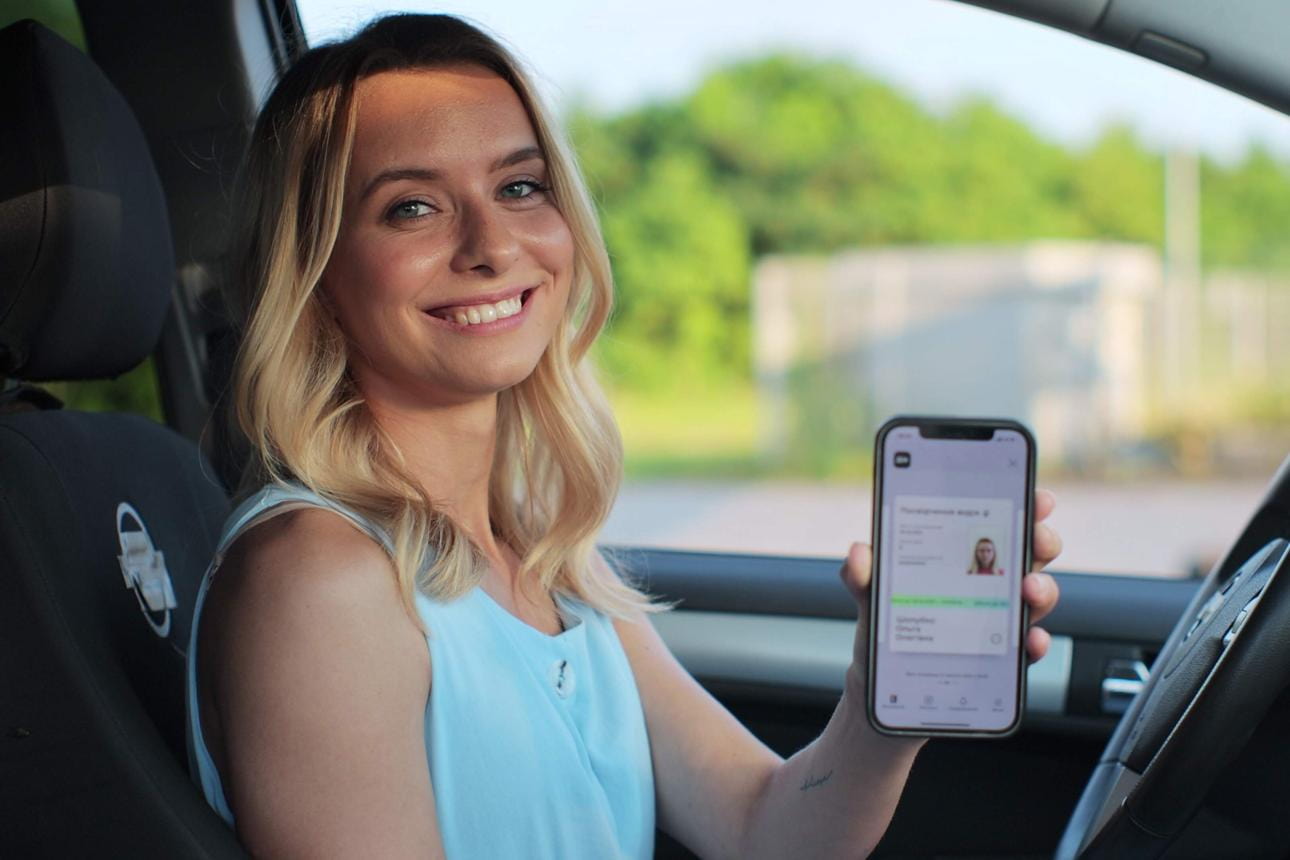
Madrid: The plastic card tucked into millions of wallets is heading for retirement. Europe’s incoming digital licence will live inside a smartphone, carried in the EU Digital Identity Wallet, and the European Commission has just set out how member states are meant to turn that promise into working reality.
The blueprint published at the end of July fleshes out two laws agreed last year, Directive 2025/2205 on driving licences and its companion on cross-border disqualifications. Together they rewrite rules that had drifted out of step with how people actually move around the continent, and they hand governments a timetable rather than a vague aspiration.
A phone-based permit sits at the heart of the reform. Drivers will still be able to request a physical card, but the default is shifting toward a credential that updates over the air and cannot be left on a kitchen table before a long trip. Commission officials frame the change as convenience layered on top of security, since a digital record is harder to forge than laminated plastic.
The rules reach well beyond format. Novice drivers face a probationary period with tougher penalties for drinking or skipping seatbelts, and several countries will let teenagers begin accompanied driving at seventeen to build road time under supervision. Medical checks and licence renewals gain common reference points so that a permit issued in one capital carries the same meaning in another.
Enforcement gets sharper teeth. Until now a driver banned in one country could often slip back behind the wheel across the border, the sanction evaporating at the frontier. The disqualification directive closes that gap by obliging authorities to share serious penalties, so a reckless-driving ban handed down abroad follows the offender home.
National governments now carry the heavy lifting. They have until the end of the decade to weave the digital permit into their own systems, connect to the shared wallet and retrain the agencies that issue and check licences. The Commission’s implementation strategy spells out the milestones and warns that a full rollout stretches to 2030.
Motoring groups broadly welcome the direction while pressing for safeguards. They want assurance that a dead battery or a patchy signal will never strand a lawful driver, and that offline verification stays available at every roadside stop. Privacy campaigners, meanwhile, watch how much journey data the wallet might quietly accumulate.
The prize, its architects argue, is a single mobility document that travels as freely as the people who hold it, cutting paperwork for the roughly three million residents who move between member states each year and stitching one more thread into the fabric of everyday European life.