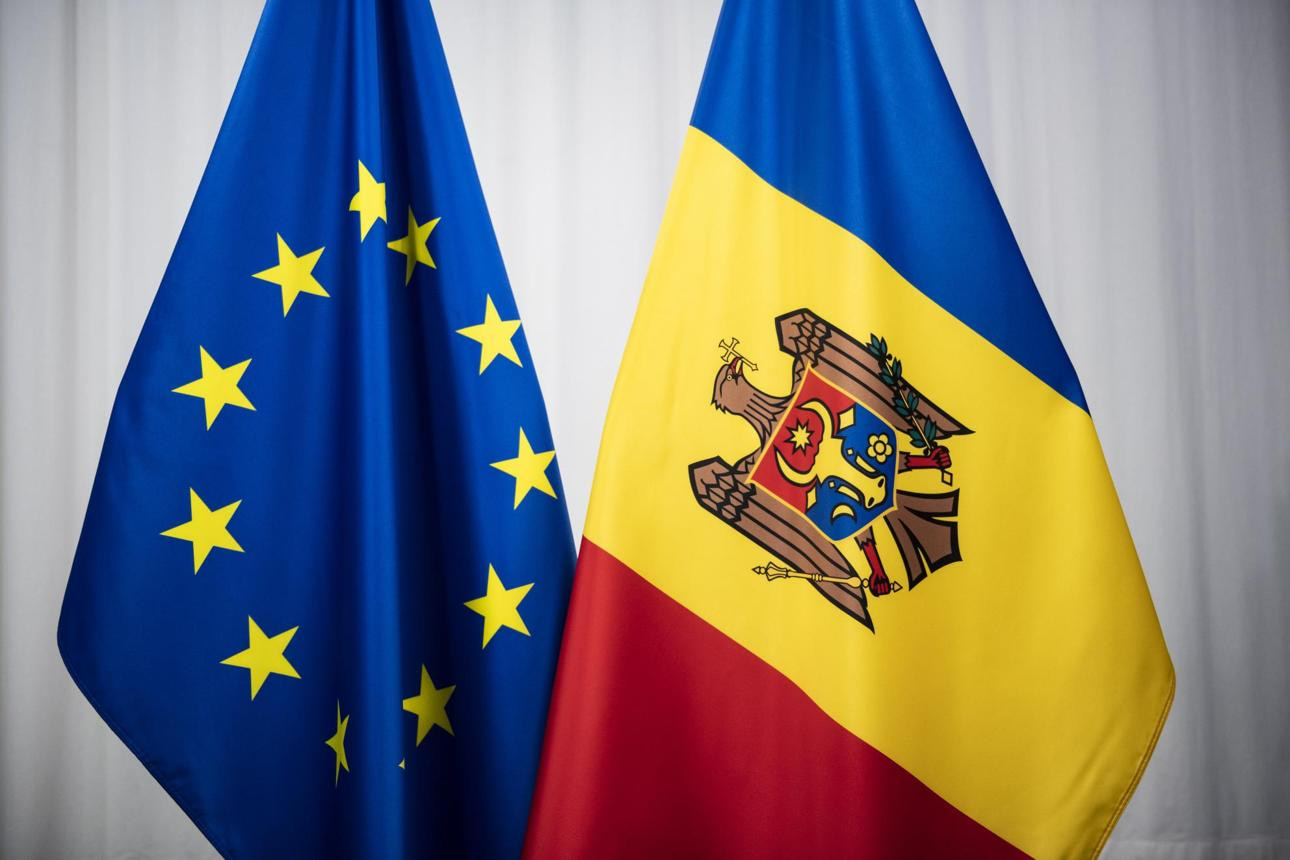
Chișinău: The Moldova accession file crossed a quiet but consequential line on 14 July, when negotiators opened Cluster 6, the chapter that ties a candidate’s foreign, trade and defence choices to the European Union’s own external posture.
Ministers gave the green light at a General Affairs Council in Brussels, and the third accession conference formalised the step the same day. For Chișinău, the move matters far beyond the technical text. It signals that the bloc now trusts a small, exposed neighbour to align itself with European sanctions, embargoes and joint positions.
Cluster 6 covers the EU’s common commercial policy, humanitarian aid and development cooperation. In practice, Moldova commits to mirror the Union’s trade rules and to back its foreign-policy declarations, from Russia sanctions to votes at the United Nations. A country that Moscow has tried to destabilise through energy cut-offs and disinformation is choosing, chapter by chapter, to fold itself into Brussels.
The timing carries political weight. Chișinău opened Cluster 1 on fundamental values in Luxembourg on 15 June, then reached Cluster 6 barely a month later. That pace outstrips almost every recent candidate, and it hands the government a tangible answer to voters who ask what European integration actually delivers.
Brussels has its own reasons to move quickly. A Moldova anchored in the Union closes a gap on the bloc’s eastern flank and denies the Kremlin a frozen buffer to exploit. The Council framed the opening as proof that merit, not geography, now drives enlargement.
Yet aligning external policy is harder than signing a communiqué. Moldova still trades heavily with partners the Union sanctions, and its energy supply remains tangled with Russian and Transnistrian interests. Each future embargo Brussels adopts will test whether Chișinău can absorb the cost without cracking its fragile coalition.
Sceptics warn that opening clusters is the easy part. Closing them demands laws, courts and border agencies that meet European standards, and Moldova’s institutions remain thin. The Union has learned from earlier rounds that speed without capacity breeds backsliding, and it will watch the reform record as closely as the diplomacy.
There is also a strategic bet inside the accession machinery. By pulling Moldova into its trade and sanctions architecture now, the Union locks in a foreign-policy partner before any future government can drift back toward Moscow. Enlargement, in this reading, is less a reward than a security instrument.
For now, the direction is set and the momentum is real. Whether Chișinău can turn opened chapters into closed ones will decide if this summer marks a turning point or another hopeful pause on a long road to Brussels.