September 16, 2026
LATEST
Cage-Free Promises Land Before the Transport File Is FinishedTwo New Calls Will Test How Flexible Horizon Europe Really IsEurope’s Innovation Act Counts 10 Billion It Has Not Found YetProcurement Is the Chapter That Could Stall the Thailand DealMobility Week Returns With a Test of Intergenerational FairnessMinisters Debate the Chips Act Next Week With No Money AttachedTaiwan Wants Tax Treaties That Brussels Has No Power to SignNorth Korea Now Earns From Europe Without Shipping AnythingPalm Oil Is the Last Hard Question Before the Indonesia SigningCan One Year Deliver Both a Trade Deal and a Sea CodeVietnam Reached Europe’s Top Partnership Tier With Little DetailLeaked Draft Puts Europe’s Social Media Age Limit at FifteenFP10 Clears Committee and the Budget Gap Stays Wide OpenA Ceuta Debate Whose Title Has Already Reached a VerdictEurope’s New Merger Guidelines Face a Council Test Next WeekEurope’s Culture Capitals Face Their Biggest Rewrite Since 1985Only Italy Has a Bill as Platform Work Deadline NearsCustoms Fraud Charges Land in Germany Over Wrecked CarsCar Tariffs Show Why the India Deal Still Needs Two VotesA Committee Cleared the Swiss Package in Under Ten MinutesCage-Free Promises Land Before the Transport File Is FinishedTwo New Calls Will Test How Flexible Horizon Europe Really IsEurope’s Innovation Act Counts 10 Billion It Has Not Found YetProcurement Is the Chapter That Could Stall the Thailand DealMobility Week Returns With a Test of Intergenerational FairnessMinisters Debate the Chips Act Next Week With No Money AttachedTaiwan Wants Tax Treaties That Brussels Has No Power to SignNorth Korea Now Earns From Europe Without Shipping AnythingPalm Oil Is the Last Hard Question Before the Indonesia SigningCan One Year Deliver Both a Trade Deal and a Sea CodeVietnam Reached Europe’s Top Partnership Tier With Little DetailLeaked Draft Puts Europe’s Social Media Age Limit at FifteenFP10 Clears Committee and the Budget Gap Stays Wide OpenA Ceuta Debate Whose Title Has Already Reached a VerdictEurope’s New Merger Guidelines Face a Council Test Next WeekEurope’s Culture Capitals Face Their Biggest Rewrite Since 1985Only Italy Has a Bill as Platform Work Deadline NearsCustoms Fraud Charges Land in Germany Over Wrecked CarsCar Tariffs Show Why the India Deal Still Needs Two VotesA Committee Cleared the Swiss Package in Under Ten Minutes
September 16, 2026
LATEST
Cage-Free Promises Land Before the Transport File Is FinishedTwo New Calls Will Test How Flexible Horizon Europe Really IsEurope’s Innovation Act Counts 10 Billion It Has Not Found YetProcurement Is the Chapter That Could Stall the Thailand DealMobility Week Returns With a Test of Intergenerational FairnessMinisters Debate the Chips Act Next Week With No Money AttachedTaiwan Wants Tax Treaties That Brussels Has No Power to SignNorth Korea Now Earns From Europe Without Shipping AnythingPalm Oil Is the Last Hard Question Before the Indonesia SigningCan One Year Deliver Both a Trade Deal and a Sea CodeVietnam Reached Europe’s Top Partnership Tier With Little DetailLeaked Draft Puts Europe’s Social Media Age Limit at FifteenFP10 Clears Committee and the Budget Gap Stays Wide OpenA Ceuta Debate Whose Title Has Already Reached a VerdictEurope’s New Merger Guidelines Face a Council Test Next WeekEurope’s Culture Capitals Face Their Biggest Rewrite Since 1985Only Italy Has a Bill as Platform Work Deadline NearsCustoms Fraud Charges Land in Germany Over Wrecked CarsCar Tariffs Show Why the India Deal Still Needs Two VotesA Committee Cleared the Swiss Package in Under Ten MinutesCage-Free Promises Land Before the Transport File Is FinishedTwo New Calls Will Test How Flexible Horizon Europe Really IsEurope’s Innovation Act Counts 10 Billion It Has Not Found YetProcurement Is the Chapter That Could Stall the Thailand DealMobility Week Returns With a Test of Intergenerational FairnessMinisters Debate the Chips Act Next Week With No Money AttachedTaiwan Wants Tax Treaties That Brussels Has No Power to SignNorth Korea Now Earns From Europe Without Shipping AnythingPalm Oil Is the Last Hard Question Before the Indonesia SigningCan One Year Deliver Both a Trade Deal and a Sea CodeVietnam Reached Europe’s Top Partnership Tier With Little DetailLeaked Draft Puts Europe’s Social Media Age Limit at FifteenFP10 Clears Committee and the Budget Gap Stays Wide OpenA Ceuta Debate Whose Title Has Already Reached a VerdictEurope’s New Merger Guidelines Face a Council Test Next WeekEurope’s Culture Capitals Face Their Biggest Rewrite Since 1985Only Italy Has a Bill as Platform Work Deadline NearsCustoms Fraud Charges Land in Germany Over Wrecked CarsCar Tariffs Show Why the India Deal Still Needs Two VotesA Committee Cleared the Swiss Package in Under Ten Minutes

Culture Gets a Strategy, a Dialogue, and Not Much of a Budget

Chemnitz: The Saxon city spent its year as European Capital of Culture arguing that culture does economic work, and that claim is now official Union doctrine. The Culture Compass for Europe, adopted last November, makes it the organising idea. The first structured dialogue with the sector happens this year.

The Compass replaces the New European Agenda for Culture that had guided policy since 2018, and it reaches wider than its predecessor. Commissioner Glenn Micallef presented it alongside Executive Vice-President Roxana Minzatu, a pairing that signals the framing: culture as a matter of skills, social rights and competitiveness rather than a portfolio sitting quietly beside them.

Four commitments carry most of the weight. The document defends artistic freedom and cultural rights, promises wider access to culture, addresses working conditions in the creative sectors, and ties heritage to cohesion and to Europe’s economic position. It also promises a State of Culture report and a European data centre for the sector by 2027.

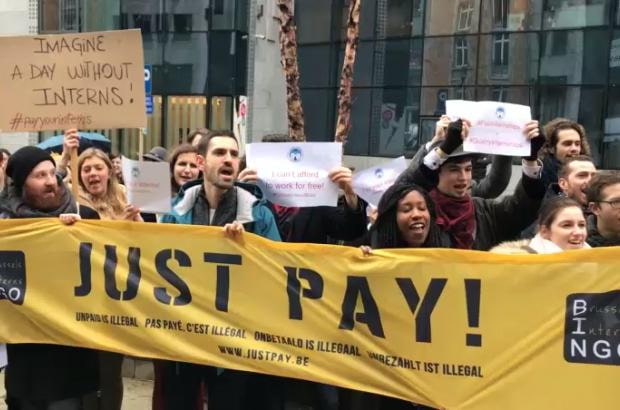
Fair working conditions is where the sector will test the text. Artists across the Union work through short contracts, unpaid rehearsal periods and cross-border engagements that scramble social security entitlements. Parliament has pushed for years for a framework addressing this. The Compass names the problem without proposing a legal instrument. A strategic framework can convene, coordinate and measure. It cannot create a portable pension for a freelance cellist.

The competitiveness framing cuts both ways, and cultural organisations noticed. Arguing that culture contributes to growth wins arguments in finance ministries and in budget negotiations. It also invites the follow-up question about which cultural activity contributes least, and Europe has historically answered that question badly. Defenders reply that the Compass protects artistic freedom and diversity explicitly, precisely to guard against instrumentalisation.

Regions and cities read the document as an invitation. Cultural competence sits mostly with member states and their regions under the treaties, so a Union framework works through funding, data and peer pressure rather than legislation. That makes this year’s structured dialogue genuinely consequential, since what the sector puts into it will shape the next Creative Europe budget.

Education sits awkwardly alongside all this. The Compass touches cultural participation and skills, while the European Education Area agenda runs on its own timetable with its own targets, and the two rarely meet in national ministries where culture and schooling report to different desks. Coordination promised at Union level tends to stop at the point where domestic administrative boundaries begin.

Money is the missing chapter. The Compass arrives while the multiannual financial framework remains contested and while several capitals cut national cultural spending. Europe will judge a framework this ambitious in 2027 against a single number, and the strategic framework does not yet contain it.