September 16, 2026
LATEST
Software Makers Face Europe’s Product Liability Deadline in DecemberCage-Free Promises Land Before the Transport File Is FinishedTwo New Calls Will Test How Flexible Horizon Europe Really IsEurope’s Innovation Act Counts 10 Billion It Has Not Found YetProcurement Is the Chapter That Could Stall the Thailand DealMobility Week Returns With a Test of Intergenerational FairnessMinisters Debate the Chips Act Next Week With No Money AttachedTaiwan Wants Tax Treaties That Brussels Has No Power to SignNorth Korea Now Earns From Europe Without Shipping AnythingPalm Oil Is the Last Hard Question Before the Indonesia SigningCan One Year Deliver Both a Trade Deal and a Sea CodeVietnam Reached Europe’s Top Partnership Tier With Little DetailLeaked Draft Puts Europe’s Social Media Age Limit at FifteenA Ceuta Debate Whose Title Has Already Reached a VerdictFP10 Clears Committee and the Budget Gap Stays Wide OpenEurope’s New Merger Guidelines Face a Council Test Next WeekEurope’s Culture Capitals Face Their Biggest Rewrite Since 1985Only Italy Has a Bill as Platform Work Deadline NearsCustoms Fraud Charges Land in Germany Over Wrecked CarsCar Tariffs Show Why the India Deal Still Needs Two VotesSoftware Makers Face Europe’s Product Liability Deadline in DecemberCage-Free Promises Land Before the Transport File Is FinishedTwo New Calls Will Test How Flexible Horizon Europe Really IsEurope’s Innovation Act Counts 10 Billion It Has Not Found YetProcurement Is the Chapter That Could Stall the Thailand DealMobility Week Returns With a Test of Intergenerational FairnessMinisters Debate the Chips Act Next Week With No Money AttachedTaiwan Wants Tax Treaties That Brussels Has No Power to SignNorth Korea Now Earns From Europe Without Shipping AnythingPalm Oil Is the Last Hard Question Before the Indonesia SigningCan One Year Deliver Both a Trade Deal and a Sea CodeVietnam Reached Europe’s Top Partnership Tier With Little DetailLeaked Draft Puts Europe’s Social Media Age Limit at FifteenA Ceuta Debate Whose Title Has Already Reached a VerdictFP10 Clears Committee and the Budget Gap Stays Wide OpenEurope’s New Merger Guidelines Face a Council Test Next WeekEurope’s Culture Capitals Face Their Biggest Rewrite Since 1985Only Italy Has a Bill as Platform Work Deadline NearsCustoms Fraud Charges Land in Germany Over Wrecked CarsCar Tariffs Show Why the India Deal Still Needs Two Votes
September 16, 2026
LATEST
Software Makers Face Europe’s Product Liability Deadline in DecemberCage-Free Promises Land Before the Transport File Is FinishedTwo New Calls Will Test How Flexible Horizon Europe Really IsEurope’s Innovation Act Counts 10 Billion It Has Not Found YetProcurement Is the Chapter That Could Stall the Thailand DealMobility Week Returns With a Test of Intergenerational FairnessMinisters Debate the Chips Act Next Week With No Money AttachedTaiwan Wants Tax Treaties That Brussels Has No Power to SignNorth Korea Now Earns From Europe Without Shipping AnythingPalm Oil Is the Last Hard Question Before the Indonesia SigningCan One Year Deliver Both a Trade Deal and a Sea CodeVietnam Reached Europe’s Top Partnership Tier With Little DetailLeaked Draft Puts Europe’s Social Media Age Limit at FifteenA Ceuta Debate Whose Title Has Already Reached a VerdictFP10 Clears Committee and the Budget Gap Stays Wide OpenEurope’s New Merger Guidelines Face a Council Test Next WeekEurope’s Culture Capitals Face Their Biggest Rewrite Since 1985Only Italy Has a Bill as Platform Work Deadline NearsCustoms Fraud Charges Land in Germany Over Wrecked CarsCar Tariffs Show Why the India Deal Still Needs Two VotesSoftware Makers Face Europe’s Product Liability Deadline in DecemberCage-Free Promises Land Before the Transport File Is FinishedTwo New Calls Will Test How Flexible Horizon Europe Really IsEurope’s Innovation Act Counts 10 Billion It Has Not Found YetProcurement Is the Chapter That Could Stall the Thailand DealMobility Week Returns With a Test of Intergenerational FairnessMinisters Debate the Chips Act Next Week With No Money AttachedTaiwan Wants Tax Treaties That Brussels Has No Power to SignNorth Korea Now Earns From Europe Without Shipping AnythingPalm Oil Is the Last Hard Question Before the Indonesia SigningCan One Year Deliver Both a Trade Deal and a Sea CodeVietnam Reached Europe’s Top Partnership Tier With Little DetailLeaked Draft Puts Europe’s Social Media Age Limit at FifteenA Ceuta Debate Whose Title Has Already Reached a VerdictFP10 Clears Committee and the Budget Gap Stays Wide OpenEurope’s New Merger Guidelines Face a Council Test Next WeekEurope’s Culture Capitals Face Their Biggest Rewrite Since 1985Only Italy Has a Bill as Platform Work Deadline NearsCustoms Fraud Charges Land in Germany Over Wrecked CarsCar Tariffs Show Why the India Deal Still Needs Two Votes

Catch Certificates Went Digital and Small Boats Got a Reprieve

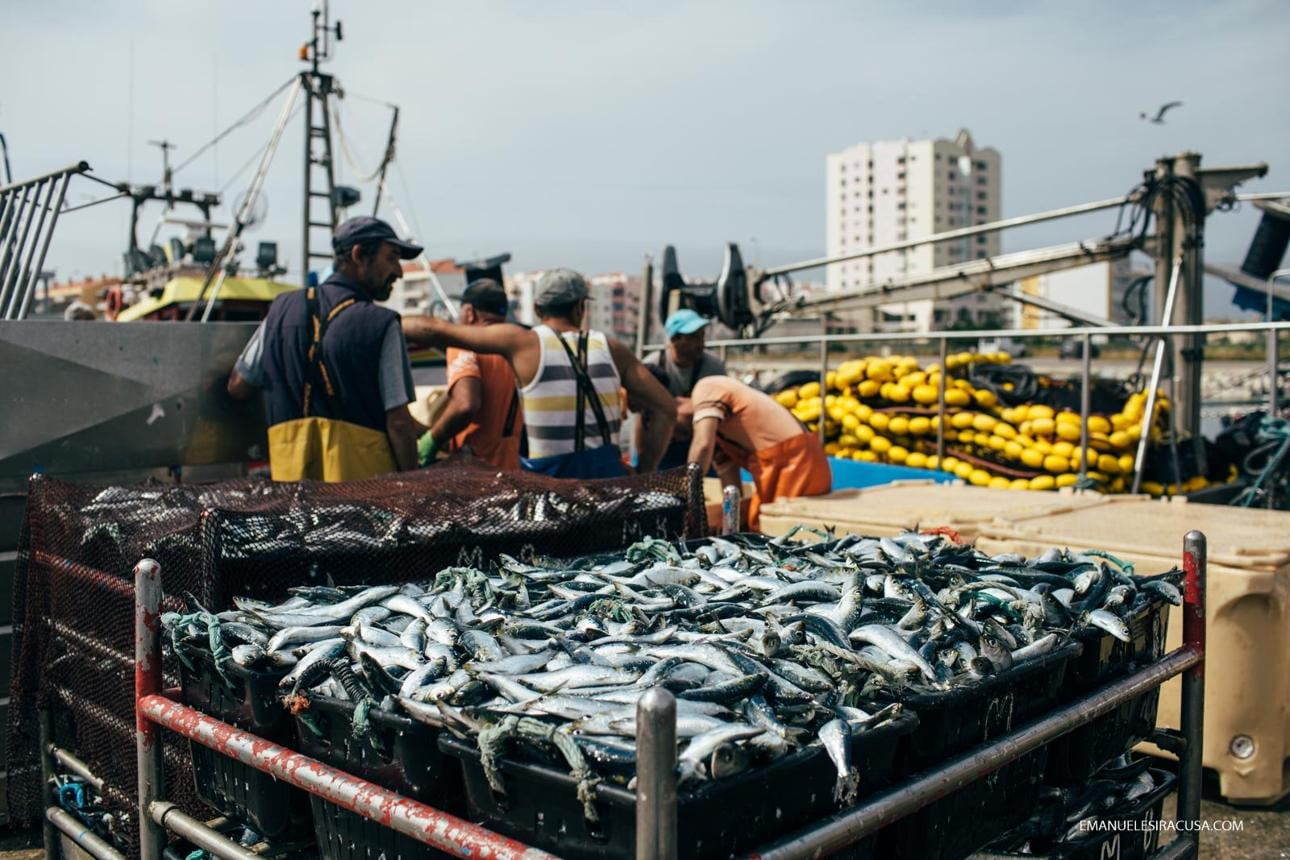
Peniche: The Portuguese port handles sardine, mackerel and a fleet that skews small, which makes it a fair place to judge whether the rewritten European fisheries control rules land differently on a nine-metre boat than on a factory trawler. The answer, so far, is that they do, and the gap is deliberate.

The Commission adopted the detailed implementing rules in late 2025, and they applied from 10 January 2026. They sit beneath the revised Control Regulation and do the unglamorous work of specifying formats, transmission frequencies and data fields, the layer where enforcement either becomes consistent across twenty-seven jurisdictions or quietly does not.

The headline change for importers is CATCH. Since January, anyone bringing fishery products into the EU market must submit catch certificates through that IT system rather than on paper, and the system cross-checks them against known vessels and authorisations. Paper certificates formed the weak point of the entire illegal fishing regime, because a document that exists only in a filing cabinet in one port cannot be compared against a document in another.

Whether CATCH closes that gap depends on data quality rather than architecture. A digital certificate carrying the same unverified tonnage as its paper predecessor catches nobody. What changes is the ability to spot patterns across shipments, and that capability only matures once several years of records accumulate.

For EU vessels, electronic reporting systems become the norm. Masters record and transmit catches, transhipments and landings electronically, and by 2028 the requirement covers the whole fleet, with exemptions for smaller vessels running until then. That phase-in is the concession Peniche notices. Fitting and maintaining reporting equipment on a small boat eats a meaningful share of its margin, and the transitional period exists to spread that cost.

Industry associations have pushed for more. Their argument is that the rules were designed around large vessels with crew to spare, and that a skipper working alone cannot file the same data stream as a ship with a dedicated officer. The lighter requirements for small-scale vessels answer part of that complaint. They do not answer all of it, and the 2028 cliff edge remains a live grievance.

The control system also tightens margin of tolerance rules, remote electronic monitoring for certain fleets and the traceability of products through the supply chain. Each of those carries a national implementation history of variable enthusiasm, which is precisely why the Commission chose implementing rules rather than guidance. Harmonised formats are harder to interpret loosely than harmonised principles.

The Commission control regulation pages set out the phasing, and national control authorities have issued their own guidance with varying clarity. Irish and Portuguese agencies published early. Others did not.

Enforcement uniformity was the original justification for reopening the control rules, after years in which the same infringement produced a warning in one member state and a substantial penalty in another. That problem is cultural and administrative as much as legal, and no implementing regulation resolves it alone. What the new framework does is remove the excuse that the data was not comparable.