September 24, 2026
LATEST
Rights Groups Test the EU Civil Society Strategy as Pressure MountsJudges Weigh EU Staff Nationality Quotas in Parliament Hiring CasePatents Could Unlock Startup Loans Under the European Innovation ActHungary EU Funds Move Closer as Commission Lifts Rule of Law FreezeMinisters Debate Chips Act 2.0 as Europe Pushes for More Chip OutputMontenegro Waits on a Dutch Vote as the EU Enlargement Sprint StallsGlobal Green Bond Initiative Bets on Private Money for PartnersEurope Draws a Line on Strait of Hormuz Tolls as Iran Talks ResumeStrasbourg Lets the European Defence Fund Pay for Tests in UkraineCSAM Regulation Talks Hinge on Scanning Private MessagesGoogle GDPR Fine of €403 Million Puts Location Data on TrialMFF 2028-2034 Talks Stall as Ministers Hold Their Red LinesBanks Contest Key Parts of the EU Banking Competitiveness PlanEMFAF Amendment Offers Fishers Simpler Rules and a Quota Cut CushionTeachers Trail Pupils as AI in Education Reports Expose a Training GapMacron Presses Brussels to Relax EU Fuel Quality Rules Before WinterEurostat Fuel Prices Jump 23.8 Per Cent as Diesel Leads August RiseData Centre Rating Scheme Puts Energy and Water Use on the EU RecordEU Indo-Pacific Security Partnerships Move From Paper to the SeaEU Thailand Free Trade Agreement Heads to Phuket for Its Final ThirdRights Groups Test the EU Civil Society Strategy as Pressure MountsJudges Weigh EU Staff Nationality Quotas in Parliament Hiring CasePatents Could Unlock Startup Loans Under the European Innovation ActHungary EU Funds Move Closer as Commission Lifts Rule of Law FreezeMinisters Debate Chips Act 2.0 as Europe Pushes for More Chip OutputMontenegro Waits on a Dutch Vote as the EU Enlargement Sprint StallsGlobal Green Bond Initiative Bets on Private Money for PartnersEurope Draws a Line on Strait of Hormuz Tolls as Iran Talks ResumeStrasbourg Lets the European Defence Fund Pay for Tests in UkraineCSAM Regulation Talks Hinge on Scanning Private MessagesGoogle GDPR Fine of €403 Million Puts Location Data on TrialMFF 2028-2034 Talks Stall as Ministers Hold Their Red LinesBanks Contest Key Parts of the EU Banking Competitiveness PlanEMFAF Amendment Offers Fishers Simpler Rules and a Quota Cut CushionTeachers Trail Pupils as AI in Education Reports Expose a Training GapMacron Presses Brussels to Relax EU Fuel Quality Rules Before WinterEurostat Fuel Prices Jump 23.8 Per Cent as Diesel Leads August RiseData Centre Rating Scheme Puts Energy and Water Use on the EU RecordEU Indo-Pacific Security Partnerships Move From Paper to the SeaEU Thailand Free Trade Agreement Heads to Phuket for Its Final Third
September 24, 2026
LATEST
Rights Groups Test the EU Civil Society Strategy as Pressure MountsJudges Weigh EU Staff Nationality Quotas in Parliament Hiring CasePatents Could Unlock Startup Loans Under the European Innovation ActHungary EU Funds Move Closer as Commission Lifts Rule of Law FreezeMinisters Debate Chips Act 2.0 as Europe Pushes for More Chip OutputMontenegro Waits on a Dutch Vote as the EU Enlargement Sprint StallsGlobal Green Bond Initiative Bets on Private Money for PartnersEurope Draws a Line on Strait of Hormuz Tolls as Iran Talks ResumeStrasbourg Lets the European Defence Fund Pay for Tests in UkraineCSAM Regulation Talks Hinge on Scanning Private MessagesGoogle GDPR Fine of €403 Million Puts Location Data on TrialMFF 2028-2034 Talks Stall as Ministers Hold Their Red LinesBanks Contest Key Parts of the EU Banking Competitiveness PlanEMFAF Amendment Offers Fishers Simpler Rules and a Quota Cut CushionTeachers Trail Pupils as AI in Education Reports Expose a Training GapMacron Presses Brussels to Relax EU Fuel Quality Rules Before WinterEurostat Fuel Prices Jump 23.8 Per Cent as Diesel Leads August RiseData Centre Rating Scheme Puts Energy and Water Use on the EU RecordEU Indo-Pacific Security Partnerships Move From Paper to the SeaEU Thailand Free Trade Agreement Heads to Phuket for Its Final ThirdRights Groups Test the EU Civil Society Strategy as Pressure MountsJudges Weigh EU Staff Nationality Quotas in Parliament Hiring CasePatents Could Unlock Startup Loans Under the European Innovation ActHungary EU Funds Move Closer as Commission Lifts Rule of Law FreezeMinisters Debate Chips Act 2.0 as Europe Pushes for More Chip OutputMontenegro Waits on a Dutch Vote as the EU Enlargement Sprint StallsGlobal Green Bond Initiative Bets on Private Money for PartnersEurope Draws a Line on Strait of Hormuz Tolls as Iran Talks ResumeStrasbourg Lets the European Defence Fund Pay for Tests in UkraineCSAM Regulation Talks Hinge on Scanning Private MessagesGoogle GDPR Fine of €403 Million Puts Location Data on TrialMFF 2028-2034 Talks Stall as Ministers Hold Their Red LinesBanks Contest Key Parts of the EU Banking Competitiveness PlanEMFAF Amendment Offers Fishers Simpler Rules and a Quota Cut CushionTeachers Trail Pupils as AI in Education Reports Expose a Training GapMacron Presses Brussels to Relax EU Fuel Quality Rules Before WinterEurostat Fuel Prices Jump 23.8 Per Cent as Diesel Leads August RiseData Centre Rating Scheme Puts Energy and Water Use on the EU RecordEU Indo-Pacific Security Partnerships Move From Paper to the SeaEU Thailand Free Trade Agreement Heads to Phuket for Its Final Third

Hungary EU Funds Move Closer as Commission Lifts Rule of Law Freeze

Hungary EU funds moved back within reach on 23 September 2026, when the European Commission asked the Council to lift the budget-protection measures imposed on Budapest in December 2022 under the rule-of-law conditionality regulation. If member states agree, €4.2 billion in suspended cohesion commitments would become available again, and students and researchers at universities run by Hungary’s public-interest asset management foundations would regain full access to Erasmus+ and Horizon Europe.

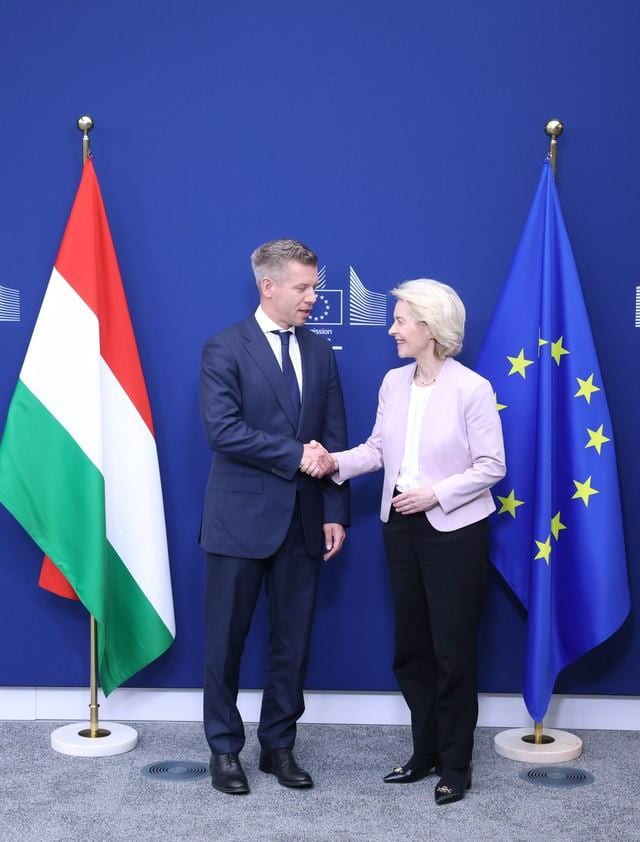
The decision is the clearest institutional signal yet that the political change in Budapest has translated into legal change the Commission is prepared to certify. Prime Minister Péter Magyar won a landslide election in April on a promise to recover the money frozen during Viktor Orbán’s sixteen years in power, and in May he and Commission President Ursula von der Leyen agreed a path to release up to €16.4 billion in EU funding, tied to 27 so-called super milestones and more than a hundred other conditions. Wednesday’s proposal is the first large instalment of that bargain to reach the Council table.

What makes the step significant is the instrument involved. The conditionality regulation was designed to protect the EU budget, not to police the rule of law in general, and it can only bite when breaches create a real risk to the sound management of EU money. The 2022 measures, which suspended 55 per cent of commitments under three cohesion programmes, worth roughly €6.3 billion at the time, and barred new EU legal commitments with the foundation-run universities, were therefore justified through procurement failures, weak prosecution of corruption and conflicts of interest rather than through broader concerns about democracy. Lifting them requires the Commission to show that those specific risks have gone.

According to the Commission’s assessment of corrective measures announced by the Hungarian government on 9 September, that threshold has now been met. Budapest has widened the powers of its Integrity Authority and its access to data, introduced a comprehensive asset declaration system, tackled conflicts of interest in the governance of the university foundations, extended judicial review of decisions by investigators and prosecutors, and tightened controls on how EU money is spent. The Commission also pointed to Hungary’s accession to the European Public Prosecutor’s Office, together with new rules on beneficial ownership and public procurement, as structural safeguards that did not exist when the measures were adopted.

The EPPO accession deserves particular attention. For years Hungary was one of the few member states outside the Luxembourg-based prosecutor’s jurisdiction, which meant fraud against the EU budget on its territory depended entirely on national authorities that the Commission itself considered ineffective. Joining changes the incentive structure for anyone handling EU funds in Hungary, and it gives the Commission a durable argument that the release of money does not rest on promises alone.

The file is not closed, however. The Council now has one month from the submission of the proposal to decide, acting by qualified majority, and some capitals will want reassurance that the reforms will survive future changes of government. A further €2 billion in cohesion funding remains blocked over separate concerns about the asylum system, the child protection law and academic freedom, which Magyar has pledged to resolve by the end of the year. Hungary is also seeking to draw about €10 billion in recovery funds, and the Commission’s assessment of that request is still under way.

For the institutions, the episode offers an early test of whether the conditionality mechanism works in both directions. Critics long argued that the tool was either too slow to punish or too easy to satisfy with paper reforms. A release grounded in measurable institutional change, verified against published milestones, would suggest the regulation can do what its designers intended, namely withhold money while the risk exists and return it once the risk has been addressed.

The broader lesson for the rule of law debate is that money and governance remain tightly linked in the Union’s toolbox. How quickly Hungary EU funds actually reach municipalities, universities and firms will now depend on the Council vote and on whether Budapest delivers the remaining milestones on schedule, but the direction of travel for Hungary EU funds has changed decisively in 2026.