September 24, 2026
LATEST
Rights Groups Test the EU Civil Society Strategy as Pressure MountsJudges Weigh EU Staff Nationality Quotas in Parliament Hiring CasePatents Could Unlock Startup Loans Under the European Innovation ActHungary EU Funds Move Closer as Commission Lifts Rule of Law FreezeMinisters Debate Chips Act 2.0 as Europe Pushes for More Chip OutputMontenegro Waits on a Dutch Vote as the EU Enlargement Sprint StallsGlobal Green Bond Initiative Bets on Private Money for PartnersEurope Draws a Line on Strait of Hormuz Tolls as Iran Talks ResumeStrasbourg Lets the European Defence Fund Pay for Tests in UkraineCSAM Regulation Talks Hinge on Scanning Private MessagesGoogle GDPR Fine of €403 Million Puts Location Data on TrialMFF 2028-2034 Talks Stall as Ministers Hold Their Red LinesBanks Contest Key Parts of the EU Banking Competitiveness PlanEMFAF Amendment Offers Fishers Simpler Rules and a Quota Cut CushionTeachers Trail Pupils as AI in Education Reports Expose a Training GapMacron Presses Brussels to Relax EU Fuel Quality Rules Before WinterEurostat Fuel Prices Jump 23.8 Per Cent as Diesel Leads August RiseData Centre Rating Scheme Puts Energy and Water Use on the EU RecordEU Indo-Pacific Security Partnerships Move From Paper to the SeaEU Thailand Free Trade Agreement Heads to Phuket for Its Final ThirdRights Groups Test the EU Civil Society Strategy as Pressure MountsJudges Weigh EU Staff Nationality Quotas in Parliament Hiring CasePatents Could Unlock Startup Loans Under the European Innovation ActHungary EU Funds Move Closer as Commission Lifts Rule of Law FreezeMinisters Debate Chips Act 2.0 as Europe Pushes for More Chip OutputMontenegro Waits on a Dutch Vote as the EU Enlargement Sprint StallsGlobal Green Bond Initiative Bets on Private Money for PartnersEurope Draws a Line on Strait of Hormuz Tolls as Iran Talks ResumeStrasbourg Lets the European Defence Fund Pay for Tests in UkraineCSAM Regulation Talks Hinge on Scanning Private MessagesGoogle GDPR Fine of €403 Million Puts Location Data on TrialMFF 2028-2034 Talks Stall as Ministers Hold Their Red LinesBanks Contest Key Parts of the EU Banking Competitiveness PlanEMFAF Amendment Offers Fishers Simpler Rules and a Quota Cut CushionTeachers Trail Pupils as AI in Education Reports Expose a Training GapMacron Presses Brussels to Relax EU Fuel Quality Rules Before WinterEurostat Fuel Prices Jump 23.8 Per Cent as Diesel Leads August RiseData Centre Rating Scheme Puts Energy and Water Use on the EU RecordEU Indo-Pacific Security Partnerships Move From Paper to the SeaEU Thailand Free Trade Agreement Heads to Phuket for Its Final Third
September 24, 2026
LATEST
Rights Groups Test the EU Civil Society Strategy as Pressure MountsJudges Weigh EU Staff Nationality Quotas in Parliament Hiring CasePatents Could Unlock Startup Loans Under the European Innovation ActHungary EU Funds Move Closer as Commission Lifts Rule of Law FreezeMinisters Debate Chips Act 2.0 as Europe Pushes for More Chip OutputMontenegro Waits on a Dutch Vote as the EU Enlargement Sprint StallsGlobal Green Bond Initiative Bets on Private Money for PartnersEurope Draws a Line on Strait of Hormuz Tolls as Iran Talks ResumeStrasbourg Lets the European Defence Fund Pay for Tests in UkraineCSAM Regulation Talks Hinge on Scanning Private MessagesGoogle GDPR Fine of €403 Million Puts Location Data on TrialMFF 2028-2034 Talks Stall as Ministers Hold Their Red LinesBanks Contest Key Parts of the EU Banking Competitiveness PlanEMFAF Amendment Offers Fishers Simpler Rules and a Quota Cut CushionTeachers Trail Pupils as AI in Education Reports Expose a Training GapMacron Presses Brussels to Relax EU Fuel Quality Rules Before WinterEurostat Fuel Prices Jump 23.8 Per Cent as Diesel Leads August RiseData Centre Rating Scheme Puts Energy and Water Use on the EU RecordEU Indo-Pacific Security Partnerships Move From Paper to the SeaEU Thailand Free Trade Agreement Heads to Phuket for Its Final ThirdRights Groups Test the EU Civil Society Strategy as Pressure MountsJudges Weigh EU Staff Nationality Quotas in Parliament Hiring CasePatents Could Unlock Startup Loans Under the European Innovation ActHungary EU Funds Move Closer as Commission Lifts Rule of Law FreezeMinisters Debate Chips Act 2.0 as Europe Pushes for More Chip OutputMontenegro Waits on a Dutch Vote as the EU Enlargement Sprint StallsGlobal Green Bond Initiative Bets on Private Money for PartnersEurope Draws a Line on Strait of Hormuz Tolls as Iran Talks ResumeStrasbourg Lets the European Defence Fund Pay for Tests in UkraineCSAM Regulation Talks Hinge on Scanning Private MessagesGoogle GDPR Fine of €403 Million Puts Location Data on TrialMFF 2028-2034 Talks Stall as Ministers Hold Their Red LinesBanks Contest Key Parts of the EU Banking Competitiveness PlanEMFAF Amendment Offers Fishers Simpler Rules and a Quota Cut CushionTeachers Trail Pupils as AI in Education Reports Expose a Training GapMacron Presses Brussels to Relax EU Fuel Quality Rules Before WinterEurostat Fuel Prices Jump 23.8 Per Cent as Diesel Leads August RiseData Centre Rating Scheme Puts Energy and Water Use on the EU RecordEU Indo-Pacific Security Partnerships Move From Paper to the SeaEU Thailand Free Trade Agreement Heads to Phuket for Its Final Third

Eurostat Fuel Prices Jump 23.8 Per Cent as Diesel Leads August Rise

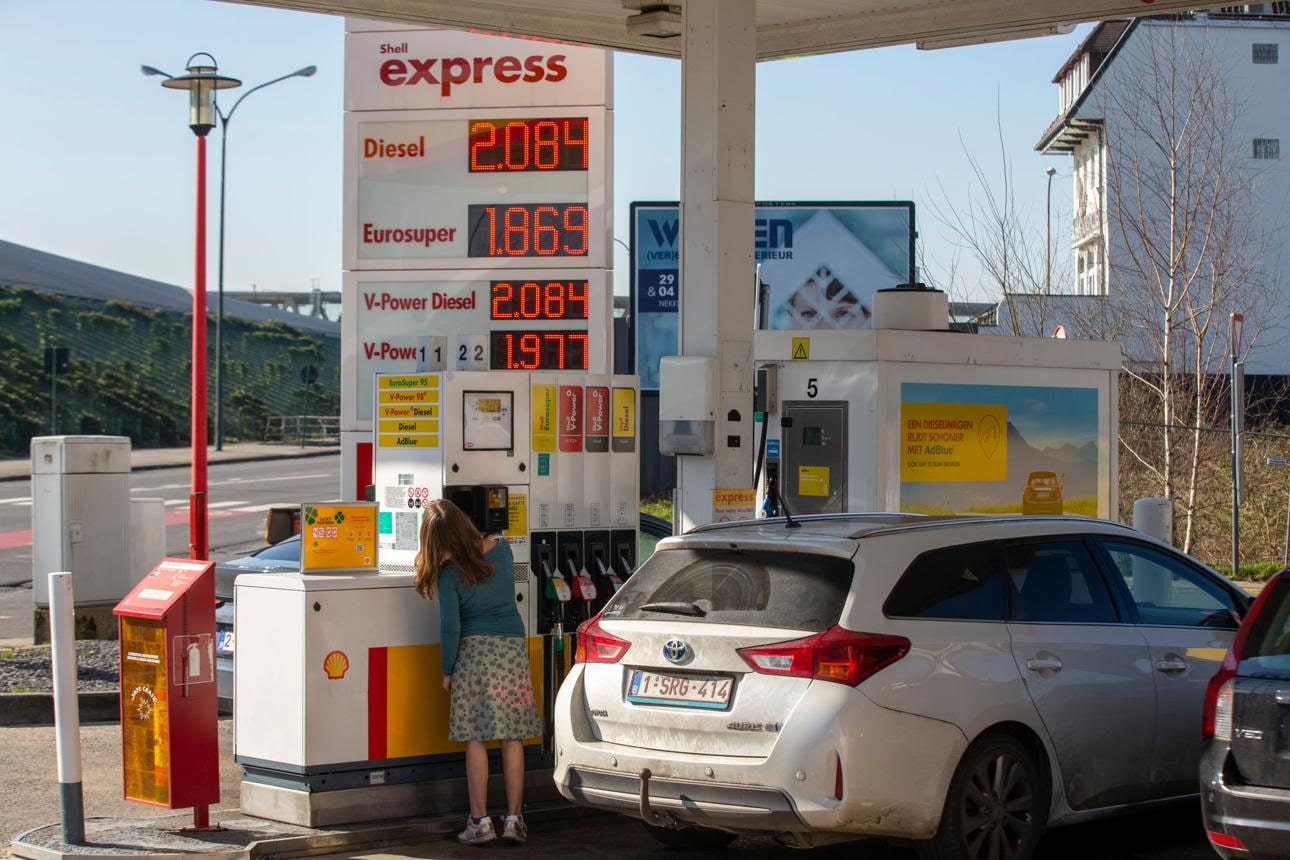
Eurostat fuel prices figures published on 22 September 2026 confirm what drivers across the European Union have been seeing at the pump for months. In August 2026 the price of fuels and engine oils for private transport in the EU was 23.8 per cent higher than a year earlier, according to the statistical office of the European Union. The increase is the steepest in the current run and it follows annual rises of 13.7 per cent in June and 16.9 per cent in July, which means the curve is not flattening but getting sharper as the summer ends.

The breadth of the rise is as striking as its size. Prices went up in 26 of the 27 Member States between August 2025 and August 2026, and in 18 of them the increase was above 20 per cent. Bulgaria recorded the largest jump at 34.5 per cent, followed by Lithuania at 28.8 per cent, Finland at 27.6 per cent, Germany at 27.5 per cent and France at 27.4 per cent. Italy came in at 20.3 per cent. At the other end of the table, Hungary registered a rise of only 1.3 per cent, Sweden 6.1 per cent and Ireland 11.7 per cent, a spread that says as much about national tax choices and price interventions as it does about the underlying market.

The monthly numbers point to diesel as the pressure point. Between July and August 2026 diesel prices rose by 8.3 per cent across the EU while petrol climbed by 3.3 per cent. Diesel became more expensive in 26 countries in a single month, with the Czech Republic up 14.3 per cent, Bulgaria up 13.5 per cent and Luxembourg up 12.3 per cent. Even the smallest diesel increases, in Italy at 5.2 per cent, Romania at 6.1 per cent and the Netherlands at 6.2 per cent, would count as a sharp move in a normal year. Petrol was more mixed, rising in 22 countries, falling slightly in three and holding steady in two. Spain saw the sharpest petrol rise at 8.2 per cent, while Hungary, Denmark and Slovakia recorded marginal declines.

The gap between diesel and petrol matters for policy in a way that the headline figure hides. Diesel is the fuel of freight, farming, construction and a large share of commuters in rural areas, so a diesel shock feeds quickly into the price of food and goods and hits households that have few alternatives to the car. A petrol rise of a few per cent is an irritation. A diesel rise of eight per cent in one month, on top of a year of increases, reaches the cost base of the whole economy and complicates the job of central bankers who are already contending with energy-driven inflation.

The country ranking also undercuts any easy assumption that the richest or most central economies are the best shielded. Germany and France sit near the top of the table alongside Bulgaria and Lithuania, while Hungary, which has a long record of administrative price caps, sits almost untouched at the bottom. That pattern suggests that the Eurostat fuel prices series is capturing not only the global oil shock linked to disruption in the Middle East but also the choices governments made about excise duties, VAT and temporary relief, many of which were designed for the 2022 crisis and have since expired.

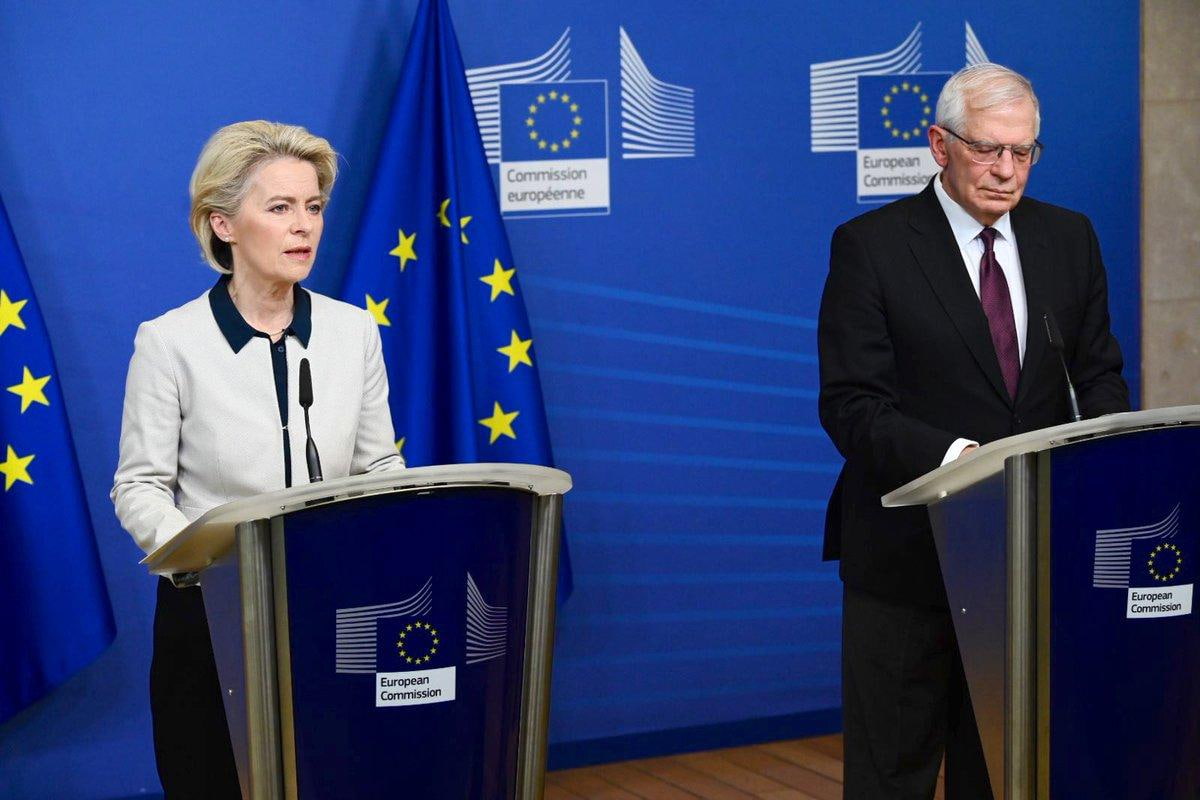
For the European Commission the data arrive at an awkward moment. Energy ministers and national treasuries are being asked to respond, but fiscal room is tighter than in 2022 and the new economic governance rules leave less scope for broad subsidies. The Commission has so far stressed coordination and targeted measures rather than blanket support, and the August numbers will test how long that line can hold.

The next monthly release will show whether August was a peak or a staging post. If the September Eurostat fuel prices figures show diesel still climbing, pressure on Brussels to move from monitoring to action will grow, and the debate will shift from how high prices have gone to who should carry the cost.