September 24, 2026
LATEST
Rights Groups Test the EU Civil Society Strategy as Pressure MountsJudges Weigh EU Staff Nationality Quotas in Parliament Hiring CasePatents Could Unlock Startup Loans Under the European Innovation ActHungary EU Funds Move Closer as Commission Lifts Rule of Law FreezeMinisters Debate Chips Act 2.0 as Europe Pushes for More Chip OutputMontenegro Waits on a Dutch Vote as the EU Enlargement Sprint StallsGlobal Green Bond Initiative Bets on Private Money for PartnersEurope Draws a Line on Strait of Hormuz Tolls as Iran Talks ResumeStrasbourg Lets the European Defence Fund Pay for Tests in UkraineCSAM Regulation Talks Hinge on Scanning Private MessagesGoogle GDPR Fine of €403 Million Puts Location Data on TrialMFF 2028-2034 Talks Stall as Ministers Hold Their Red LinesBanks Contest Key Parts of the EU Banking Competitiveness PlanEMFAF Amendment Offers Fishers Simpler Rules and a Quota Cut CushionTeachers Trail Pupils as AI in Education Reports Expose a Training GapMacron Presses Brussels to Relax EU Fuel Quality Rules Before WinterEurostat Fuel Prices Jump 23.8 Per Cent as Diesel Leads August RiseData Centre Rating Scheme Puts Energy and Water Use on the EU RecordEU Indo-Pacific Security Partnerships Move From Paper to the SeaEU Thailand Free Trade Agreement Heads to Phuket for Its Final ThirdRights Groups Test the EU Civil Society Strategy as Pressure MountsJudges Weigh EU Staff Nationality Quotas in Parliament Hiring CasePatents Could Unlock Startup Loans Under the European Innovation ActHungary EU Funds Move Closer as Commission Lifts Rule of Law FreezeMinisters Debate Chips Act 2.0 as Europe Pushes for More Chip OutputMontenegro Waits on a Dutch Vote as the EU Enlargement Sprint StallsGlobal Green Bond Initiative Bets on Private Money for PartnersEurope Draws a Line on Strait of Hormuz Tolls as Iran Talks ResumeStrasbourg Lets the European Defence Fund Pay for Tests in UkraineCSAM Regulation Talks Hinge on Scanning Private MessagesGoogle GDPR Fine of €403 Million Puts Location Data on TrialMFF 2028-2034 Talks Stall as Ministers Hold Their Red LinesBanks Contest Key Parts of the EU Banking Competitiveness PlanEMFAF Amendment Offers Fishers Simpler Rules and a Quota Cut CushionTeachers Trail Pupils as AI in Education Reports Expose a Training GapMacron Presses Brussels to Relax EU Fuel Quality Rules Before WinterEurostat Fuel Prices Jump 23.8 Per Cent as Diesel Leads August RiseData Centre Rating Scheme Puts Energy and Water Use on the EU RecordEU Indo-Pacific Security Partnerships Move From Paper to the SeaEU Thailand Free Trade Agreement Heads to Phuket for Its Final Third
September 24, 2026
LATEST
Rights Groups Test the EU Civil Society Strategy as Pressure MountsJudges Weigh EU Staff Nationality Quotas in Parliament Hiring CasePatents Could Unlock Startup Loans Under the European Innovation ActHungary EU Funds Move Closer as Commission Lifts Rule of Law FreezeMinisters Debate Chips Act 2.0 as Europe Pushes for More Chip OutputMontenegro Waits on a Dutch Vote as the EU Enlargement Sprint StallsGlobal Green Bond Initiative Bets on Private Money for PartnersEurope Draws a Line on Strait of Hormuz Tolls as Iran Talks ResumeStrasbourg Lets the European Defence Fund Pay for Tests in UkraineCSAM Regulation Talks Hinge on Scanning Private MessagesGoogle GDPR Fine of €403 Million Puts Location Data on TrialMFF 2028-2034 Talks Stall as Ministers Hold Their Red LinesBanks Contest Key Parts of the EU Banking Competitiveness PlanEMFAF Amendment Offers Fishers Simpler Rules and a Quota Cut CushionTeachers Trail Pupils as AI in Education Reports Expose a Training GapMacron Presses Brussels to Relax EU Fuel Quality Rules Before WinterEurostat Fuel Prices Jump 23.8 Per Cent as Diesel Leads August RiseData Centre Rating Scheme Puts Energy and Water Use on the EU RecordEU Indo-Pacific Security Partnerships Move From Paper to the SeaEU Thailand Free Trade Agreement Heads to Phuket for Its Final ThirdRights Groups Test the EU Civil Society Strategy as Pressure MountsJudges Weigh EU Staff Nationality Quotas in Parliament Hiring CasePatents Could Unlock Startup Loans Under the European Innovation ActHungary EU Funds Move Closer as Commission Lifts Rule of Law FreezeMinisters Debate Chips Act 2.0 as Europe Pushes for More Chip OutputMontenegro Waits on a Dutch Vote as the EU Enlargement Sprint StallsGlobal Green Bond Initiative Bets on Private Money for PartnersEurope Draws a Line on Strait of Hormuz Tolls as Iran Talks ResumeStrasbourg Lets the European Defence Fund Pay for Tests in UkraineCSAM Regulation Talks Hinge on Scanning Private MessagesGoogle GDPR Fine of €403 Million Puts Location Data on TrialMFF 2028-2034 Talks Stall as Ministers Hold Their Red LinesBanks Contest Key Parts of the EU Banking Competitiveness PlanEMFAF Amendment Offers Fishers Simpler Rules and a Quota Cut CushionTeachers Trail Pupils as AI in Education Reports Expose a Training GapMacron Presses Brussels to Relax EU Fuel Quality Rules Before WinterEurostat Fuel Prices Jump 23.8 Per Cent as Diesel Leads August RiseData Centre Rating Scheme Puts Energy and Water Use on the EU RecordEU Indo-Pacific Security Partnerships Move From Paper to the SeaEU Thailand Free Trade Agreement Heads to Phuket for Its Final Third

Strasbourg Lets the European Defence Fund Pay for Tests in Ukraine

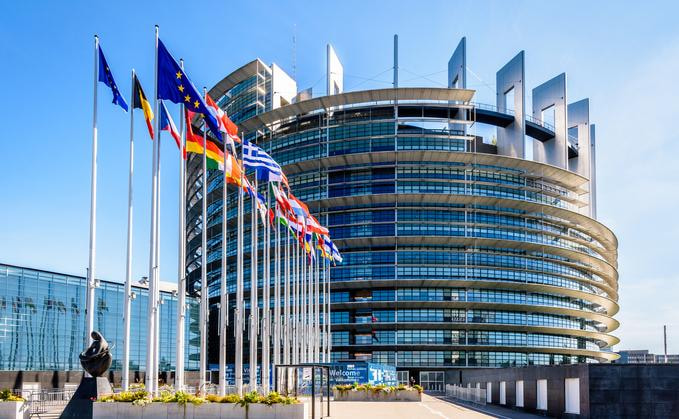
Strasbourg: The European Defence Fund will soon pay for testing new weapons and military technologies in Ukraine, after MEPs voted in Strasbourg on 16 September 2026 to adopt the three laws that make up the Defence Readiness Omnibus. The package aims to strip red tape from Europe’s defence industry and speed up the build-up that EU leaders demanded after Russia’s full-scale invasion of Ukraine.

Parliament backed the text simplifying the European Defence Fund by 530 votes to 125, with 12 abstentions. It approved the regulation on permits for defence readiness projects by 540 votes to 105, with 22 abstentions, and the directive on intra-EU transfers and defence procurement by 549 votes to 92, with 27 abstentions. The Council must now formally adopt all three texts before they enter into force.

The Ukraine provision stands out. Under the amended rules, existing European Defence Fund projects can treat the cost of trials, continuous testing and battlefield evaluation in Ukraine as eligible spending. Defence firms gain a legal route to put drones, sensors and other systems in front of Ukrainian units and feed combat lessons straight back into their designs, rather than relying on ranges far from any front line.

Estonian Social Democrat Sven Mikser, one of the rapporteurs, framed the vote bluntly, warning that “Europe’s security can no longer be taken for granted”. Lawmakers from the EPP, S&D and Renew groups steered the three files through the Security and Defence Committee alongside the internal market, environment and industry committees.

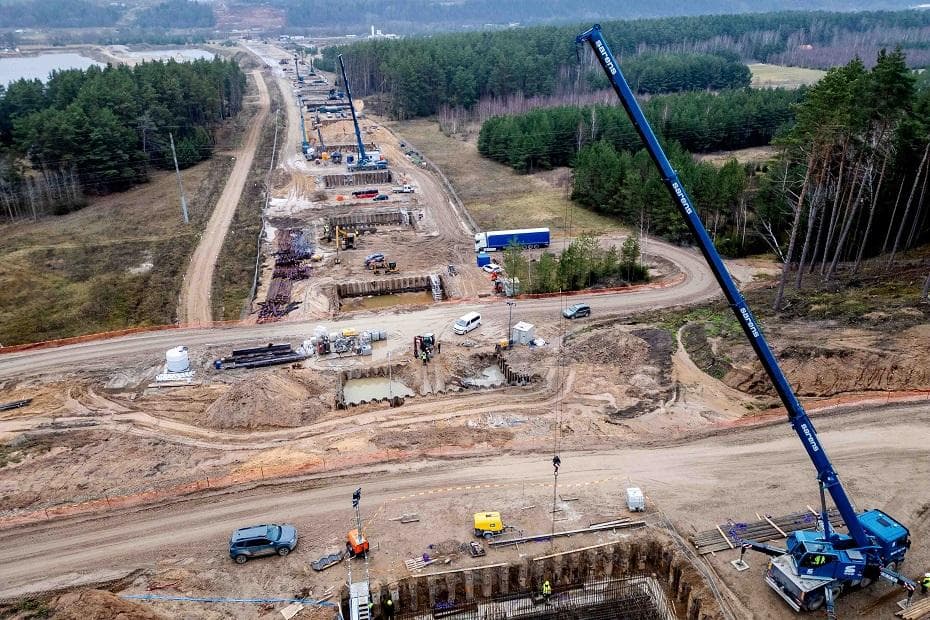
The permitting rules may prove just as important for factories back home. National authorities will have a maximum of 102 working days to decide on applications for defence readiness projects, such as new munitions lines or expanded plants. If an authority misses the deadline, tacit approval applies, although governments keep exceptions where a project poses serious risks to national security or public health. Parliament had pushed for a shorter default of 50 working days during negotiations.

The procurement directive raises the thresholds that trigger full tendering, allows occasional joint purchases between member states and gives buyers more flexibility with framework agreements. It also creates two mandatory general transfer licences, one for certified suppliers and recipients and one for intra-EU industrial partnerships, so that components can cross internal borders without a separate licence for every shipment.

The European Commission tabled the omnibus in June 2025, and negotiators from the Cyprus Presidency and Parliament struck the provisional deal on 10 June 2026. The final texts also raise funding bonuses for small and medium-sized firms and protect industry intellectual property while guaranteeing co-financing member states access to project results. The European Parliamentary Research Service briefing on Omnibus V sets out the full legislative history.

Critics focused on the limited exemptions from EU environmental and chemicals law that the package grants for defence readiness activities. Supporters answer that the texts maintain a high level of health and environmental protection and simply stop green rules from blocking urgent production. The votes against, roughly a fifth of the chamber on each file, show that the argument has not disappeared.

The European Defence Fund reform also arrives as money starts to flow from the EU’s separate SAFE loan instrument. Italy asked the Commission in August for 8 billion euros in SAFE loans, and several capitals have begun joint purchases under the scheme. Faster permits, easier transfers and battlefield testing in Ukraine now give that money a quicker path from contract to capability, provided the Council completes adoption without delay.