Leiden: Horizon Europe horizontal actions for 2027 now include two new cross-cutting calls on biodiversity and on bringing research results to market, funded by an extra €500 million that the Commission added to the programme through the end of 2027. The allocation was announced on 29 September 2026, and the first calls open this month.
The Horizon Europe horizontal actions are managed in part by the European Research Executive Agency, known as REA, which handles about half of the additional budget under the Nature and Bridging actions. The Nature action is called Transformative Change Towards a Nature-Positive Economy and Society, and it is split into two parts.
The first Nature part has a budget of €41.45 million for three topics and opens on 13 October 2026. It looks at the effects of PFAS on biodiversity and at the benefits of clean and digital industries for biodiversity. The second part has €108 million for five topics, also opening on 13 October, covering invertebrate decline, nature restoration labs, wildlife trafficking, invasive species and biodiversity monitoring for EU policy.
The Bridging Actions 2027 target the gap between a finished research project and a product or service. One topic offers €32.5 million to advance promising results from Pillar II through the innovation journey, and another offers €20 million to valorise Horizon Europe project results through innovation ecosystems. Both open on 20 October 2026. A third group of topics worth €30.5 million is aimed at research infrastructures and opens in March.
Applicants to the Horizon Europe horizontal actions can prepare quickly. An information day is planned for 16 October 2026, and a brokerage event follows on 19 October, so consortia can still form partnerships before the first deadlines. Universities, research centres and small companies that already hold Horizon Europe grants may find the Bridging topics most useful, because they are designed to build on existing results.
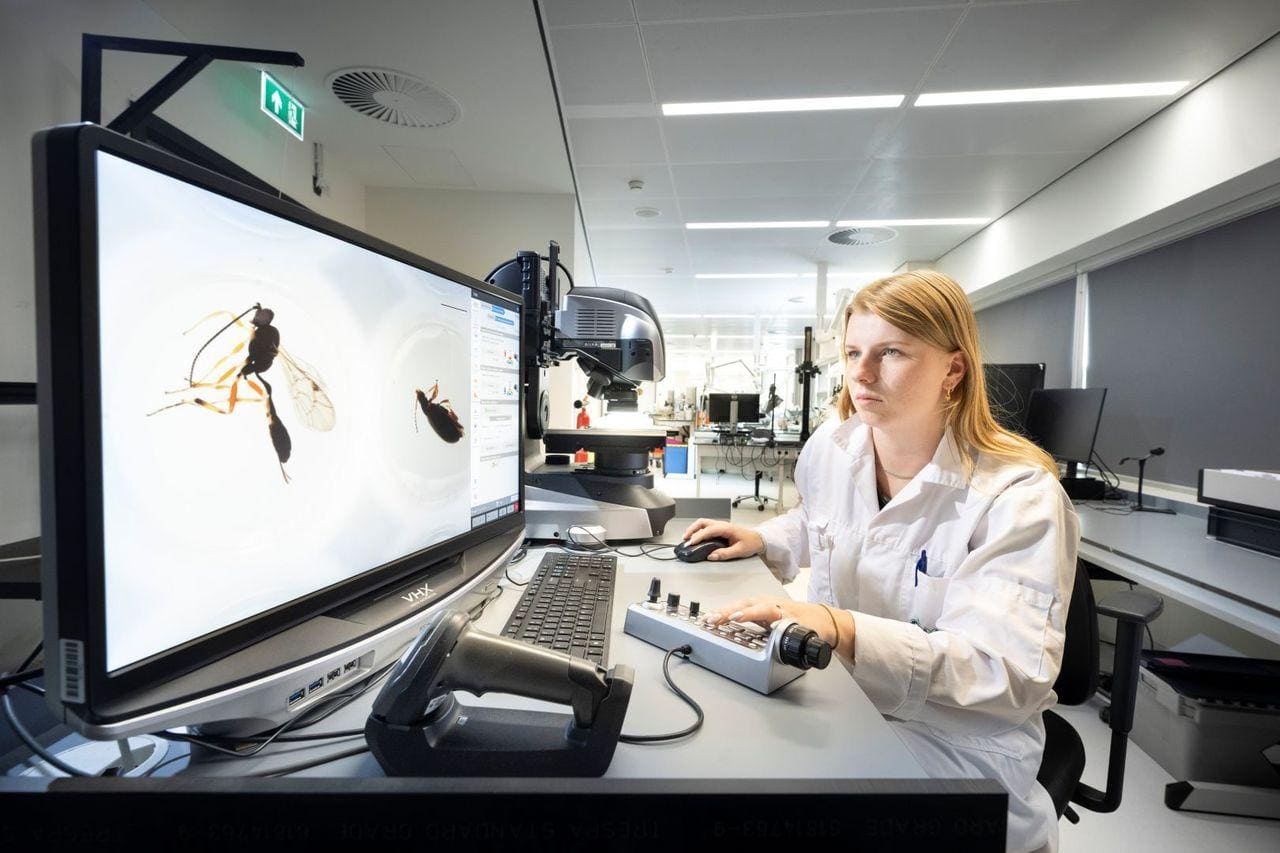
The Horizon Europe horizontal actions reflect two political priorities at once. The nature topics respond to pressure on biodiversity, including the invertebrate declines that scientists have been documenting for years. The bridging topics respond to the Commission’s wish to turn European research into economic strength, a theme that runs through its competitiveness agenda.
Some details still need clarification. Public reports on the allocation describe the Nature call as having more topics than the budget tables list, and the published amounts do not add up to the full €500 million, so researchers should check the official work programme before committing time to a proposal. For those who do, the Horizon Europe horizontal actions offer a funded route into 2027 for projects that connect nature protection with innovation.