Geneva: Emergency humanitarian funding from the European Commission has spread across a widening list of crises since mid-August 2026, from a cholera outbreak in West and Central Africa to an earthquake in Colombia and conflict in Myanmar. The allocations are small beside the annual budget, yet they show how the Commission uses short, fast payments to keep up with events.
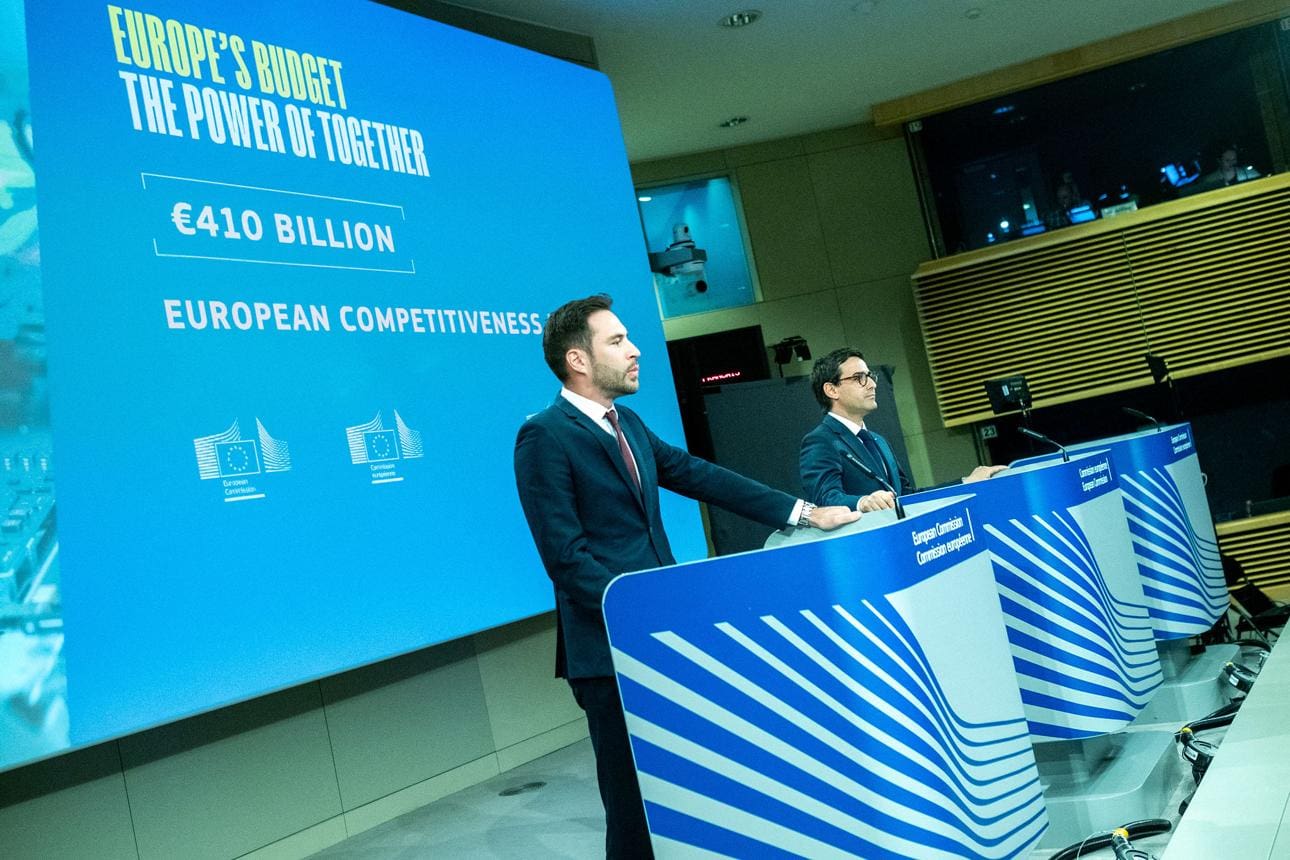
The frame is the Commission’s humanitarian aid budget for 2026, announced in January at €1.9 billion. Within it, the March decision for the Middle East set aside €458 million for Palestine, Lebanon, Syria, Jordan and Egypt. Syria received €210 million, Palestine €124 million, Lebanon €100 million, Jordan €15.5 million and Egypt €8 million. Commissioner Hadja Lahbib has described the EU as the largest donor still active in some of the world’s gravest crises.
August brought a string of smaller humanitarian funding decisions. On 12 August the Commission provided €2.1 million in emergency assistance to Colombia after an earthquake of magnitude 7.4, and on 17 August it mobilised civil protection assistance on top of that funding. On 13 August it raised humanitarian funding for Myanmar by €10.5 million as conflict there claimed more than 100,000 lives and displaced many more, with recent flash floods adding to the need.
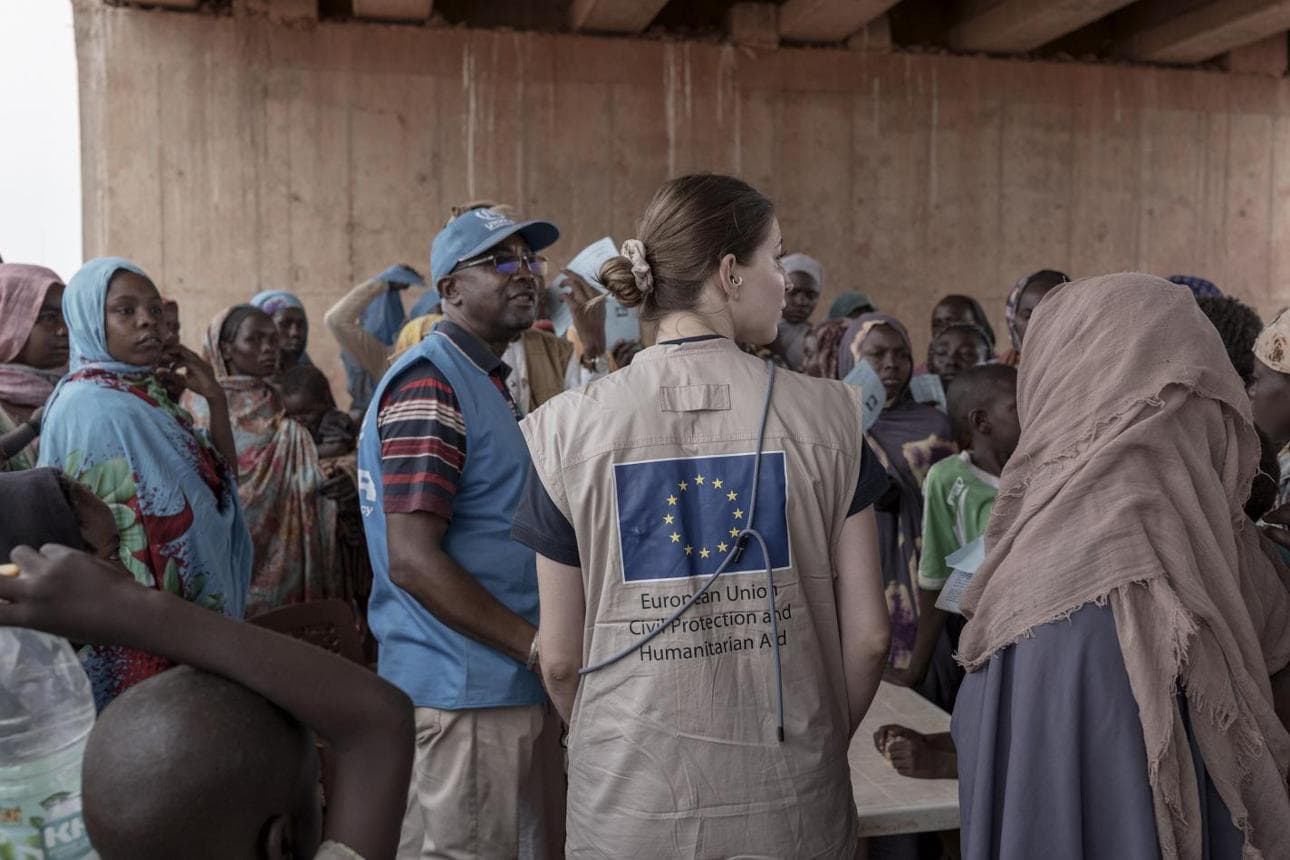
The cholera allocation followed on 17 August. The Commission released €2.3 million to curb the outbreak in Nigeria, Cameroon, the Central African Republic and Chad, after the World Health Organization reported more than 61,000 cases in the African Region in the first five months of 2026. Money of this kind pays for clean water, treatment centres and community outreach before an outbreak outruns local health systems.
Natural hazards dominated the end of the month. On 28 August the Commission allocated €2 million to victims of flash floods in Nepal, in addition to almost €3 million provided earlier in the year. Wildfires meanwhile tested the civil protection side of the portfolio. The EU sent four rescEU helicopters and ground teams from Germany and Romania to Serbia, extending support until 5 September, and Commissioner Lahbib visited fire-hit areas of Belgium and Germany on 24 August.
Three lessons follow for the autumn. First, humanitarian funding moves in steps of a few million euros within days of a disaster, which gives partners cash while appeals are still being drawn up. Second, the pattern relies on need alone and on humanitarian principles, so allocations follow suffering rather than politics. Third, the budget is finite, and each new emergency competes with long-running programmes in the Middle East and Africa.
As winter approaches, aid groups will look for signals on how much of the €1.9 billion is still uncommitted. The Commission has not published a running balance of uncommitted funds. What the August record shows is a funding system that reacts quickly, and how far humanitarian funding can stretch before the year ends is now the question for donors and partners alike.