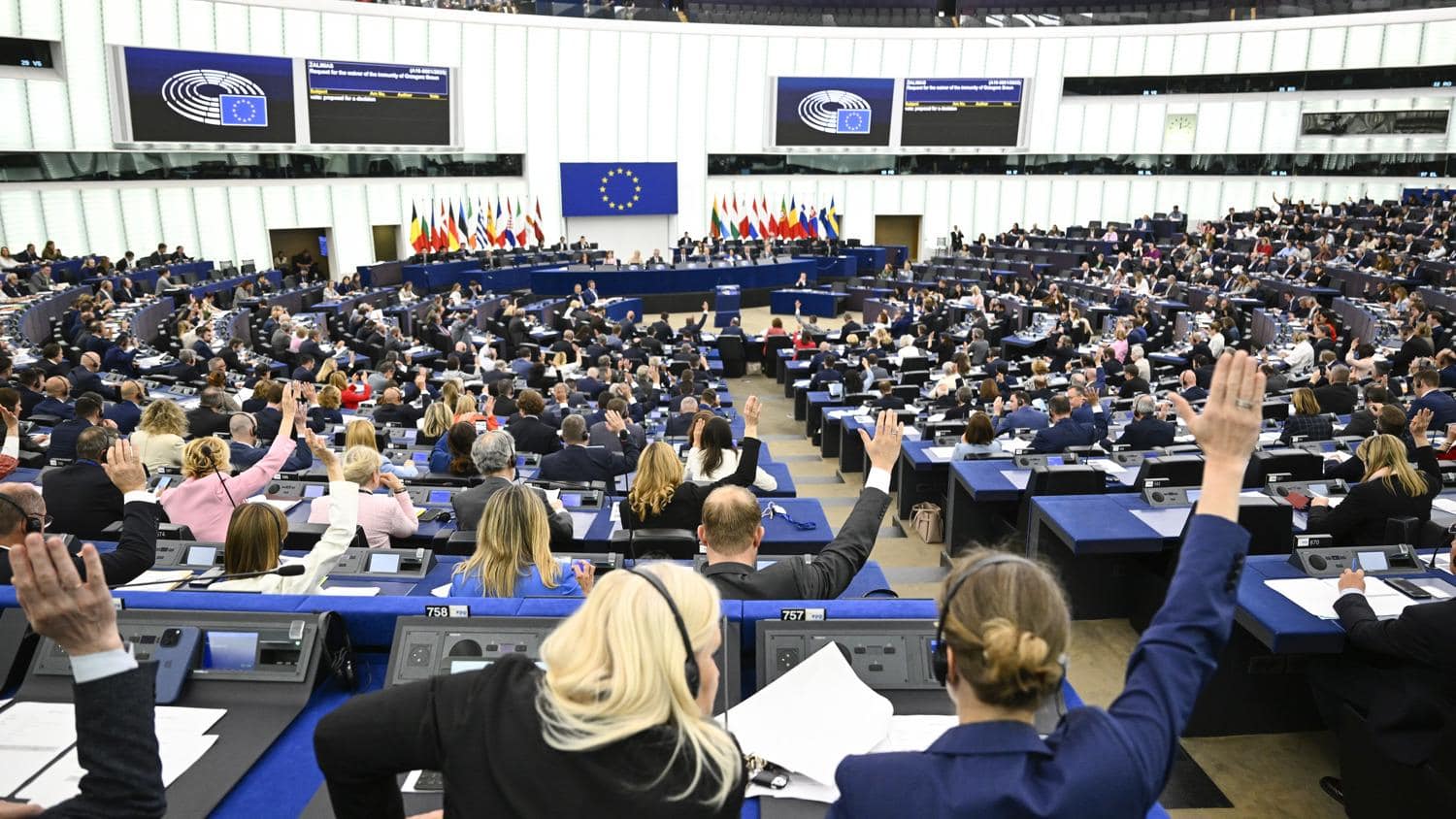
Strasbourg: The European Parliament voted on 20 October 2026 to suspend the EPR authorised representative requirement for small producers, adopting negotiating positions on two environmental omnibus files that cut paperwork under extended producer responsibility rules.
Producers must currently appoint an authorised representative in each member state where they sell goods covered by producer responsibility schemes. Parliament would suspend that EPR authorised representative duty temporarily for EU-based small and micro firms with fewer than 50 employees and annual turnover or a balance sheet total below €10 million.
Two votes covered the package. The first file, on packaging and waste batteries, passed with 616 votes in favour, 9 against and 39 abstentions. The second, on textiles, footwear, electrical and electronic equipment and single-use plastics, passed with 612 in favour, 8 against and 39 abstentions. Those margins show broad cross-party support for suspending the EPR authorised representative obligation.
Ingeborg ter Laak, a Dutch member of the EPP group, leads the file. She said unnecessary administrative burdens should be reduced. The exemption would run until 2035 or until a broader circular economy act takes effect, according to the Brussels Times. Parliament also called for better information exchange between member states, interoperable digital systems and common reporting requirements.
The Council must now agree its own position before trilogue talks can start. MEP Jutta Paulus does not expect trilogues before January 2027, according to a report by ad-hoc-news, while Commissioner Jessika Roswall wants the changes in force before Christmas. Those two timelines point in different directions, which leaves small producers uncertain about when the EPR authorised representative rule will change.
Both files form part of the Commission’s wider push to simplify environmental legislation, an idea it floated in its December 2025 omnibus programme. Extended producer responsibility makes producers pay for the collection and recycling of the products they place on the market, and the authorised representative gives national authorities a named party to hold accountable when the producer sits abroad. Parliament’s position leaves the underlying obligations in place and removes one layer of administration for the smallest firms. The trade-off is clear: lower costs for cross-border sellers against a harder job for enforcement bodies that must trace responsible parties.
For now, the EPR authorised representative requirement still applies, because Parliament’s vote opens negotiations rather than changing the law. Small businesses that sell across borders will need to follow the Council’s position and the January calendar before they can count on relief.