Brussels: The EU-GCC summit that was meant to bring the leaders of the European Union and the Gulf Cooperation Council to Riyadh has been postponed, and no new date exists. GCC Secretary-General Jasem Al Budaiwi said on 15 October 2026 that Houthi attacks on Saudi Arabia and the suspension of operations at King Khalid International Airport made the meeting unsafe for delegations. The EU-GCC summit will be rescheduled at a later date to be agreed by both sides, he said.
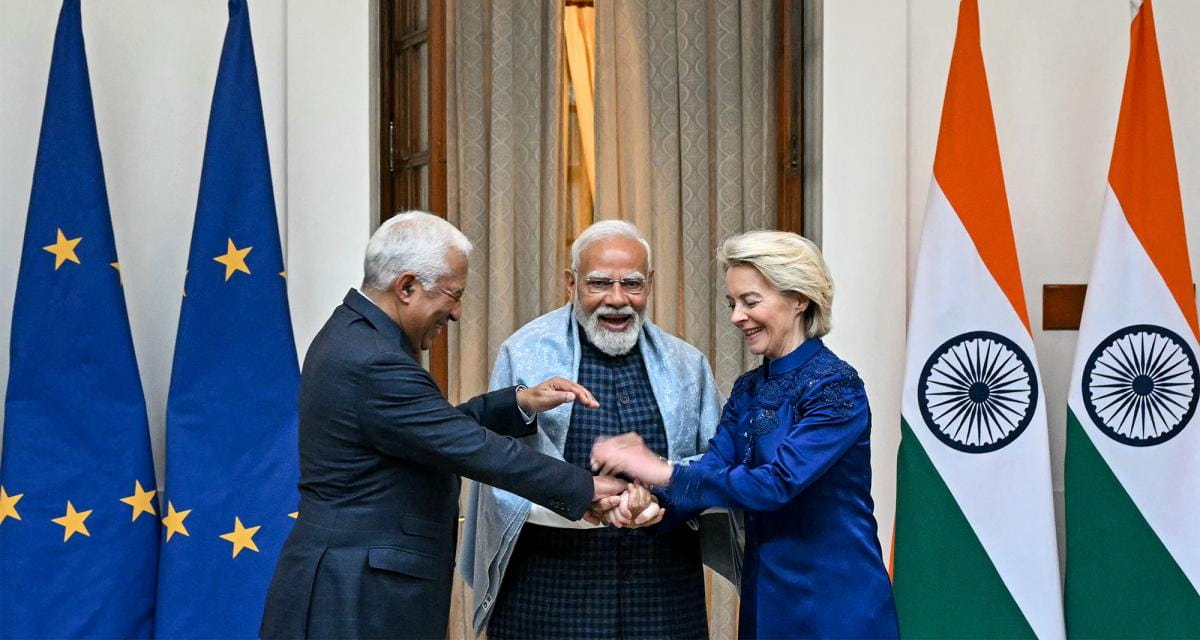
The meeting was planned as the second leaders’ session in this format after the first in Brussels in late 2024. Crown Prince Mohammed bin Salman was due to co-host with European Council President António Costa, with all 27 EU leaders expected. The European Council said in a separate statement that it remains committed to deepening the partnership, but it gave no timetable.
The security picture explains the decision. The National reports that Houthi missile strikes have also damaged the kingdom’s energy and maritime infrastructure, and it says the Strait of Hormuz is under an Iranian blockade. For European planners, the EU-GCC summit would have been a rare chance to discuss maritime security and energy supply with the governments most exposed to those risks.
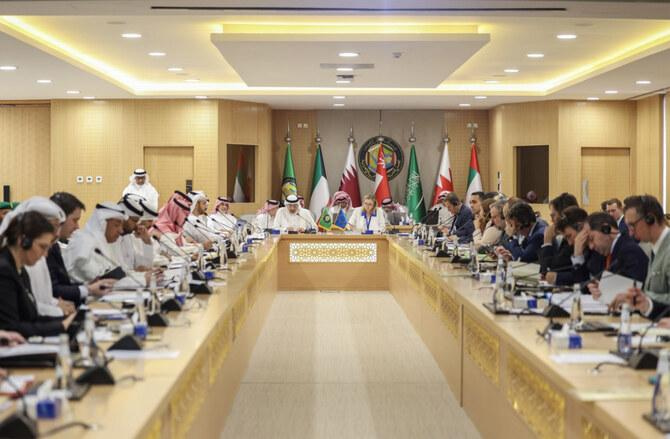
Preparation had already moved ahead. On 8 October the Third EU-GCC Regional Security Dialogue took place in Riyadh, co-chaired by the European External Action Service, the GCC Secretariat and Bahrain as current GCC presidency. Participants discussed Gaza, Iran, Yemen, Lebanon, Syria, Iraq, Ukraine and the Horn of Africa. They also agreed next steps on counterterrorism, maritime security, non-proliferation, cyber security, disaster preparedness and organised crime.
That work gives the postponed EU-GCC summit a ready security agenda, but several commercial files were waiting for leaders as well. Gulf governments hoped to advance the harmonisation of Schengen visa waivers, since rules differ by state. The United Arab Emirates already has an exemption, while citizens of Kuwait, Qatar, Saudi Arabia, Bahrain and Oman receive five-year multiple-entry visas.
Energy routes were also likely to feature. Bulgarian Prime Minister Rumen Radev said he suspected the delay was for security reasons, and he said Sofia is pushing a railway corridor to carry Saudi oil through Syria, Turkey and Bulgaria to Europe while avoiding Hormuz. He expected the new route to find a place in the discussions, although no decision on it has been reported.
The delay carries a political cost, because Brussels has spent 2026 trying to show Gulf partners that its interest goes beyond crisis management. Until security at Saudi airports and ports stabilises, any new date for the EU-GCC summit stays uncertain, and the Gulf and European sides will keep relying on ministerial channels and the security dialogue to hold the agenda together.