Pretoria: Global Gateway in Africa has moved from announcement to audit, and the central question is no longer how much money the European Union can mobilise but who owns the result. Launched in 2021, the strategy is the EU’s answer to rival infrastructure offers, and its clean energy projects on the continent now face scrutiny from partners who want more than finance.
The headline numbers are large. The Commission announced in October 2025 that the target of €300 billion in investment before 2027 had been reached, and in December 2025 the Council endorsed 256 flagship projects, most of them in climate and energy and many of them in Africa. Financing for Global Gateway in Africa leans on Team Europe and the European Fund for Sustainable Development Plus, which uses guarantees to attract private capital.
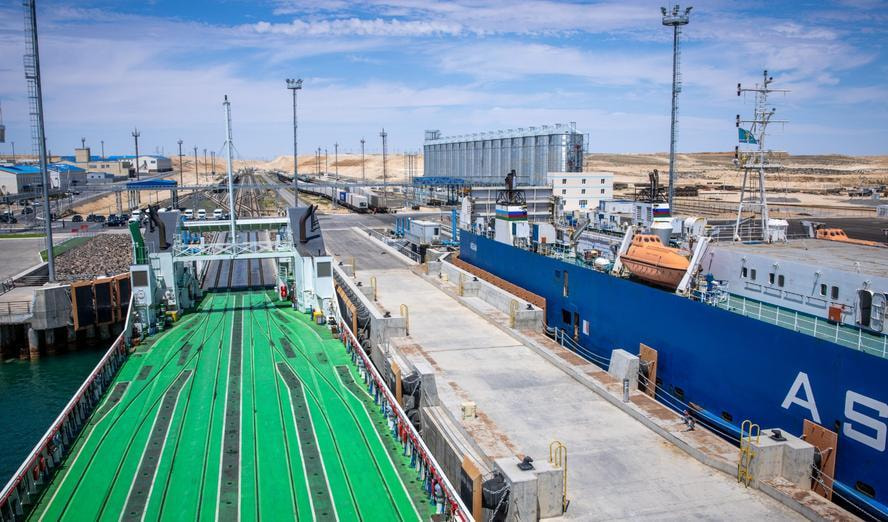
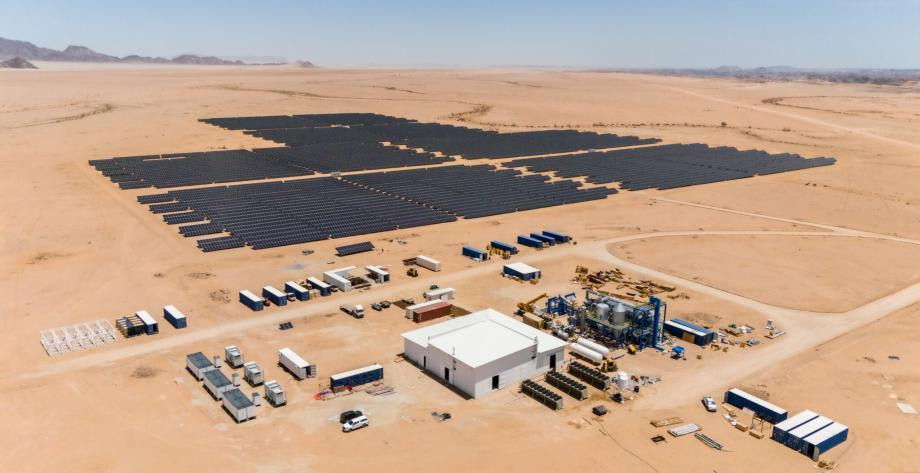
Behind the totals of Global Gateway in Africa lie projects with very different shapes. The Lobito Corridor involves a railway of about 1,300 kilometres, while the EU-Namibia green hydrogen partnership, established in 2022, aims to build a new export industry. South Africa, the EU’s largest trading partner on the continent, has been a major recipient through its Just Energy Transition Partnership, which began in 2021 with an initial commitment of 8.5 billion dollars.
Critics say Global Gateway in Africa mixes development aid, geopolitical competition with China’s Belt and Road Initiative, and European economic interests, and that these three narratives sometimes compete. A research paper from the Brussels Institute for Geopolitics, published on 13 May 2026, lists charges of green colonialism, heavy reliance on loans and top-down project selection. It also recalls South African President Cyril Ramaphosa’s warning that new investment must not replace one dependency with another.
Civil society has pushed in the same direction. More than 50 organisations signed a joint letter on 20 March 2025 calling for transparency and accountability, and the European Parliament’s draft report on the strategy in October 2025 pressed for clearer results. A South African policy paper from May 2026 argues for a joint EU and African Union governance council, local content requirements of between 40 and 60 percent, more grant-based finance and independent grievance mechanisms.
For Brussels the challenge is to show that Global Gateway in Africa can produce jobs, technology transfer and skills inside partner countries, not only export opportunities for European firms. Local content rules and stronger African institutions would slow some deals, but they would also answer the dependency argument that Pretoria and other capitals have raised openly.
The strategy’s credibility will depend on delivery before the 2027 budget debates. If Global Gateway in Africa can publish clear data on what each flagship project has built and who benefits, it will be in a stronger position to defend its funding in the next multiannual budget and to counter competing offers on the continent.