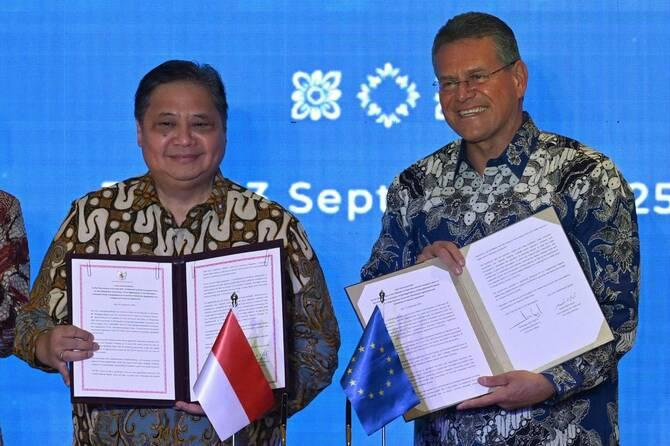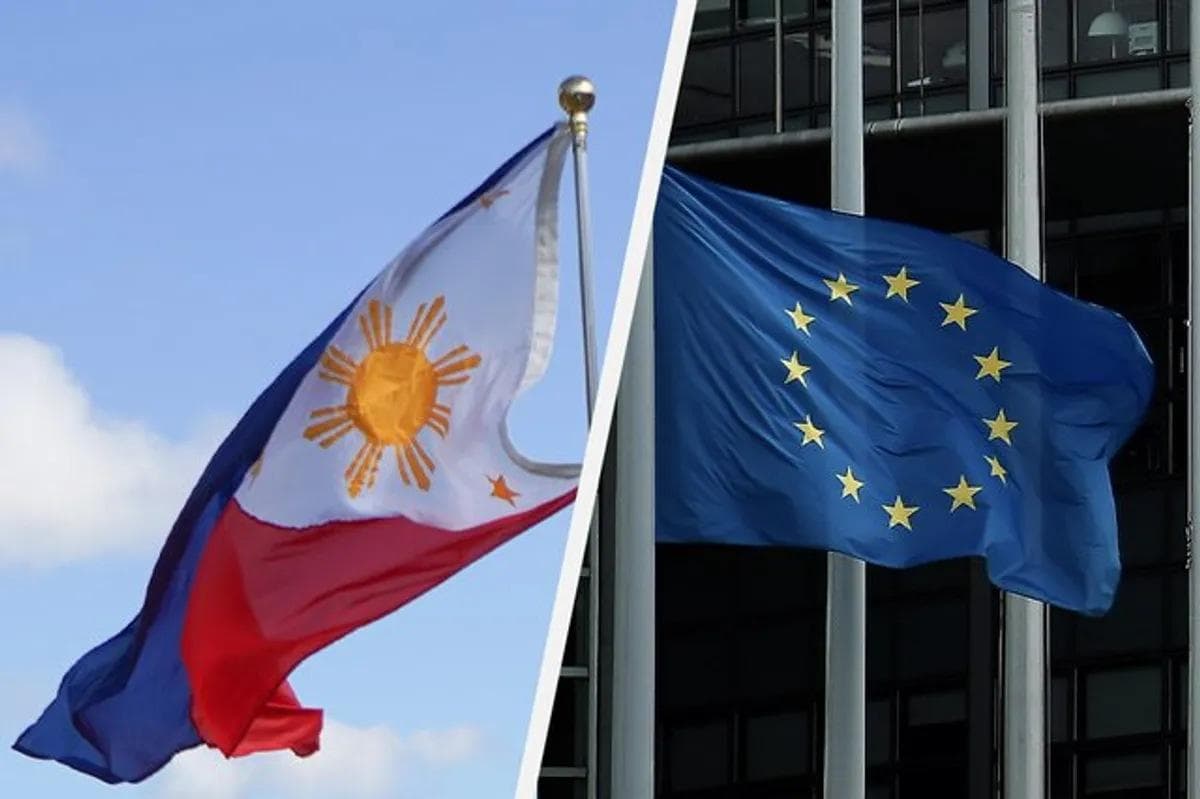
Manila: The Philippines trade deal with the European Union reached what both sides call substantial agreement on 22 September 2026, and it would liberalise more than 94 percent of tariff lines covering over 97 percent of bilateral trade. Trade Commissioner Maroš Šefčovič and Philippine Trade Secretary Maria Cristina Aldeguer-Roque led the announcement, and the Commission says the text should be finalised in the coming months.
The figures come from the Brussels Times and need checking against the Commission’s own documents once tariff schedules are published. EU-Philippines goods trade totalled €17.6 billion in 2025, and services trade reached €10.3 billion in 2024. The Union ranked as the Philippines’ fourth-largest trading partner with 8.3 percent of its goods trade, in a market of 113 million people. European investment stock in the country stands at €15.4 billion, against €2.4 billion of Philippine investment in the EU.
Industrial goods and farm products both stand to gain. European exports to Manila are led by machinery and appliances, transport equipment, and medicines and medical appliances, while pork, poultry, dairy and spirits are named among agrifood lines. Government procurement would open to foreign bidders for the first time, and EU geographical indications would receive protection. The Philippines trade deal also covers digital trade, sanitary and phytosanitary measures, and technical barriers to trade.
Political conditions sit alongside the commercial ones. Human rights and the Paris Agreement are described as essential elements, and the text includes a chapter on trade and sustainable development plus provisions on energy and raw materials that cover renewable investment. These clauses will draw attention in the European Parliament, which must consent before the agreement can apply.
The history explains the urgency. Talks began in 2015, stopped in 2017, and were relaunched after Ursula von der Leyen visited Manila in July 2023, with formal negotiations resuming in March 2024. A sixth round in May 2026 covered market access, services, investment and procurement. Gulf News adds that the Philippines trade deal would replace GSP+ preferences that face a 2027 deadline, and that it would be the Union’s third bilateral agreement with an ASEAN member after Singapore and Vietnam.
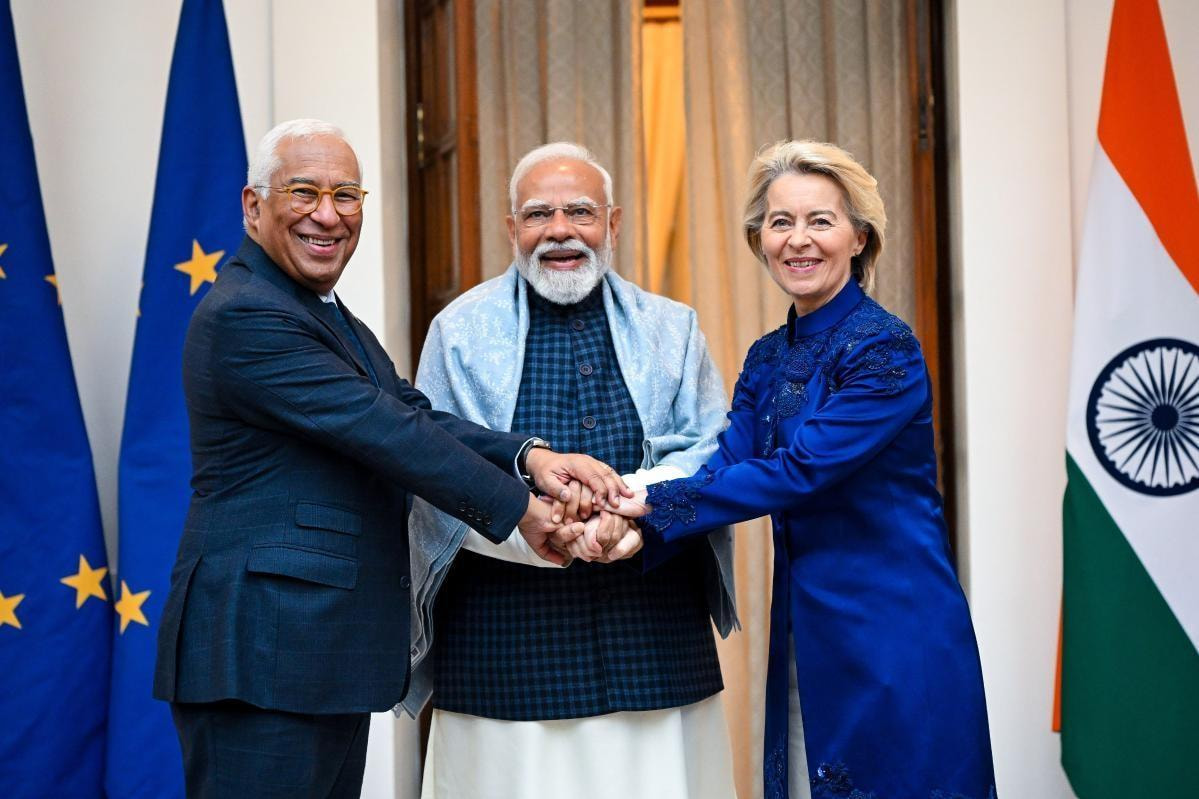
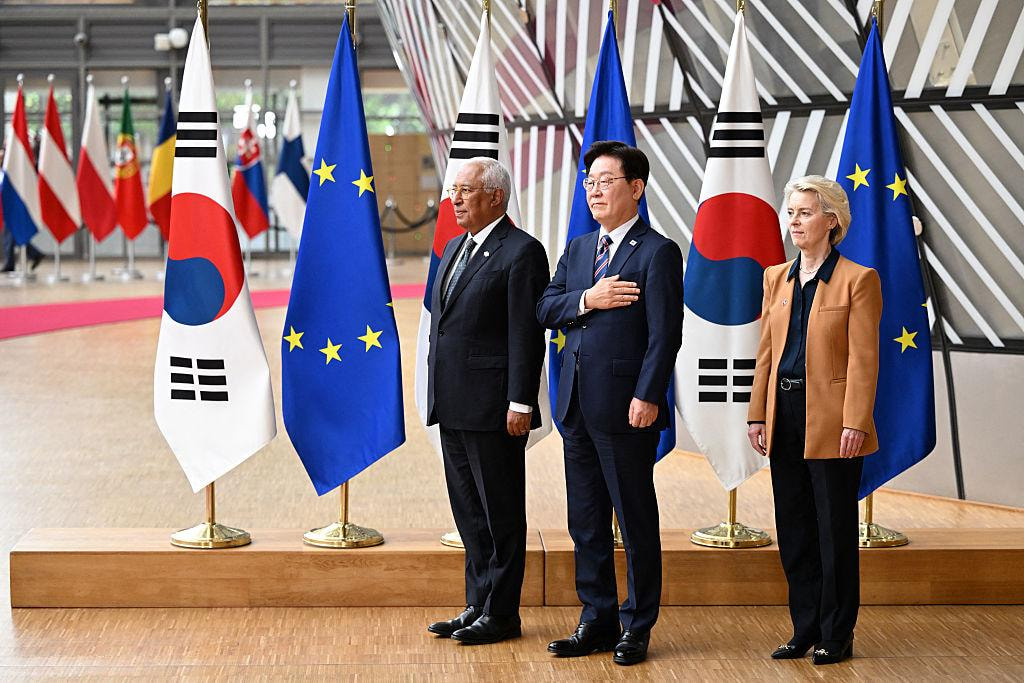
Strategy runs through the tariff lines. Von der Leyen linked the Philippines trade deal to the Philippines’ ASEAN chairmanship and to the 50th anniversary of EU-ASEAN relations next year, and she referred to aggressive maritime claims without naming China. Brussels is using trade to build ties in a region where security and supply chains are closely connected.
Much remains unfinished. Lawyers must complete the legal text and annexes, and nothing changes for exporters until signature, ratification and entry into force. Von der Leyen plans to return to the Philippines for a signing in 2027, subject to those steps. Three markers will show whether the Philippines trade deal stays on schedule: publication of the tariff schedules, a legal text ready for scrutiny, and a confirmed date for the 2027 signing. If they arrive, the Philippines trade deal could replace expiring preferences without a gap.