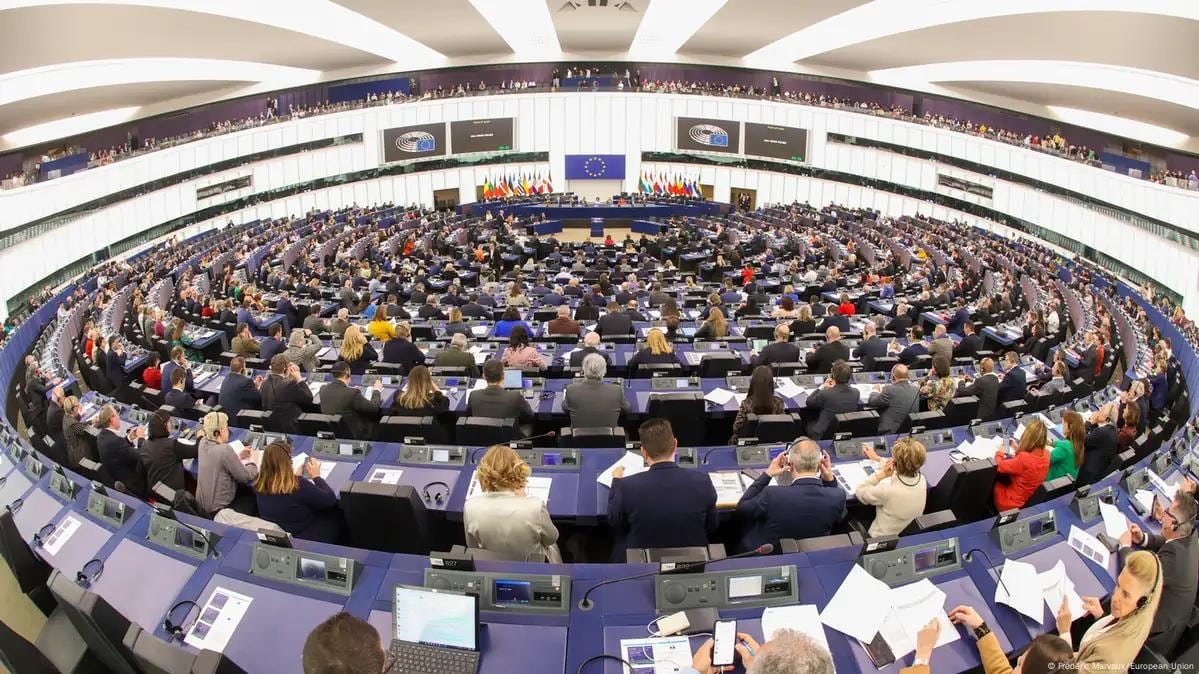
Strasbourg: Parliament’s Environment Committee endorsed the provisional agreement on the EU ETS market stability reserve on 4 November 2026, voting 49 in favour, 12 against and 20 abstentions. The text, which negotiators from Parliament and the Council struck on 20 October, now heads to the full chamber for a vote during the 23 to 26 November plenary session, according to Agence Europe.
The headline change raises the invalidation threshold of the market stability reserve from 400 million to 700 million carbon allowances. Italian Socialists and Democrats member Pierfrancesco Maran steered the file as rapporteur. EU ambassadors in the Council’s Coreper had already approved the compromise on 28 October, so the committee vote closes the second of three political hurdles.
The margin shows a solid majority, but not a unanimous one. Twelve members voted against and twenty abstained, which means nearly four in ten committee members declined to back the deal. The published reports do not say which groups opposed it or what objections they raised, so the reasons for the abstentions remain unclear.
To understand why a single number matters, it helps to recall what the reserve does. The EU Emissions Trading System caps pollution from power plants, factories and airlines, and companies buy allowances at auction or trade them on the market. The market stability reserve, which has operated since January 2019, absorbs surplus allowances so that a glut does not push the carbon price down. Allowances held in the reserve above a set level are invalidated, meaning they disappear permanently.
Raising the invalidation threshold from 400 million to 700 million therefore changes how many allowances the reserve can keep before cancelling them. By implication, the market stability reserve would retain a larger buffer of allowances for longer, instead of destroying them sooner. That reading is our own inference from the published figures, because the reports reviewed do not include an impact assessment or any price forecast.
Formal adoption still requires two steps. Parliament must approve the text in plenary, and the Council must then adopt it formally. Neither institution has published a date for the Council’s final decision, and the reports give no entry-into-force date. Anyone tracking the file should follow the plenary agenda for the November session and the Official Journal afterwards.
Market participants will read the plenary result closely. Utilities that hedge their carbon costs, industrial emitters and traders all watch the supply side of the carbon market, because a change in how many allowances are cancelled affects expectations about scarcity. The vote on the market stability reserve also offers an early signal of how much appetite Parliament has for adjusting the trading system’s rules before wider reviews of the scheme.
Three markers will show where the file goes next. First, the plenary tally in late November will show whether the 49 to 12 committee margin holds across the full chamber. Second, the Council’s formal adoption will fix the legal timetable. Third, the first auction and reserve reports after publication will show how the 700 million threshold works in practice. Until then, the market stability reserve deal remains a political agreement rather than binding law.