November 13, 2026
LATEST
Armenia Economic Resilience Pledge Tests Europe Against MoscowCaribbean Citizenship by Investment Faces Its Schengen ReckoningAI and Democracy Vote Gives MEPs Their Own AI Oversight BodyGlobal Talent Shapes 2026 ERC Synergy Grants of €500 MillionQuality Jobs Act Meets Cool Response From National Labour MinistersReal Household Consumption Expenditure Rose 1.6% Across the BlocSecond EU Enlargement Forum Gathers Sandu, Rama and KoretskyiEducation and Skills Package Puts AI Literacy in SchoolsRail Ticket Sellers Face Split on Digital Booking RegulationSatellite Firms Await EU Space Act Vote After Cyber DealEU-Israel Association Agreement Petition Puts Brussels on a DeadlineClimate Health Risks Expose Uneven Readiness Across EU Member StatesAgri-Food Promotion Policy Wins 476 MEP Votes Against 2027 Funding CutPlatform Counts Face EU Court Test Over DSA Supervisory FeeGoogle AdSense Fine Should Return, EU Court Adviser ArguesCar CO2 Targets Soften as MEPs Back a 95 percent Cut for 2035COP31 Climate Talks in Antalya Test the EU Electrification PitchPayment Fraud Rules Near the Finish Line as MEPs Face the Final VoteVietnam Trade Policy Review Shows EU Pressing Hanoi on Rule ClarityDamascus Forum Puts the EU Syria Partnership on an Investment FootingArmenia Economic Resilience Pledge Tests Europe Against MoscowCaribbean Citizenship by Investment Faces Its Schengen ReckoningAI and Democracy Vote Gives MEPs Their Own AI Oversight BodyGlobal Talent Shapes 2026 ERC Synergy Grants of €500 MillionQuality Jobs Act Meets Cool Response From National Labour MinistersReal Household Consumption Expenditure Rose 1.6% Across the BlocSecond EU Enlargement Forum Gathers Sandu, Rama and KoretskyiEducation and Skills Package Puts AI Literacy in SchoolsRail Ticket Sellers Face Split on Digital Booking RegulationSatellite Firms Await EU Space Act Vote After Cyber DealEU-Israel Association Agreement Petition Puts Brussels on a DeadlineClimate Health Risks Expose Uneven Readiness Across EU Member StatesAgri-Food Promotion Policy Wins 476 MEP Votes Against 2027 Funding CutPlatform Counts Face EU Court Test Over DSA Supervisory FeeGoogle AdSense Fine Should Return, EU Court Adviser ArguesCar CO2 Targets Soften as MEPs Back a 95 percent Cut for 2035COP31 Climate Talks in Antalya Test the EU Electrification PitchPayment Fraud Rules Near the Finish Line as MEPs Face the Final VoteVietnam Trade Policy Review Shows EU Pressing Hanoi on Rule ClarityDamascus Forum Puts the EU Syria Partnership on an Investment Footing

Plahotniuc Sanctions Annulment Stands After EU Court Verdict

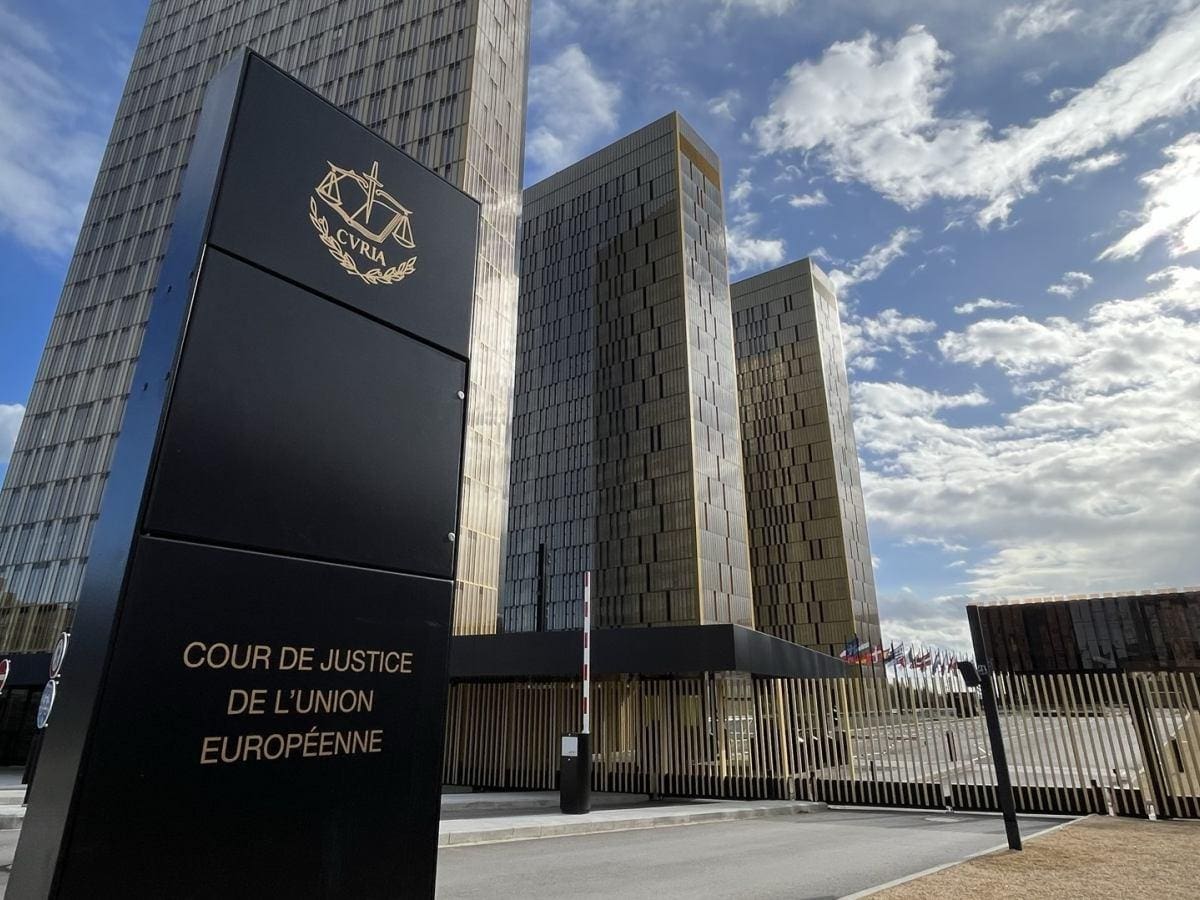
The Plahotniuc sanctions saga closed a long chapter on Thursday when the EU Court of Justice dismissed the Council’s appeal and confirmed that the asset freeze and travel ban imposed on the former Moldovan oligarch in 2023 were unlawful. In case C-897/24 P, judges upheld a General Court ruling that had already struck down the listing in October 2024.

The Plahotniuc sanctions judgment of 12 November 2026 matters well beyond one man. It tests how far the EU can rely on criminal proceedings in a partner country when it targets individuals under its restrictive measures regimes, and it sets a clear limit on that reliance.

Vladimir Plahotniuc, once the most powerful figure in Moldovan politics and the former leader of the Democratic Party, was designated in May 2023 under the EU framework for actions that destabilise the Republic of Moldova. The Council cited two criteria: undermining democracy and the rule of law, and serious financial misconduct concerning public funds. Its reasons pointed to numerous criminal cases opened against him at home.

The General Court first annulled the Plahotniuc sanctions listing in case T-480/23 on 23 October 2024. It found the Council’s wording so ambiguous that it was impossible to tell which criterion actually underpinned the decision. More importantly, it held that the Council had leaned exclusively on decisions of Moldovan authorities without checking whether those proceedings respected his rights of defence and his right to effective judicial protection.

The Council, backed by the High Representative for Foreign Affairs and Security Policy, appealed. The Court of Justice has now rejected that challenge in full. It noted that the Council never showed, in its statement of reasons, that it had verified whether the Moldovan prosecutions respected those fundamental rights, nor did it disclose the outcome of any such check, even though serious irregularities had been raised.

The judges also agreed that the Council breached its duty to state reasons on two key strands of the file. The first concerned criminal proceedings for embezzlement of State funds and their illegal export. The second covered the bank fraud investigations, linked to the 2014 theft of roughly one billion dollars from three Moldovan banks, together with a bribery case involving a former president.

For EU lawyers, the Plahotniuc sanctions ruling reinforces a line of case law built on earlier challenges by former officials and their relatives from Ukraine, Egypt and Tunisia. When the Council bases a listing on judicial proceedings in a third country, it must actively examine whether those proceedings meet basic fair-trial standards. A bare reference to an open investigation is not enough, particularly where the judiciary has a documented history of political capture.

The political context makes the outcome awkward for the EU institutions. Moldova is a candidate country, and the Commission’s 2026 enlargement package placed it among the faster-moving applicants. The EU has invested heavily in judicial vetting and anti-corruption reform there, and the Plahotniuc sanctions were presented as part of a wider effort to shield the country from oligarchic and Russian interference.

Yet the ruling does not clear Plahotniuc of any wrongdoing, nor does it bind Moldovan courts. It addresses only the quality of the Council’s reasoning and its verification duty. The Council remains free to adopt a fresh listing if it can build a file that stands on its own evidence and shows a genuine assessment of the foreign proceedings it cites.

After the Plahotniuc sanctions defeat, officials in the Council’s legal service will have to review other designations under the Moldova regime and similar frameworks that rely heavily on prosecutions in partner states. Sanctions designers face a practical question: how to verify procedural fairness abroad without turning every listing into a parallel trial.

The answer the Court of Justice has given is demanding but coherent. Restrictive measures are preventive tools, not criminal penalties, yet they still bite hard on property and freedom of movement. As the Plahotniuc sanctions judgment shows, the EU can defend its democratic neighbours credibly only if its own measures respect the rights it asks those neighbours to uphold.