November 14, 2026
LATEST
Japan SAFE Participation Bid Waits on Europe’s Content RulesChina Protest Letters Chill MEP Contacts With Taiwan LawmakersHybrid Car Safeguard Probe Tests Europe’s Asian Trade PartnersTaiwan Steel Exports to Europe Shed Their Quota ControlsArmenia Economic Resilience Pledge Tests Europe Against MoscowCaribbean Citizenship by Investment Faces Its Schengen ReckoningAI and Democracy Vote Gives MEPs Their Own AI Oversight BodyGlobal Talent Shapes 2026 ERC Synergy Grants of €500 MillionQuality Jobs Act Meets Cool Response From National Labour MinistersReal Household Consumption Expenditure Rose 1.6% Across the BlocSecond EU Enlargement Forum Gathers Sandu, Rama and KoretskyiEducation and Skills Package Puts AI Literacy in SchoolsRail Ticket Sellers Face Split on Digital Booking RegulationSatellite Firms Await EU Space Act Vote After Cyber DealEU-Israel Association Agreement Petition Puts Brussels on a DeadlineClimate Health Risks Expose Uneven Readiness Across EU Member StatesAgri-Food Promotion Policy Wins 476 MEP Votes Against 2027 Funding CutPlatform Counts Face EU Court Test Over DSA Supervisory FeeGoogle AdSense Fine Should Return, EU Court Adviser ArguesCar CO2 Targets Soften as MEPs Back a 95 percent Cut for 2035Japan SAFE Participation Bid Waits on Europe’s Content RulesChina Protest Letters Chill MEP Contacts With Taiwan LawmakersHybrid Car Safeguard Probe Tests Europe’s Asian Trade PartnersTaiwan Steel Exports to Europe Shed Their Quota ControlsArmenia Economic Resilience Pledge Tests Europe Against MoscowCaribbean Citizenship by Investment Faces Its Schengen ReckoningAI and Democracy Vote Gives MEPs Their Own AI Oversight BodyGlobal Talent Shapes 2026 ERC Synergy Grants of €500 MillionQuality Jobs Act Meets Cool Response From National Labour MinistersReal Household Consumption Expenditure Rose 1.6% Across the BlocSecond EU Enlargement Forum Gathers Sandu, Rama and KoretskyiEducation and Skills Package Puts AI Literacy in SchoolsRail Ticket Sellers Face Split on Digital Booking RegulationSatellite Firms Await EU Space Act Vote After Cyber DealEU-Israel Association Agreement Petition Puts Brussels on a DeadlineClimate Health Risks Expose Uneven Readiness Across EU Member StatesAgri-Food Promotion Policy Wins 476 MEP Votes Against 2027 Funding CutPlatform Counts Face EU Court Test Over DSA Supervisory FeeGoogle AdSense Fine Should Return, EU Court Adviser ArguesCar CO2 Targets Soften as MEPs Back a 95 percent Cut for 2035

Armenia Economic Resilience Pledge Tests Europe Against Moscow

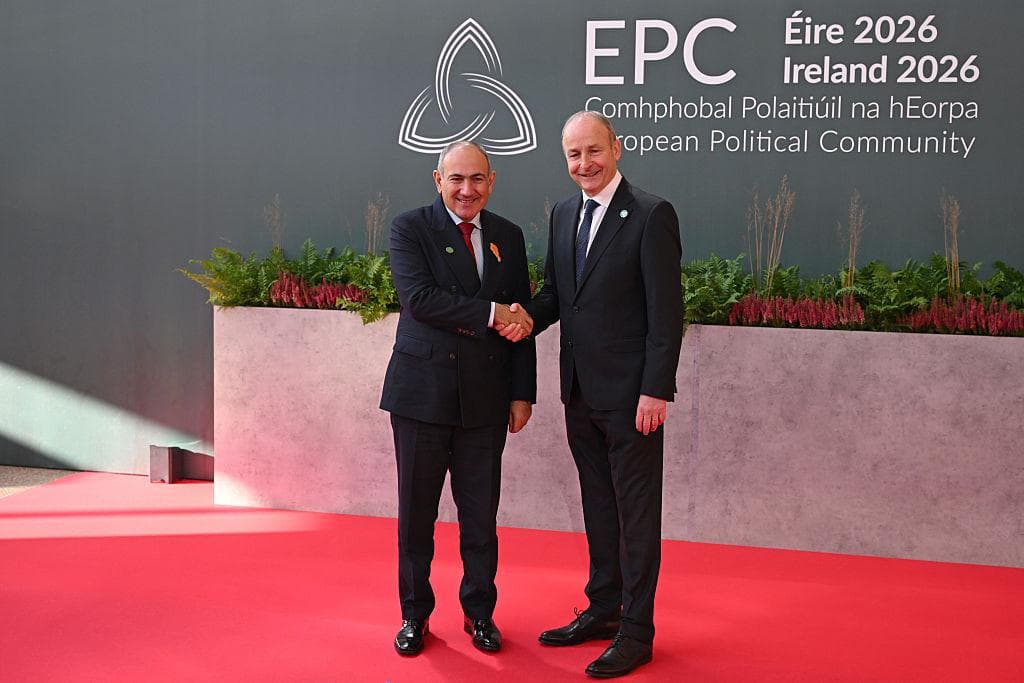
Yerevan: Armenia economic resilience moved to the centre of European diplomacy on 12 November, when a group of European leaders pledged to shield the South Caucasus republic from mounting Russian pressure. Meeting Prime Minister Nikol Pashinyan on the sidelines of the European Political Community gathering in Dublin, the Core Group of Support to Armenia reaffirmed backing for the country’s sovereignty and independence.

The statement was blunt about the source of the strain. Since parliamentary elections five months ago, the leaders said, Moscow has stepped up political and economic pressure on Yerevan. They pointed to restrictions on Armenian exports and to threats against energy supplies, two tools Russia has long used against neighbours drifting west.

Europe’s answer on Armenia economic resilience leans on trade. The leaders highlighted the EU decision to suspend duties on 80% of Armenian exports to the bloc, a step that opens a market large enough to absorb goods now facing Russian barriers. They also pledged to help Yerevan diversify its trade and energy partners, which is where Armenia economic resilience will be won or lost.

The timing reflects a strategic shift in Yerevan. On 6 November Pashinyan said Armenia’s interest in the Russia-led Collective Security Treaty Organization had run its course, and he repeated that Armenia could apply to join the EU in 2027 or 2028. At the same time he stressed that no preparations have begun to leave the Eurasian Economic Union, a reminder of how tightly Armenian trade remains tied to Russia.

That dual position is the core problem for Armenia economic resilience. Armenia cannot swap one economic system for another overnight, and Moscow knows it. Each export ban or energy threat is designed to raise the cost of the westward turn before European alternatives mature. For Brussels, the duty suspension is a useful signal, but trade access alone will not replace a market that still takes a large share of Armenian goods.

Practical cooperation on Armenia economic resilience is filling some of the gap. Armenia signed agreements to deepen tax cooperation with the EU this week, according to regional media, as Russian trade curbs bite. Connectivity is moving too. On 9 November Armenia, Azerbaijan and the United States launched technical planning groups for the TRIPP transit route, a corridor that could link Armenian producers to new markets.

The Dublin statement also backed the Armenia-Azerbaijan peace process and efforts to normalise ties with Türkiye. Both matter for the economy as much as for security. Open borders to the east and west would cut Armenia’s dependence on routes that pass through Russian-aligned space, and they would make European investment far less risky.

What Europe offers next will decide whether these pledges hold. Duty-free access needs to be matched by energy diversification, investment guarantees and support for exporters who lose Russian buyers. If the EU wants a credible partner on its eastern edge, Armenia economic resilience has to become a funded programme rather than a line in a summit statement.