November 14, 2026
LATEST
Japan SAFE Participation Bid Waits on Europe’s Content RulesChina Protest Letters Chill MEP Contacts With Taiwan LawmakersHybrid Car Safeguard Probe Tests Europe’s Asian Trade PartnersTaiwan Steel Exports to Europe Shed Their Quota ControlsArmenia Economic Resilience Pledge Tests Europe Against MoscowCaribbean Citizenship by Investment Faces Its Schengen ReckoningAI and Democracy Vote Gives MEPs Their Own AI Oversight BodyGlobal Talent Shapes 2026 ERC Synergy Grants of €500 MillionQuality Jobs Act Meets Cool Response From National Labour MinistersReal Household Consumption Expenditure Rose 1.6% Across the BlocSecond EU Enlargement Forum Gathers Sandu, Rama and KoretskyiEducation and Skills Package Puts AI Literacy in SchoolsRail Ticket Sellers Face Split on Digital Booking RegulationSatellite Firms Await EU Space Act Vote After Cyber DealEU-Israel Association Agreement Petition Puts Brussels on a DeadlineClimate Health Risks Expose Uneven Readiness Across EU Member StatesAgri-Food Promotion Policy Wins 476 MEP Votes Against 2027 Funding CutPlatform Counts Face EU Court Test Over DSA Supervisory FeeGoogle AdSense Fine Should Return, EU Court Adviser ArguesCar CO2 Targets Soften as MEPs Back a 95 percent Cut for 2035Japan SAFE Participation Bid Waits on Europe’s Content RulesChina Protest Letters Chill MEP Contacts With Taiwan LawmakersHybrid Car Safeguard Probe Tests Europe’s Asian Trade PartnersTaiwan Steel Exports to Europe Shed Their Quota ControlsArmenia Economic Resilience Pledge Tests Europe Against MoscowCaribbean Citizenship by Investment Faces Its Schengen ReckoningAI and Democracy Vote Gives MEPs Their Own AI Oversight BodyGlobal Talent Shapes 2026 ERC Synergy Grants of €500 MillionQuality Jobs Act Meets Cool Response From National Labour MinistersReal Household Consumption Expenditure Rose 1.6% Across the BlocSecond EU Enlargement Forum Gathers Sandu, Rama and KoretskyiEducation and Skills Package Puts AI Literacy in SchoolsRail Ticket Sellers Face Split on Digital Booking RegulationSatellite Firms Await EU Space Act Vote After Cyber DealEU-Israel Association Agreement Petition Puts Brussels on a DeadlineClimate Health Risks Expose Uneven Readiness Across EU Member StatesAgri-Food Promotion Policy Wins 476 MEP Votes Against 2027 Funding CutPlatform Counts Face EU Court Test Over DSA Supervisory FeeGoogle AdSense Fine Should Return, EU Court Adviser ArguesCar CO2 Targets Soften as MEPs Back a 95 percent Cut for 2035

Caribbean Citizenship by Investment Faces Its Schengen Reckoning

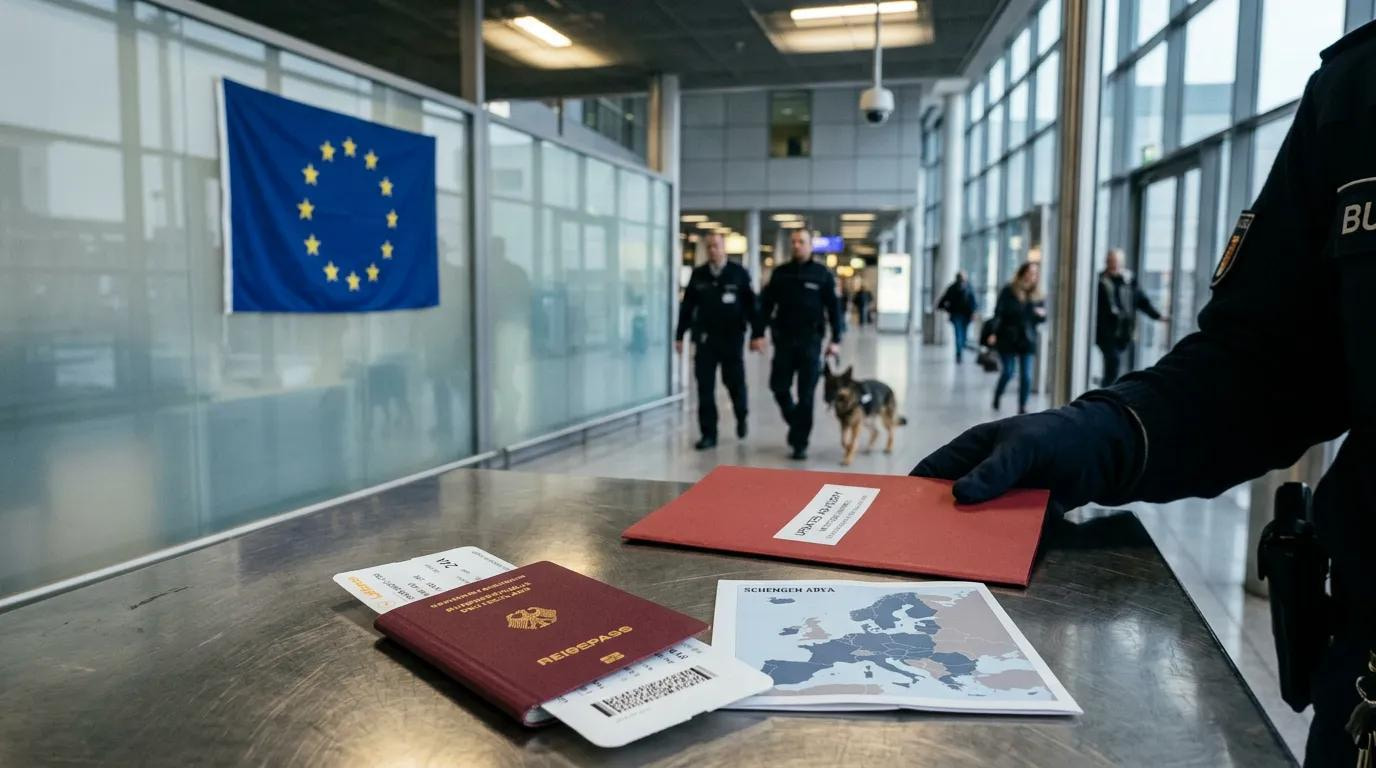
St. George’s: Caribbean citizenship by investment has reached its most delicate moment with Europe, as five Eastern Caribbean governments weigh replies to Brussels on the future of schemes that sell passports and, with them, visa-free entry to the Schengen area. Grenada, Antigua and Barbuda, Dominica, St Kitts and Nevis and Saint Lucia all run such programmes, and all five now face the same question about how much they are willing to give up.

The pressure on Caribbean citizenship by investment has a clear legal base. Regulation (EU) 2025/2441, in force since 30 December 2025, turned investor citizenship into a standalone ground for suspending visa-free travel. A scheme that grants nationality for a set payment, with no genuine link to the country, can now trigger the mechanism on its own. The Commission’s eighth suspension report, published in December 2025, already called these programmes a persistent and serious security concern.

Letters aimed at Caribbean citizenship by investment followed. On 25 June 2026 the Commission asked Antigua and Barbuda to phase out its programme by 1 June 2028, and the four other states reportedly received similar requests. Antiguan Prime Minister Gaston Browne and Saint Lucian Prime Minister Philip J. Pierre both say Brussels wanted answers by 12 November, after an earlier end-October date was pushed back. The Commission has not confirmed that deadline in public.

The replies differ sharply. Browne wrote to Commissioner Magnus Brunner on 30 October that Antigua is prepared to end its scheme, on three conditions: an impact assessment, EU budget and development support, and a transition running to the end of 2030. Pierre says Saint Lucia has answered but will not publish its letter. Dominica promised a reply by 12 November, and St Kitts and Nevis Prime Minister Terrance Drew scheduled a national address for 13 November.

Grenada sits in the most awkward position. Prime Minister Dickon Mitchell won 14 of 15 seats in the 5 November election and was sworn in on 8 November. His message on Caribbean citizenship by investment is that St. George’s would like to maintain both its programme and its Schengen access. That hope collides with the logic of the new regulation, which treats the sale of passports itself as the risk.

Member states are not speaking with one voice on Caribbean citizenship by investment either. In a written reply published on 6 November, the Dutch foreign ministry said the Netherlands wants all five programmes abolished. Yet it also said it had no information that the EU had formally set a deadline, and that no Commission proposal to suspend visa-free access for any of the five currently exists.

That gap matters for Caribbean citizenship by investment. Suspension is not automatic, since the Commission must show that it is necessary and proportionate, and the next report is due in December 2026. Brussels therefore holds leverage without having used it, while island treasuries that lean on passport revenue weigh a slow exit against a sudden loss of mobility for every citizen.

The likeliest outcome is a negotiated wind-down rather than a cliff edge. Antigua’s conditional offer already sketches the terms: time, money and an honest account of fiscal damage. For Europe, the test is whether it can close a security loophole without punishing small states for a business model it tolerated for years. For the region, the end of Caribbean citizenship by investment as a route into Schengen now looks like a question of when, not whether.