
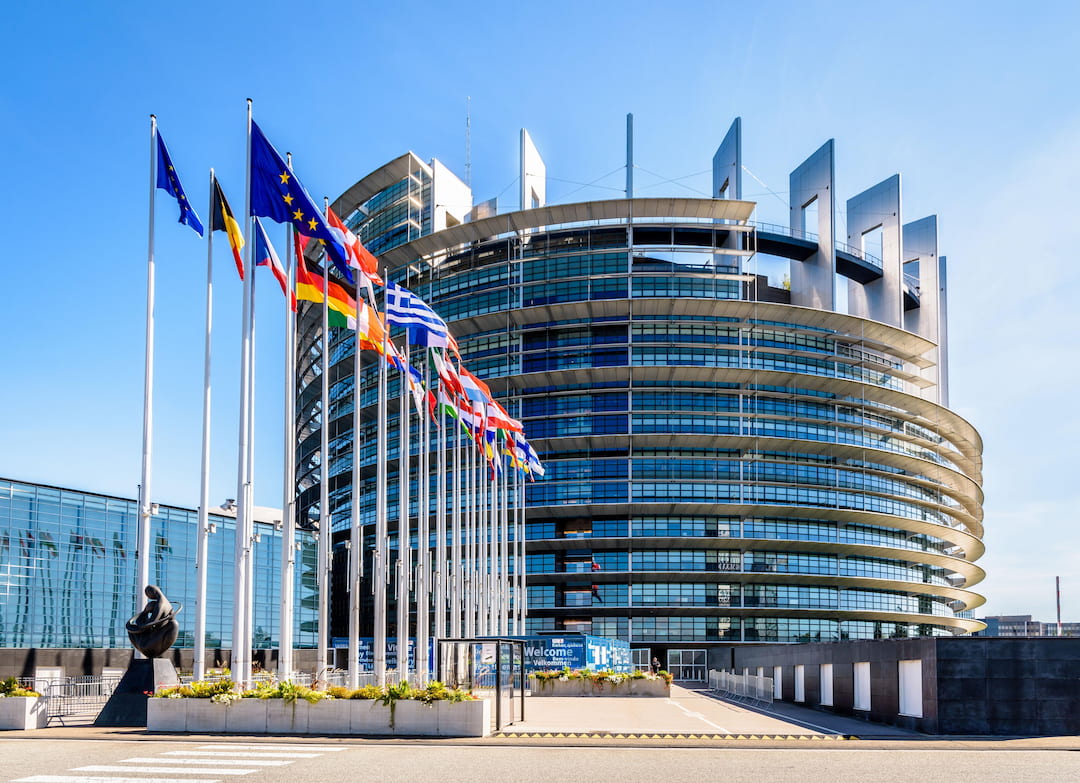
Global AI governance was the subject of a 90-minute debate in the European Parliament on 22 October 2026, and it quickly turned into an argument about a directive that no longer exists. Commissioner Jozef Síkela, speaking for the Commission, told MEPs in Strasbourg that artificial intelligence knows no border and that international engagement is essential. Several lawmakers answered that Europe cannot lead abroad while it has dropped liability rules at home.
The AI Liability Directive, which would have created a civil liability regime for damage caused by AI systems, was withdrawn by the Commission in 2025. Síkela said the Commission had supported it, but that the Council was reluctant, the co-legislators did not reach agreement and a deal is not expected soon. He pointed to the AI Act and the revised Product Liability Directive as partial cover, and said some of the envisaged provisions had been incorporated into other legislation.
Critics were not satisfied, and they tied global AI governance directly to consumer redress. Italian Socialist Brando Benifei, a lead negotiator on the AI Act, noted that the Act contains no general civil liability regime, since fines do not compensate victims, and urged the Commission to resume work. Dutch Green Kim van Sparrentak argued that AI companies should face the same manufacturer liability as other product makers. Benifei’s group also wants an extraordinary interinstitutional summit on AI that includes company executives, scientists and trade unionists.
On the international side, proposals ranged widely. German MEP Sergey Lagodinsky called for a binding agreement built on the Hiroshima AI Process that includes the United States and China, comparing it to arms control treaties. Conservative Axel Voss suggested an IAEA-style inspection regime with mandatory pre-market testing, incident notification and liability requirements. Maltese Socialist Alex Agius Saliba proposed a Global Forum with the major tech powers. Earlier in October, the Committee on Constitutional Affairs backed a proposal for an AI agreement inspired by nuclear non-proliferation, so global AI governance has attracted ambitious ideas even without a settled form.
Centre-right voices stressed competitiveness in global AI governance. Arba Kokalari, a Swedish co-rapporteur on the AI Omnibus, argued that AI models entering the EU market must already comply with the AI Act, and that Europe must also lead in AI development if it wants to shape the rules. Her Irish counterpart Michael McNamara said the Union must keep talking to China and to its allies in the United States.
The takeaway on global AI governance is a broad consensus on engagement and a deep split on method. Some MEPs want binding treaties and liability first, while others want the EU to build its own AI industry before it writes the world’s rules. Whether the Commission revisits liability, and how the AI Omnibus talks shape the Parliament’s stance, will decide how credible Europe’s voice on global AI governance becomes.


