Rising Ethiopia Eritrea tensions pushed the European Union to issue a sharp warning on 5 October 2026. High Representative Kaja Kallas, speaking on behalf of the EU, said continued violence in Ethiopia and heightened friction with Eritrea could trigger a broader regional conflict in the Horn of Africa.
The statement calls for immediate de-escalation on all fronts and asks every party to avoid actions or rhetoric that could raise tensions. It also urges the parties to the Permanent Cessation of Hostilities Agreement, known as CoHA, to recommit to its full implementation within the African Union framework. The agreement was signed in 2022 under African Union mediation to end fighting between Ethiopia’s federal government and Tigrayan forces.
The text treats the Ethiopia Eritrea tensions as a humanitarian risk as much as a military one, and it puts humanitarian concerns near the top. It says international humanitarian law must be respected, civilians must be protected at all times and humanitarian access must be unhindered. Those lines matter because renewed fighting in or around Tigray would quickly cut aid routes to communities that still depend on them. The EU does not give casualty or displacement figures, so the warning rests on risk rather than on a count of victims.
The EU also takes a firm position on sovereignty. It reaffirms the sovereignty and territorial integrity of all states and asks external actors to refrain from interference, use their influence to prevent escalation and pursue political solutions. That wording points beyond Addis Ababa and Asmara to the wider set of governments that hold leverage over the Horn of Africa.
Notably, the statement answers the Ethiopia Eritrea tensions with diplomacy rather than penalties. It does not announce sanctions, new funding or a named envoy, and it states only that the EU is ready to support diplomatic efforts toward dialogue and peaceful conflict resolution. The Union frames its role as supporter of the African Union process, not as a lead mediator.
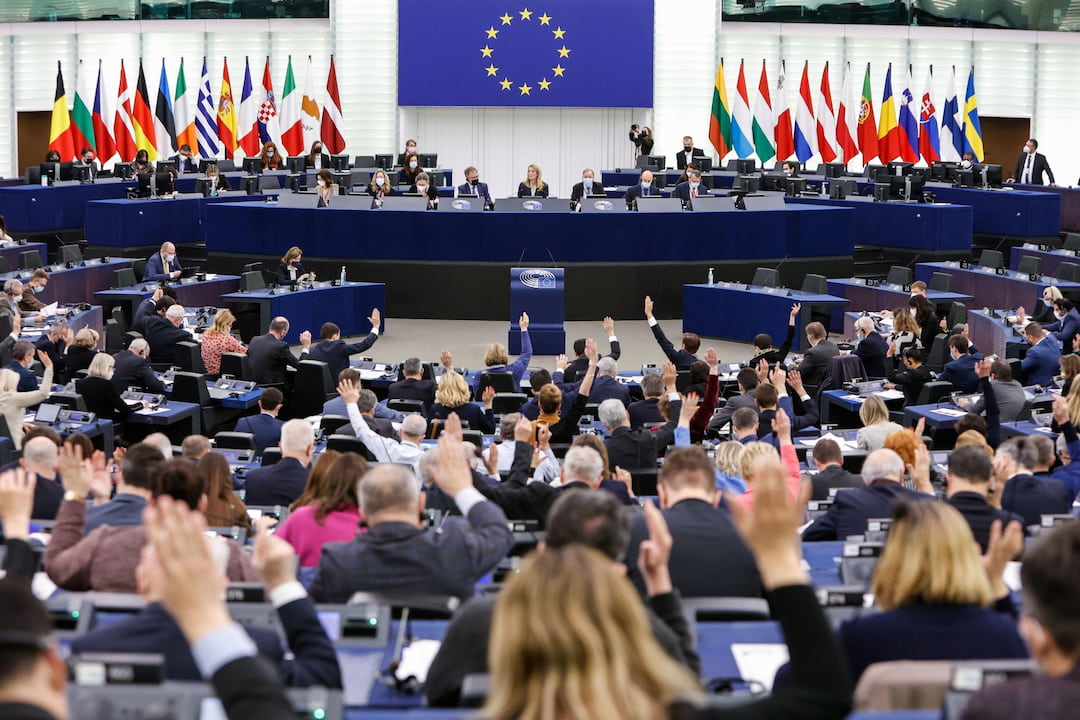
The timing gives the message extra weight. The Council scheduled a press briefing on 9 October ahead of the Foreign Affairs Council of 12 October 2026, which means ministers can discuss the Ethiopia Eritrea tensions in person within days of the statement. Foreign ministers rarely settle a crisis in one session, but they can agree how far the EU should move beyond words.
The statement also reveals what the EU says it wants from the region. It describes a commitment to regional stability, peaceful cooperation and economic integration in the Horn of Africa. That language links security to trade and development, an approach that fits the Union’s broader preference for partnership over confrontation. It also shows why the Ethiopia Eritrea tensions worry Brussels: a wider conflict would damage the very integration that the EU says it wants to support.
Several tests lie ahead for European diplomats. The EU must show that its call for CoHA implementation carries weight with the African Union, and it must prepare humanitarian planning in case the violence spreads. It must also keep a unified line among twenty-seven member states with differing interests in the Red Sea corridor.
For now, the statement sets a marker rather than a policy. How the Foreign Affairs Council responds will show whether Brussels treats the Ethiopia Eritrea tensions as a passing flare-up or as a crisis that demands a sustained diplomatic effort.