
November 21, 2026
LATEST
Serbia EU Accession Gets a Second Wind After the Student List WinSyria Association Agreement Revived With Conditions on RightsDemining in Armenia Gains a Second EU Remote-Controlled UnitIntegrated Border Management Review Shapes Rules to 2032Civil Protection Mechanism Reform Wins Council BackingEl Niño Preparedness Money of €13.5 Million Puts Somalia at the FrontDomestic Lenders Hold 69% of EU Government Debt in Czechia and SwedenErasmus+ 2027 Call Puts €5.3 Billion Behind Teachers and UK ReturnMobile Satellite Services Deal Moves 2 GHz Fees to CapitalsBoone and Brunnermeier Enter the ECB Executive Board RacePlastic Waste Export Ban Shuts Non-OECD Doors Until 2029Ukrainian Local Authorities Win a Formal Voice in EU Accession TalksLargest Ukraine Facility Disbursement Rewards 20 Kyiv Reform StepsNigeria Power Sector Talks Push EU Partners Toward Grid InvestmentShared Mediterranean Maritime Security Gets a Brussels Forum at LastEU-Japan Financial Regulation Talks Put AI and Cyber Risk on the TableEU-Korea Green Partnership Turns to Carbon Pricing and Offshore WindMoldova Air Defence Draws €317 Million From the Peace FacilityUkraine Peace Talks Team Pairs the E5 With Brussels, Not One EnvoyHungary Recovery Fund Wins Nod as 126 of 127 Targets Are MetSerbia EU Accession Gets a Second Wind After the Student List WinSyria Association Agreement Revived With Conditions on RightsDemining in Armenia Gains a Second EU Remote-Controlled UnitIntegrated Border Management Review Shapes Rules to 2032Civil Protection Mechanism Reform Wins Council BackingEl Niño Preparedness Money of €13.5 Million Puts Somalia at the FrontDomestic Lenders Hold 69% of EU Government Debt in Czechia and SwedenErasmus+ 2027 Call Puts €5.3 Billion Behind Teachers and UK ReturnMobile Satellite Services Deal Moves 2 GHz Fees to CapitalsBoone and Brunnermeier Enter the ECB Executive Board RacePlastic Waste Export Ban Shuts Non-OECD Doors Until 2029Ukrainian Local Authorities Win a Formal Voice in EU Accession TalksLargest Ukraine Facility Disbursement Rewards 20 Kyiv Reform StepsNigeria Power Sector Talks Push EU Partners Toward Grid InvestmentShared Mediterranean Maritime Security Gets a Brussels Forum at LastEU-Japan Financial Regulation Talks Put AI and Cyber Risk on the TableEU-Korea Green Partnership Turns to Carbon Pricing and Offshore WindMoldova Air Defence Draws €317 Million From the Peace FacilityUkraine Peace Talks Team Pairs the E5 With Brussels, Not One EnvoyHungary Recovery Fund Wins Nod as 126 of 127 Targets Are Met

Civil Protection Mechanism Reform Wins Council Backing

The EU civil protection mechanism moved a step closer to its biggest overhaul in years on 20 November 2026, when member states agreed a partial negotiating position on the regulation that will govern it under the 2028-2034 budget. The Council of the EU can now open talks with the European Parliament on how Europe prepares for, and responds to, disasters that cross borders and sectors.

The position is partial for a simple reason. Ministers left the money for the civil protection mechanism out of the text. Financial allocations and cross-cutting budget questions stay frozen until governments settle the wider multiannual financial framework, so the Council has agreed the architecture of the reform without yet deciding what it will cost.

That architecture still matters. The Commission first tabled the proposal on 17 July 2025 as part of its package for the next long-term budget. It folds civil protection and health emergency preparedness into a single instrument, ending a split in which part of the health work sits inside the EU4Health programme while disaster response runs through a separate channel.

Today the civil protection mechanism coordinates aircraft, rescue teams and supplies after wildfires, floods and earthquakes. The reform widens that remit to cover preparedness for terrorist attacks and for chemical, biological, radiological and nuclear threats. In practice, governments want one toolbox for the kinds of shocks that dominated planning debates after the pandemic and the war in Ukraine.

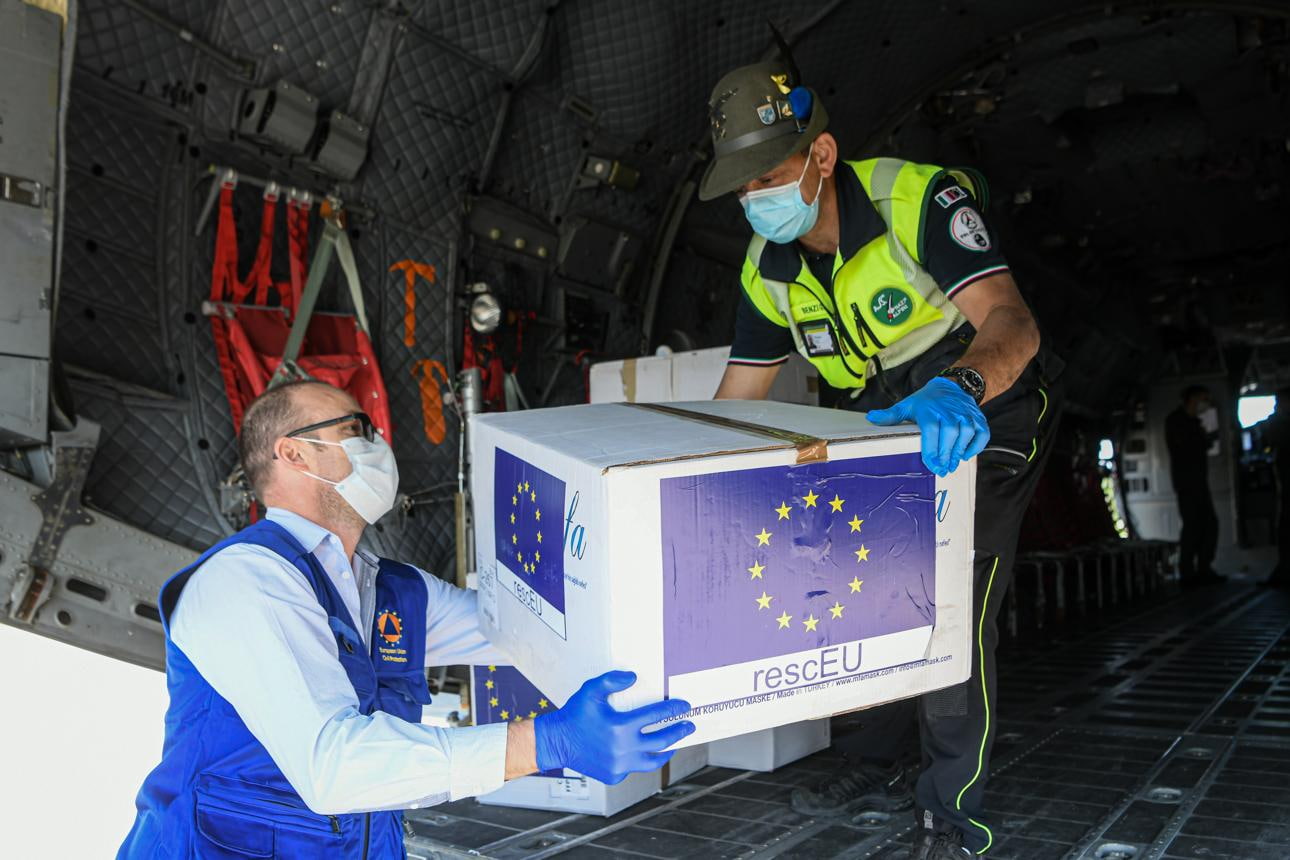
Medical reserves form the most concrete part of the package. The text foresees EU-level emergency stockpiles of medicines, vaccines, masks and protective gloves, a direct answer to the shortages that left hospitals competing for equipment in 2020. Contract values, purchase volumes and delivery schedules remain open, as does the split between stockpiles and other civil protection activities.

Member states also reshaped one element of the Commission’s design. Instead of a free-standing hub, a new analysis and support unit for the civil protection mechanism will sit inside the Emergency Response Coordination Centre, the Commission’s existing 24-hour operations room. The unit will track emerging crises of exceptional scale that hit several sectors at once, such as a grid failure that disrupts hospitals, transport and water supplies together.

Civil-military coordination gets a firmer footing too. The Council keeps the civil protection mechanism civilian in character, but the Commission could support structured cooperation with armed forces through joint training and shared lessons. That balance reflects a debate in several capitals, where defence ministries already supply helicopters, field hospitals and logistics during major emergencies.

For the Irish presidency, the agreement delivers a building block of the 2028-2034 budget before the end of its term. For the Parliament, it sets the opening bid in negotiations where MEPs are likely to press for stronger guarantees on funding levels and on the speed of deployment.

The harder fight lies ahead. Every new task, from stockpiles to CBRN preparedness, competes for money in a budget that must also finance defence, competitiveness and the repayment of the NextGenerationEU recovery debt. A broader mandate without matching resources would leave the reform looking stronger on paper than in the field.

The verdict on the civil protection mechanism will therefore come in the budget talks rather than in this mandate. If governments fund what they have now agreed in principle, Europe will enter the next decade with a shared emergency system that reaches well beyond forest fires and floods.