The Schengen suspension that Italy imposed on travel from Spain has turned a border emergency in North Africa into a test of Europe’s free-movement promise. Rome ordered targeted checks on air and sea arrivals from Spanish territory after more than 60,000 people crossed from Morocco into the enclave of Ceuta, the largest single surge of irregular arrivals the bloc has recorded.
Interior Minister Matteo Piantedosi framed the move as targeted and selective, aimed at non-EU travellers, and said the controls would run through August. The step is legal under the Schengen Borders Code, which lets a member state reintroduce internal checks temporarily when it sees a serious threat to public policy. Italy argues that Spain lost control of an external frontier, so the risk now travels north.
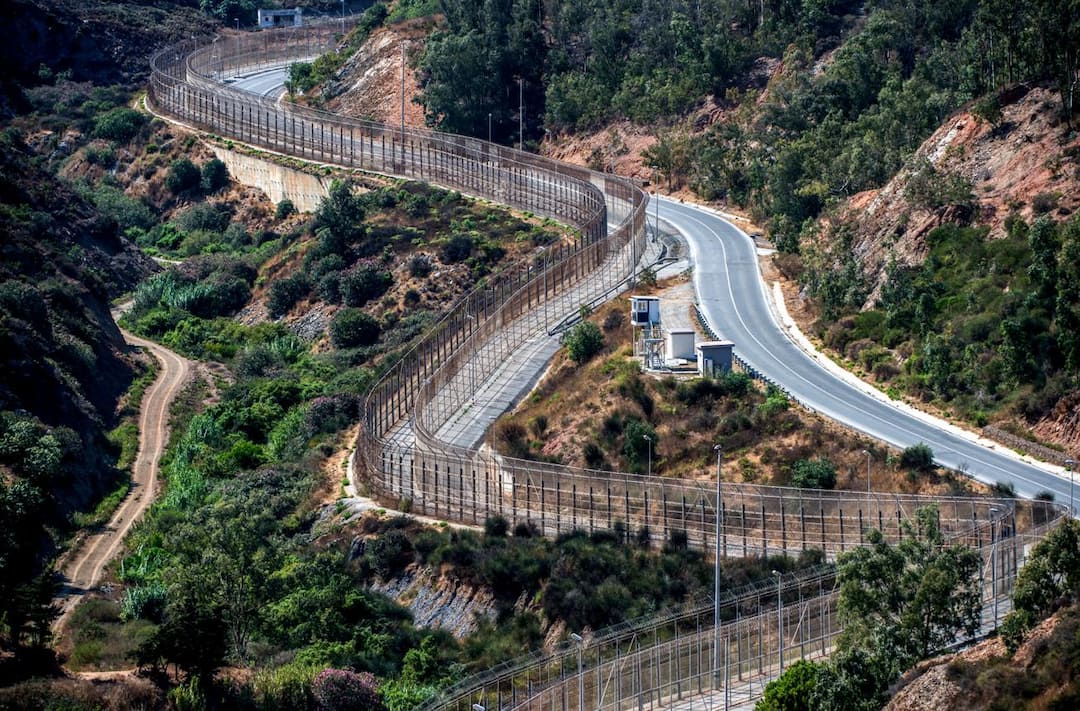
Madrid rejects that reading. Prime Minister Pedro Sanchez told partners that solidarity and empathy are optional, while respect for European treaties and the facts is not, a pointed reminder that Ceuta’s fence marks one of the bloc’s hardest external borders. At least 72 people died in the crossing, a toll that hardens the argument on both sides.
The clash exposes the gap the new Pact on Migration and Asylum was meant to close. The pact, which took effect on 12 June 2026, created a mandatory solidarity pool for 2026 of 21,000 relocations or 420 million euros in payments, letting governments relocate applicants, send money, or offer other support. Officials named Spain, Italy, Greece and Cyprus as the front-line states meant to benefit.
Ceuta shows how thin that cushion looks against a surge measured in tens of thousands. A pool of 21,000 places spread across the whole Union cannot absorb a single event of this scale, and the choice governments enjoy, cash instead of people, lets reluctant capitals avoid hosting anyone at all. Negotiators built the design for steady pressure, not a shock.
The politics now run against the pact’s intent. Rather than sharing Spain’s burden, several governments have floated suspending Madrid from Schengen over its border-control failures, and Italy’s checks give that mood a concrete form. Each reintroduced control invites a mirror response, and the machinery of passport-free travel starts to seize.
The Commission has tried to hold the line, insisting that migrants who entered Ceuta irregularly will not reach the mainland and that internal checks must stay exceptional and time-limited. Brussels can review Italy’s notification, yet it holds few tools to force a member state to lift controls it defends on security grounds. That weakness drives the whole episode.
What happens next depends less on Ceuta than on whether capitals treat solidarity as a duty or a favour. If they choose favour, the Schengen suspension between two founding members will read as a precedent rather than an exception, and the next surge will meet a border system already braced to close.