The European Parliament adopted a Vukovar resolution on Thursday 26 November 2026, formally recognising at EU level for the first time the 1991 siege and destruction of the Croatian town. MEPs approved the text in Strasbourg by what Croatian EPP member Karlo Ressler described as a large majority, eight days after Croatia marked the 35th anniversary of the town’s fall on 18 November.
The Vukovar resolution carries direct consequences for Serbia’s path to membership. It calls on Belgrade to open its war archives, disclose information on individual and mass graves, fight impunity and adopt a long-awaited law on missing persons. It also condemns the glorification of convicted war criminals, a point Tonino Picula tied to the public tributes paid at the funeral of Ratko Mladić in Belgrade.
Croatian MEPs from four political groups drafted the joint motion: Karlo Ressler of the EPP, Tonino Picula of the S&D, Stephen Nikola Bartulica of the ECR and Gordan Bosanac of the Greens. Every Croatian member signed it, and five MEPs from Sweden, Germany, Spain, Austria and Belgium added their names. That cross-party spread gave the Vukovar resolution a broader base than a purely national initiative.
Picula’s role matters for the enlargement file, because he also serves as Parliament’s rapporteur for Serbia. During Monday’s debate he called Vukovar part of European history and the European conscience, and argued that no serious rapprochement with the Union can happen without addressing the past. He described the crimes at Ovčara, Velepromet and detention camps in Serbia as established facts.
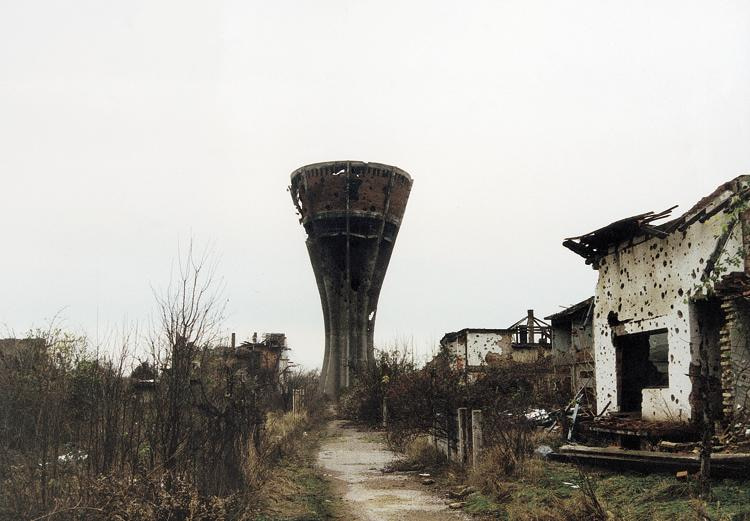
The resolution describes Vukovar as the first European city since the Second World War to be literally destroyed by nearly three months of siege and heavy bombardment. It links Vukovar in 1991 and Srebrenica in 1995 to the European promise of never again, and it rejects the claim that the town was deliberately sacrificed.
The humanitarian numbers explain why the archives demand sits at the centre of the Vukovar resolution. Croatia is still searching for 1,725 people missing from the war. In 1,341 cases families do not know what happened to their relatives, while 384 deaths are confirmed but the burial sites remain unknown. Relatives of the missing, former camp prisoners and Vukovar representatives travelled to Strasbourg to watch the vote.
Not everyone in the region welcomed the Vukovar resolution. The Student List in Serbia argued that the draft ignored Serbian civilian suffering and the 1995 operations Flash and Storm, and rejected any notion of collective responsibility for the Serbian people. That criticism previews the domestic resistance Belgrade will cite if pressed to act.
For the Commission and member states, the vote adds a parliamentary benchmark to Serbia’s accession talks, where rule of law and reconciliation chapters already weigh heavily. Opening archives and passing the missing persons law are concrete, measurable steps. Whether the Vukovar resolution changes Belgrade’s behaviour will depend on whether EU capitals choose to tie those steps to progress in the negotiations.