Athens: The European Commission decided on 19 November 2026 to refer Greece to the Court of Justice of the EU because the country still lacks the aircraft identification capability that EU air traffic rules require. The move escalates an infringement case that Brussels opened almost two years ago and puts Greek air navigation modernisation under a legal spotlight.
At the heart of the dispute sits Commission Implementing Regulation (EU) 2017/373, which sets common requirements for providers of air traffic management and air navigation services. The Commission says Greece has failed to ensure that its certified air navigation provider can let controllers identify individual aircraft through the downlinked aircraft identification system, widely known as Mode S.
Mode S aircraft identification lets each plane transmit its own identity to ground radar, so controllers no longer need to assign and track temporary transponder codes. The Commission argues that the technology strengthens surveillance, improves controller efficiency and flight safety, and increases airspace capacity. It also makes Greek airspace interoperable with neighbouring EU states that already rely on it.
Brussels followed the standard infringement path before taking the aircraft identification dispute to court. It sent Greece a letter of formal notice in December 2024 and a reasoned opinion in December 2025. The Commission now says Athens made some progress but that its efforts remain insufficient to meet the obligations in the air navigation services regulation.
The Greek government has played down the decision. Sources at the Ministry of Infrastructure and Transport said the referral does not amount to a conviction and does not automatically trigger a fine. They added that the Commission identified no interruption to existing air traffic control systems.
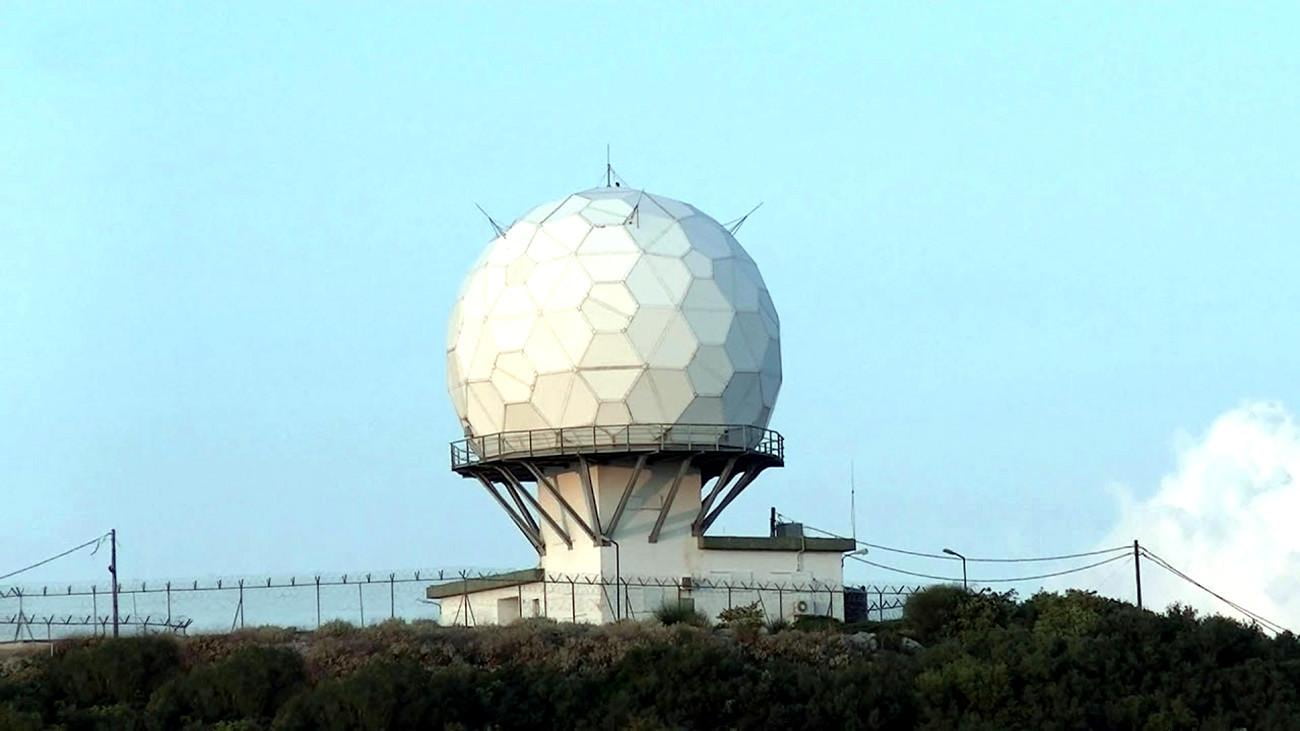
The Hellenic Civil Aviation Authority confirmed that a contract for the new radar systems that would deliver aircraft identification still awaits signature. Ministry sources described the signature as only an intermediate step, since engineers must then install the radars, connect them to existing control centres and complete operational tests. They gave no completion date for that work.
Athens points to other upgrades signed during 2026 under Minister Christos Dimas. These include a €3.8 million agreement for a communications and voice recording system at the Athens and Macedonia area control centres and a contract for performance-based navigation procedures at 31 airports. Negotiations on the TopSky ATC One system continue with its manufacturer.
The case matters well beyond Greece. Greek airspace carries heavy summer tourist traffic and links central Europe with the eastern Mediterranean, so any shortfall in aircraft identification and capacity ripples through the wider network. Airlines have repeatedly blamed air traffic control bottlenecks for delays across the continent.
If the Court of Justice finds against Greece, the government must comply quickly or risk a second infringement procedure that can end in financial penalties. To close the file, Greek authorities must finish the technical work and show that aircraft identification through Mode S has entered operational service across the controlled airspace.