Maastricht: The European Commission sent fresh Single European Sky warnings to 12 member states on 19 November, stepping up legal cases that accuse national governments of failing to apply EU air traffic management rules correctly. Belgium, Denmark, Germany, France, Croatia, Italy, Luxembourg, Malta, the Netherlands, Austria, Poland and Romania each received an additional letter of formal notice in the Commission’s November infringements package.
The cases rest on the two founding regulations of the Single European Sky, Regulation (EC) No 549/2004 and Regulation (EC) No 550/2004, together with Implementing Regulation (EU) 2019/317. That implementing act lays down the performance and charging scheme for air navigation services, the system that sets targets for safety, capacity, flight efficiency and cost and then links them to the route charges airlines pay.
The Commission opened the files in 2024, according to their case numbers. An additional letter of formal notice means Brussels has widened or sharpened its complaint after studying earlier national replies. The 12 governments now have two months to respond, and unconvincing answers could bring reasoned opinions and, ultimately, referrals to the Court of Justice of the EU.
The scheme matters because it shapes what passengers pay and how long flights wait. Under the Single European Sky performance and charging scheme, national supervisory authorities draw up performance plans with local targets that must fit the Union-wide goals. The Commission checks those plans for consistency, and each authority submits a monitoring report by 1 June every year.
The current fourth reference period runs from 2025 to 2029. For this Single European Sky period the EU set a target for en-route air traffic flow management delay of 0.9 minutes per flight in 2025, falling to 0.5 minutes in 2028 and 2029. It also demands a 1.2% year-on-year cut in the unit cost that airspace users pay, and an en-route flight efficiency target that tightens from 2.80% to 2.66%.
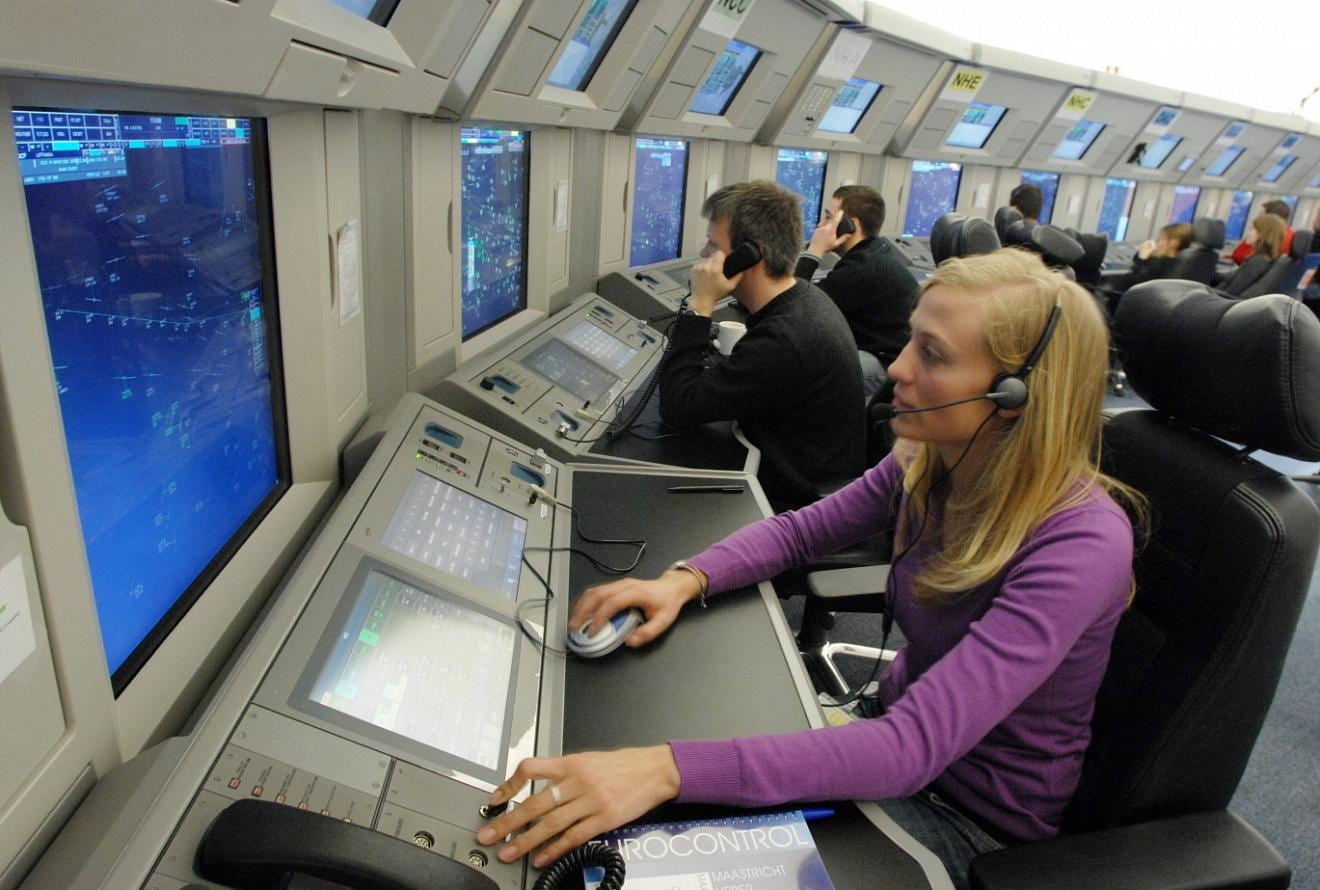
Many of the states named this week sit at the heart of Europe’s busiest airspace. The core area stretching from the Benelux through Germany and France to Austria and northern Italy carries a large share of European traffic, and delays there ripple across the whole network. EUROCONTROL’s Maastricht Upper Area Control Centre, for example, manages the upper airspace over Belgium, the Netherlands, Luxembourg and north-west Germany.
Airlines have long argued that fragmented national air traffic control drives up costs and emissions. EU lawmakers revised the Single European Sky framework in 2024 through Regulation (EU) 2024/2803, aiming to strengthen independent oversight and push providers towards common targets. The older 2004 regulations still apply transitionally for the current reference period, which explains why the Commission cites them in these cases.
The same package also referred Greece to the Court of Justice over aircraft identification rules and sent letters on road charging under the amended Eurovignette Directive to seven member states. Taken together, the transport decisions show the Commission using infringement tools across several modes at once.
For travellers, the stakes are practical. Every minute of air traffic delay costs airlines money and adds emissions, so national compliance with Single European Sky targets feeds directly into fares and punctuality. Once the two-month deadline passes, the Commission will judge whether the 12 replies justify closing the cases or escalating them.