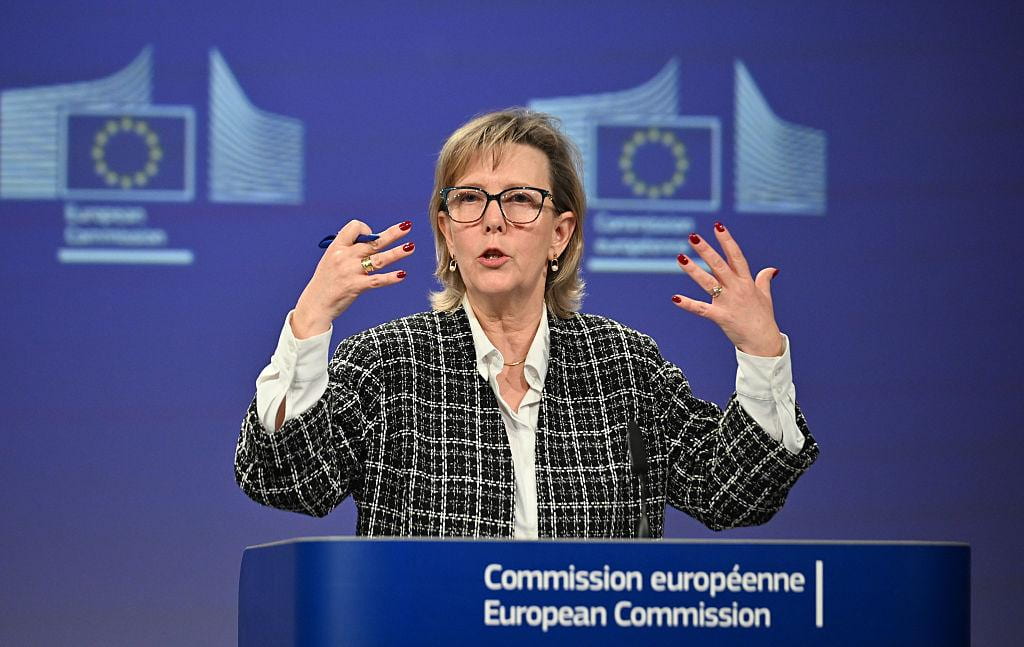
Amsterdam: The European Commission will present its banking competitiveness package in the first quarter of 2027, Commissioner Maria Luís Albuquerque said on 22 October 2026, while she urged governments to move faster on capital market integration. The banking competitiveness package aims to cut unnecessary complexity, improve proportionality and make cross-border banking easier, according to Lovguiden’s summary of her speech.
Albuquerque did not describe the content of the banking competitiveness package. She said that the Commission is not pursuing competitiveness at the expense of financial stability, a line that answers critics who fear a rollback of post-crisis safeguards. The speech gave no figures on costs or financing.
The banking competitiveness package follows the Commission’s report on the competitiveness of the EU banking sector, published on 17 July 2026. Finance Watch, which responded the same day, says the most concrete proposals concern capital requirements and that the report dials back ambitions for deposit insurance (EDIS) and MREL burden-sharing rules. The Commission frames the effort as part of meeting annual investment needs of 1.2 trillion euros.
Critics push back. Julia Symon, head of research and advocacy at Finance Watch, said the report “targets the hard-won post-2008 safeguards that keep banks resilient”. Finance Watch points to a softer output floor, a diluted fundamental review of the trading book and weaker Pillar 2 supervision. It argues that higher profits at EU banks than at US peers have gone to shareholder payouts rather than a lending boom.
Albuquerque also covered the Market Integration and Supervision Package that the Commission presented on 4 December 2025. It contains a regulation and a directive on capital market integration and supervision, plus a Settlement Finality Regulation. Lovguiden reports that negotiations with the co-legislators will start soon. In May, Table.Briefings reported, she criticised member states for slow progress and said the package must be finalised “by the end of the year as planned”.
The numbers explain her urgency. EU stock exchange market capitalisation reached 73 percent of EU GDP in 2024, against 270 percent in the United States. She said smaller markets must not be left behind and cited the integration of the Oslo Stock Exchange into Nasdaq Nordic and Euronext as an example of cross-border cooperation.
On pensions, the Commission has issued recommendations on automatic enrolment, pension tracking and national pension dashboards. Albuquerque said the Commission does not intend to replace existing occupational pensions or impose one European pension model. She also asked trade unions to bring financial education into workplaces. The Commission’s own 2026 annual progress report sets out her simplification agenda.
The test now sits in the details. The banking competitiveness package will show how far the Commission trims capital rules, how it treats deposit insurance and how much supervisory discretion it keeps. Banks, supervisors and lawmakers will read the banking competitiveness package for one answer: can the EU make banking simpler and more cross-border without weakening the safeguards that protect depositors?