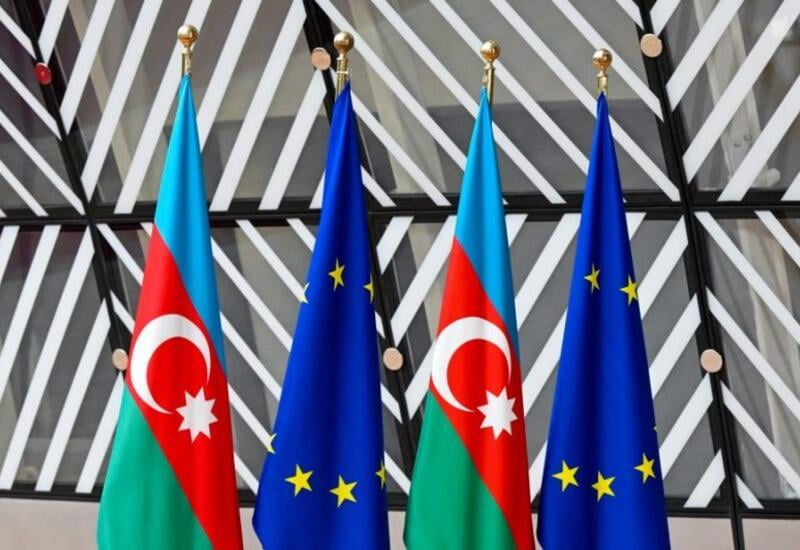
Baku: Negotiators from Azerbaijan and the European Union provisionally agreed the EU Azerbaijan partnership priorities for 2026 to 2030 after talks on 2 and 3 June 2026, and they also formally resumed work on a new bilateral agreement. The sources reviewed show no later public update on the main text, which makes the June outcome the latest verified milestone.
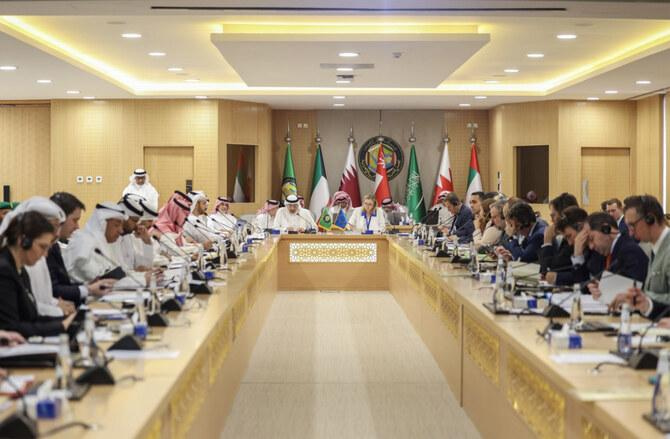
The two delegations were led by Azerbaijani Deputy Foreign Minister Yalchin Rafiyev and by Audronė Perkauskienė, Deputy Managing Director at the European External Action Service. Baku’s foreign ministry described the talks as productive and said progress had been made in many areas. The EU delegation said the text of the partnership priorities had been provisionally concluded.
The composition of the Azerbaijani team shows how wide the file has become. It included the Presidential Administration and the ministries responsible for the economy, justice, energy, digital development and transport, finance, labour and social protection, and science and education. The Central Bank, the State Customs Committee, the state energy company SOCAR, the antimonopoly service, the intellectual property agency and the media development agency also took part.
The scope of the EU Azerbaijan partnership priorities matches that list. The sides discussed economics, trade, energy security, transport, logistics, green energy and digitalisation, which are the same areas where the EU wants predictable rules and where Baku wants recognition as a connector between Europe and Central Asia. The priorities will set the political direction, while the new agreement would turn it into binding commitments.
Political contact has been steady this year. Azerbaijani President Ilham Aliyev received EU High Representative Kaja Kallas in Baku on 5 May, and Foreign Minister Jeyhun Bayramov also met her. Those meetings gave the June negotiators a clear mandate, and they signalled that both capitals want a more structured relationship after a period of cooler exchanges.
The EU Azerbaijan partnership priorities came with a promise: both sides agreed to continue intensive negotiations in online and in-person formats. No schedule has been announced for concluding the new agreement, and none of the published readouts contains figures on trade volumes or funding. That absence is typical of a document that sets priorities rather than commitments, but it means the first real test lies in the chapters on energy, transport and economic cooperation.
For Brussels, the balance around the EU Azerbaijan partnership priorities is delicate. The EU wants dependable energy and transport links across the South Caucasus, yet it also wants the partnership to reflect its stated emphasis on governance and the rule of law. The presence of justice and media bodies in the Azerbaijani delegation suggests that these themes are part of the conversation, though the readouts do not describe what was agreed on them.
The next months will show whether the June momentum holds. If working groups report concrete progress, the EU Azerbaijan partnership priorities could become the base for a full agreement within the 2026 to 2030 window. If talks slow, the document will remain a statement of intent, and both sides will have to explain why a partnership they describe as strategic still lacks a legal text.