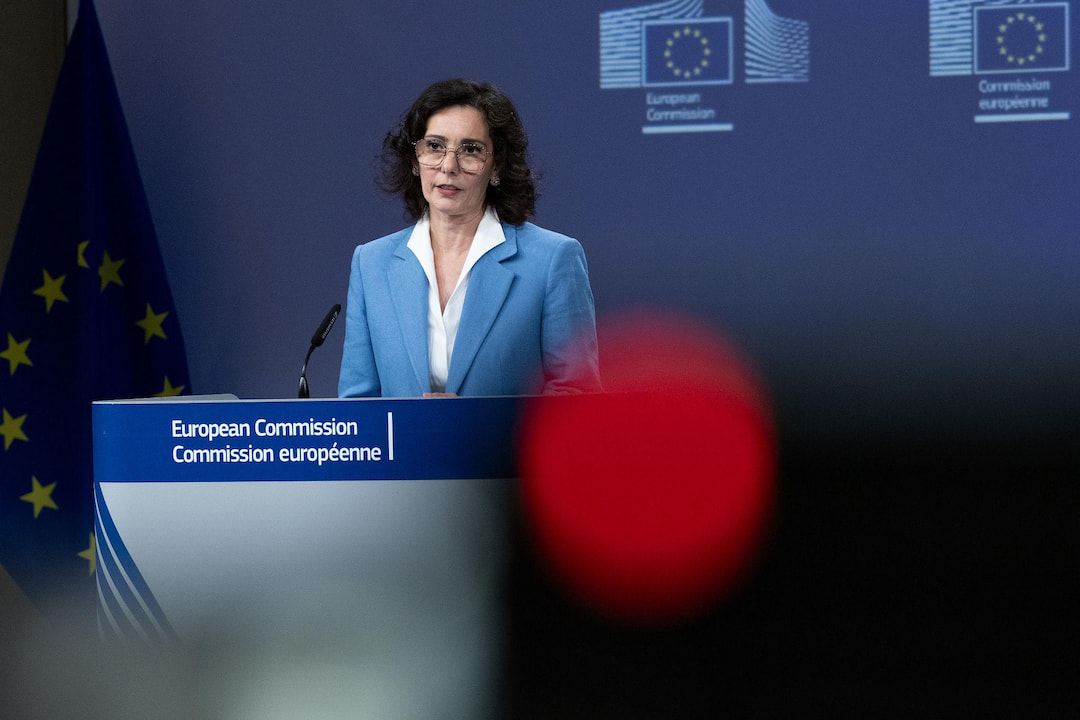
Évora: Commission Executive Vice-President Raffaele Fitto and Committee of the Regions President Kata Tüttő clashed over the future of cohesion policy on 12 October 2026, the opening day of the European Week of Regions and Cities. Both defend regional funding against cuts, yet they disagree sharply on who should steer the money. The row feeds directly into the 2028-2034 EU budget talks.
Tüttő rejected what she called the narrative of an old and outdated cohesion policy. She argued that cohesion policy now sits apart from other EU policies and warned that cutting it means cutting investment in competitiveness. The Committee of the Regions presented its seventh annual report on the State of Regions and Cities in the European Union the same day under the motto Strong Regions, Strong Europe.
Fitto answered that cohesion policy must line up with new priorities and that regions must adapt to a changed context, including the war in Ukraine and wider instability. He said the Commission keeps working constructively to move the negotiations forward. The Committee of the Regions still praised good cooperation with the Commission on housing, islands, outermost regions and border regions.
The sharpest disagreement concerns architecture. The Commission proposal merges resources for agriculture and regional development into a single financial envelope. Tüttő criticises that design because it centralises funds that local and regional authorities now manage themselves.
Money adds pressure. According to Eunews, the Irish Presidency of the Council proposed cuts to the Commission’s budget that total 27.8 billion euros for the Common Agricultural Policy and cohesion combined. The Council and Parliament must still agree the final figures, so the numbers can move in either direction.
The week itself gave regions a platform. Speakers at the opening session included Council President António Costa, Fitto and Jack Chambers, and the Committee of the Regions plenary on 13 and 14 October took one resolution and 19 sets of recommendations. The Commission and the Committee also planned to sign a joint action plan on employment and social policies on 13 October.
For regional leaders, the stakes are practical. Cohesion policy funds roads, housing, training and business support in places that national budgets often overlook. If the single envelope wins, national capitals gain more say, and mayors and regional presidents fear a loss of influence.
The next test comes when the Council and Parliament take positions on the merged envelope. Until then, cohesion policy remains the clearest fault line in the 2028 budget debate, and Fitto and Tüttő have shown that even allies on funding can split on control.