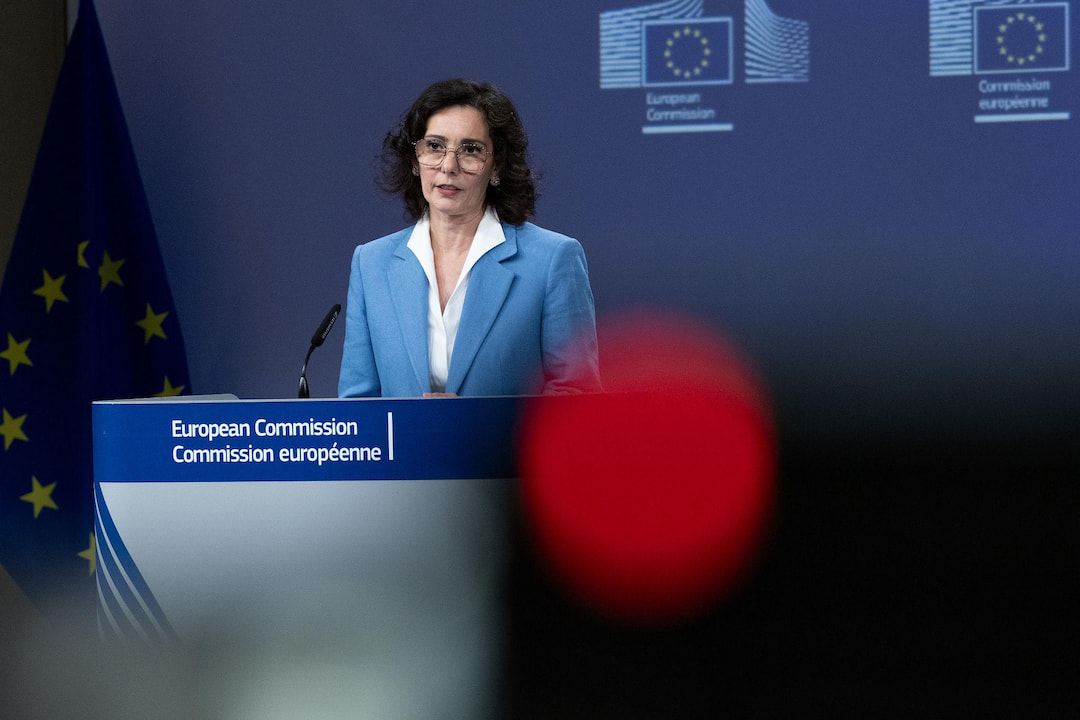
Stockholm: EU consumer authorities have launched coordinated action against nine video game companies over how they sell in-game virtual currencies, a case that reaches Mojang, the Stockholm-based studio behind Minecraft. The Consumer Protection Cooperation Network, a group of national regulators coordinated by the European Commission, announced the move on 1 October 2026. It also adopted a joint statement that sets one common approach to gamers’ rights across the single market.
The nine companies are Crytek, InnoGames, King.com Operations (Malta), Mojang, Plarium Europe, PLR Worldwide Sales, Riot Games, Supercell and Ubisoft EMEA. The market check behind the action covered nine titles, among them Candy Crush Saga, Minecraft, Clash of Clans, Valorant and For Honor. The regulators want the nine firms to fix how they price in-game virtual currencies. A parallel case targets Activision Blizzard UK over Diablo Immortal and Call of Duty Mobile.
The regulators judge companies against seven key principles on in-game virtual currencies. Prices must show the real-world cost of items and currencies, and firms may not hide that cost behind several currencies or exchange rates. Players must not have to buy excess currency just to progress, and they must receive clear information before every purchase.
The principles for in-game virtual currencies also protect the 14-day right of withdrawal, which covers unused virtual currency. Terms and conditions must stay fair and readable, and companies must add safeguards for vulnerable consumers, above all children. The Activision Blizzard case goes further and examines addictive design, parental-control defaults, direct marketing to children and account blocking.
The network turned to enforcement after a dialogue with the industry in 2025 failed to deliver satisfactory results. The Consumer Protection Cooperation Network can now require the nine firms to change their practices and can take joint enforcement action where they refuse. Companies must review their in-game stores and fix any breach.
The industry pushes back on the legal basis. Video Games Europe and the European Game Developers Federation say they substantially disagree with the regulators on how EU law classifies in-game virtual currencies, and they reject the view that these tokens represent value in the way cryptocurrency does. That dispute will shape how far the key principles bind studios.
The timing matters for the wider rulebook. Legal commentators report that the Commission intends to publish its draft Digital Fairness Act in November 2026, and they expect it to absorb much of the thinking on dark patterns, loot boxes and child protection. For now, the joint statement gives national authorities a shared playbook.
Parents and players should watch for visible changes in 2026 and 2027. If the network succeeds, a price shown in gems or coins will also appear in euros, and children will meet fewer prompts to spend. The case will show whether coordinated enforcement can discipline in-game virtual currencies before new legislation arrives.