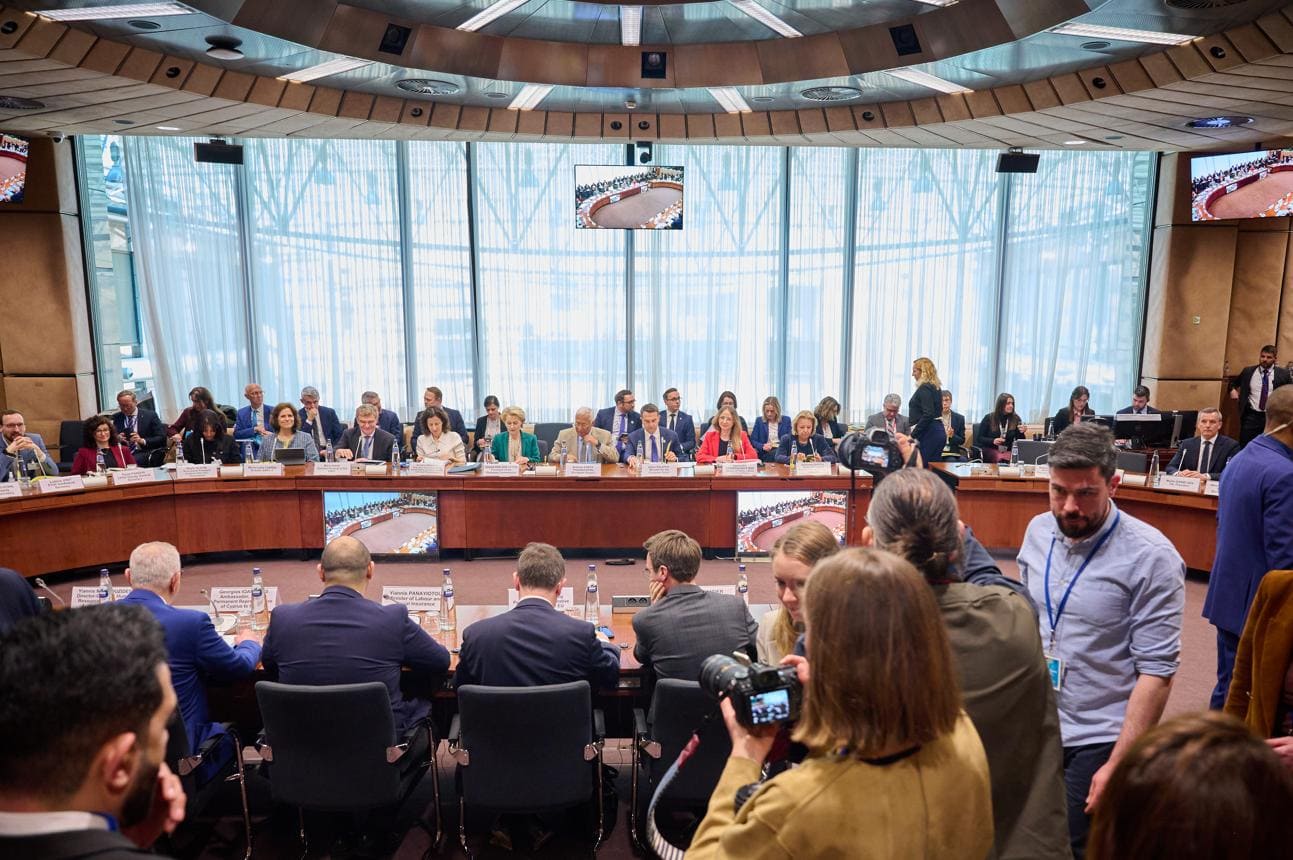
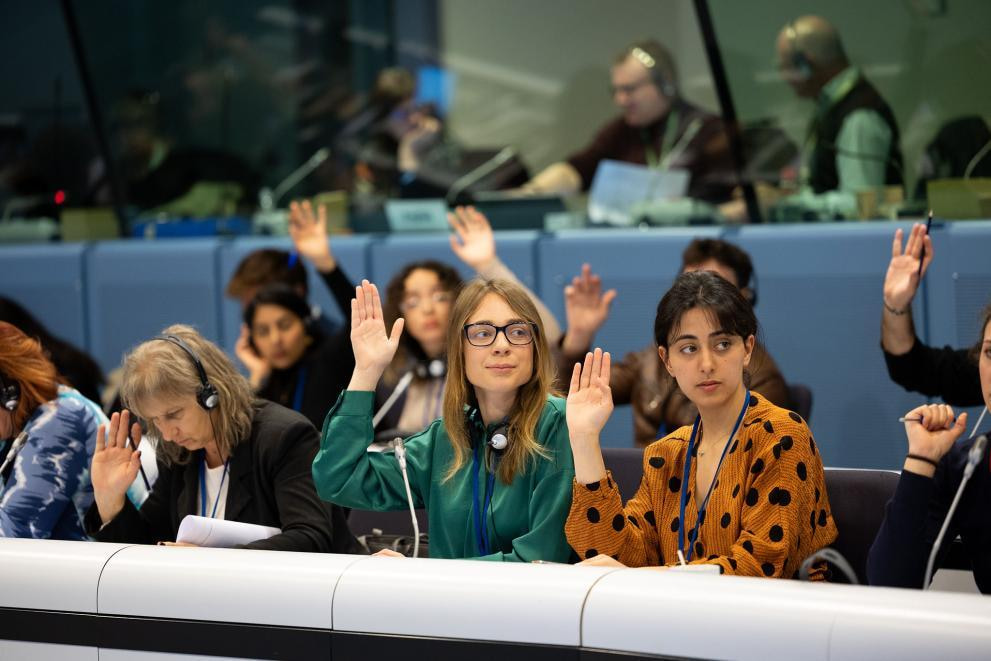
Kirchberg: EU employment and social affairs ministers will debate equality and competitiveness in Luxembourg on 19 October 2026, when they take up Council conclusions that present equality policy as a driver of growth. The Irish presidency chairs its first EPSCO Council, with ministers Dara Calleary, Norma Foley and James Browne sharing the chair. The public session on the text starts at about 09:40, shortly after the Council approves its routine list of A items, according to the Council media advisory.
The draft is titled Council Conclusions on Equality as a Driver for Economic Reform, Growth and Competitiveness in the EU, the Irish government announced on 16 October. Foley, Ireland’s minister for children, disability and equality, argues that the text makes the economic case for a more diverse labour market. She cites higher employment rates, job creation, greater productivity and a wider talent pool.
Agence Europe reported that member states were still negotiating the wording in the days before the meeting. Council conclusions need agreement among all 27 governments, so a single objection to the language on discrimination could delay approval. Ministers will also hold a debate titled Delivering equality in the European Union and receive an update on the Council directive on equal treatment.
The presidency frames equality and competitiveness as mutually reinforcing. Its joint ministerial statement says the strength of the European Union lies in its people and calls for a competitive, innovative and prosperous Europe grounded in equality, solidarity and social justice. Calleary adds that high-quality employment is central to economic resilience and social cohesion, and that evidence-based policy should rest on the EU values of equality and non-discrimination.
The link between equality and competitiveness also touches EU funding. The Citizens, Equality, Rights and Values programme, known as CERV, finances projects on citizen engagement, the rights of the child and civil society networks that defend Union values, as the Education and Culture Executive Agency explained when it opened the 2026 calls. Council conclusions create no money, but they shape the political argument for protecting equality spending in the next EU budget, which leaders have yet to agree.
The same Council meeting also covers the EU Anti-Poverty Strategy, the Quality Jobs Act and the European Semester, so the equality and competitiveness item competes for time on a crowded agenda. The ministers close the day with a hybrid press conference at about 16:15, where Calleary, Foley and Browne should explain what they agreed.
For employers and workers, the practical question is whether equality and competitiveness will serve as partners in future EU law or as rival goals. The outcome in Luxembourg will show whether capitals accept the Irish framing, and CERV applicants will read it closely as the debate on funding for 2028 to 2034 gathers pace.