Esbjerg: The European Commission opened a composites safeguard investigation in Brussels on 23 November 2026, putting glass-fibre reinforced composites and the chemicals behind them under review as imports surge. The probe matters for blade makers in wind hubs such as Esbjerg, because the same materials feed turbines, power grids, aircraft and defence equipment.
The composites safeguard investigation covers the whole supply chain rather than a single product. It reaches glass fibre reinforcements such as chopped strands, rovings and mats, plus epoxy, unsaturated polyester and vinyl ester resins. It also covers three chemical inputs for resin production, namely epichlorohydrin, isophorone diamine and maleic anhydride.
In its announcement of the composites probe, the Directorate-General for Trade and Economic Security said the import surge stems from “growing global overcapacity” and from increased trade-restrictive measures in other major markets. In other words, Brussels fears that goods shut out of other markets are now heading for Europe.
The EU also told its trading partners in Geneva the same day. The notification to the WTO Committee on Safeguards, filed as G/SG/N/6/EU/6, gives interested parties 21 days to return questionnaires and submit written evidence. That puts the deadline at 14 December 2026, and parties that want a hearing must ask within the same window.
Who files evidence will matter. The composites safeguard investigation invites EU producers, importers, users and exporters to come forward, and the Commission asks interested parties to make contact, preferably by email, within 15 days of initiation, or by 8 December 2026. The questionnaires sit on the Directorate-General’s website.
Timing will shape the outcome of the composites safeguard investigation. The Commission can impose provisional measures four or five months after initiation if it finds the legal conditions met. Any safeguard needs the backing of a qualified majority of member states, and definitive measures must follow within 200 days of provisional ones.
A safeguard works differently from the anti-dumping cases that dominate EU trade defence. The composites safeguard investigation applies to imports from all countries, not just named exporters. A WTO member may restrict imports for a limited period only when it shows that rising volumes cause, or threaten, serious injury to a domestic industry.
Europe already uses narrower tools in this sector. The EU applies anti-dumping and anti-subsidy duties on glass fibre reinforcements and epoxy resins from several countries, including China. Those duties, however, cover only specific products and origins, which leaves room for trade to shift to other suppliers and other inputs.
For European glass fibre and resin producers, the composites safeguard investigation offers a chance to show injury across a wider range of products than earlier cases allowed. For importers and users, it raises the prospect of quotas or extra duties on supplies from every origin.
Trade specialists at Borderlex called the case the EU’s third safeguard probe in a month. The pattern reflects the Commission’s wider economic security agenda for 2026, which treats strategic supply chains for energy and defence as sectors worth shielding from global oversupply.
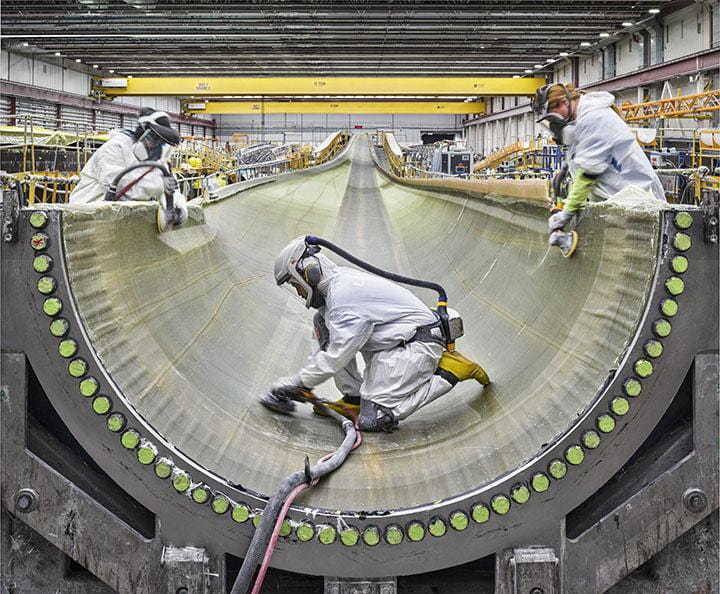
The stakes for downstream users are real. Wind turbine makers rely on glass fibre and epoxy for blades, while grid operators and aerospace firms use the same resins for insulators and structural parts. Higher import costs could squeeze projects that the EU counts on to meet its 2030 climate and defence targets.
Companies can follow the file, case number 2932, on the Commission’s TRON trade defence platform. Over the coming months, the composites safeguard investigation will test how far Brussels will go to protect European producers without raising costs for the industries it wants to grow.