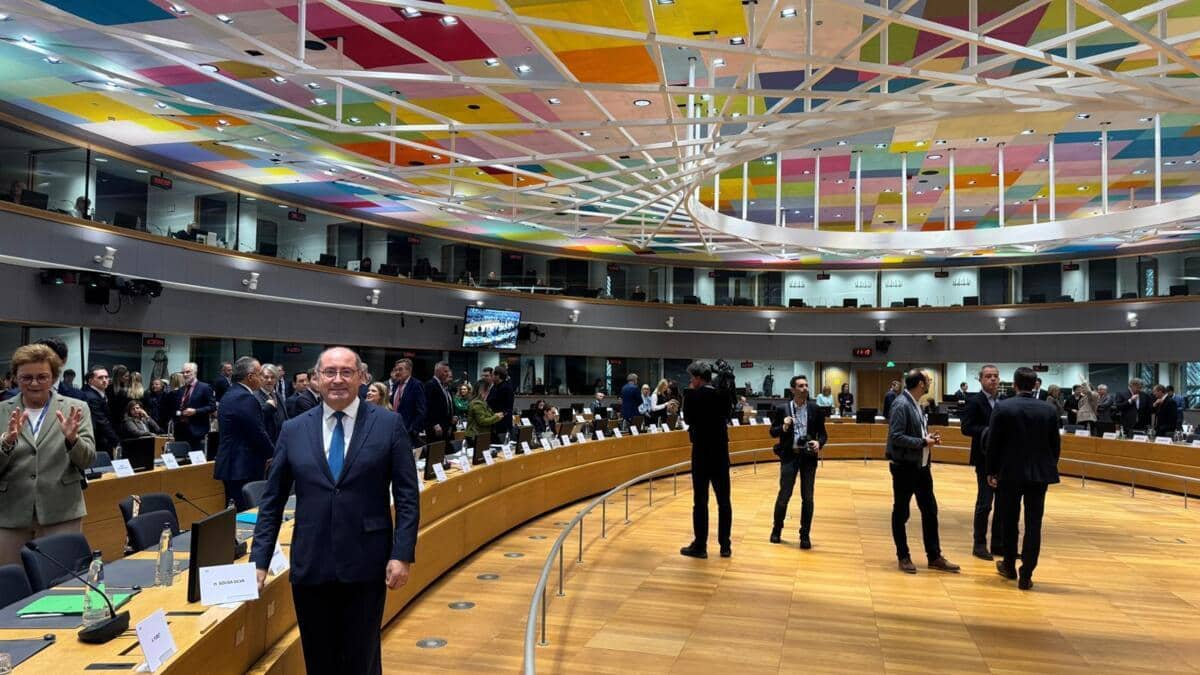
Vaduz: Liechtenstein’s Deputy Prime Minister and Foreign Minister Sabine Monauni will chair the 63rd EEA Council in Brussels on 17 November, bringing EU and EFTA ministers together to review how the European Economic Area works. Draft conclusions dated 11 November show the meeting will centre on digitalisation and on the slow transfer of EU law to Norway, Iceland and Liechtenstein.
Norway’s Espen Barth Eide and Iceland’s Þorgerður Katrín Gunnarsdóttir will sit alongside Monauni for the EEA EFTA side. Thomas Byrne will represent the Irish Council presidency, with the European Commission and the European External Action Service also at the table, according to the draft EEA Council conclusions.
Ministers plan an orientation debate on harnessing digitalisation for the internal market’s competitiveness and growth. The choice reflects a practical problem: the EU has adopted the Digital Services Act, the Digital Markets Act and the AI Act, and it is now reshaping them through the Digital Omnibus. The EEA EFTA states must incorporate each text before businesses in Oslo, Reykjavík or Vaduz face the same rules as their competitors in the 27 member states.
That incorporation work has long trailed Brussels, and each EEA Council reviews it. At the previous EEA Council on 27 May, chaired by Cyprus, draft minutes recorded 223 Joint Committee decisions incorporating 388 acts since November 2025. They also listed 661 acts awaiting incorporation in January, 59 of them adopted before 2022. The November draft again flags the backlog as a priority.
Simplification adds a new layer of complexity. The draft conclusions refer to the Commission’s Omnibus packages and a “One Europe, One Market” roadmap, which aim to cut red tape across the single market. EEA EFTA governments want those changes to reach their companies at the same time, rather than years later.
Security and geopolitics also feature. Ministers will discuss Russia’s war against Ukraine in a political dialogue with the High Representative, and the draft touches on economic security, military mobility and reform of the World Trade Organization. Climate policy appears through the revision of the EU Emissions Trading System towards 2040, which Norway, Iceland and Liechtenstein already apply.
Money and fish round out the agenda. The draft refers to the next EEA and Norway Financial Mechanisms for the 2028-2034 period, through which the three countries fund projects in poorer EU regions. It also mentions North-East Atlantic mackerel, a stock where coastal states have struggled for years to agree shares.
The Council of the EU lists the meeting on its official meeting page. Because the conclusions remain a draft, ministers can still amend the wording before adoption. For the 30 states bound by the single market, the EEA Council offers a twice-yearly test of whether one rulebook really applies everywhere, and this EEA Council will judge that test against a fast-moving digital agenda.