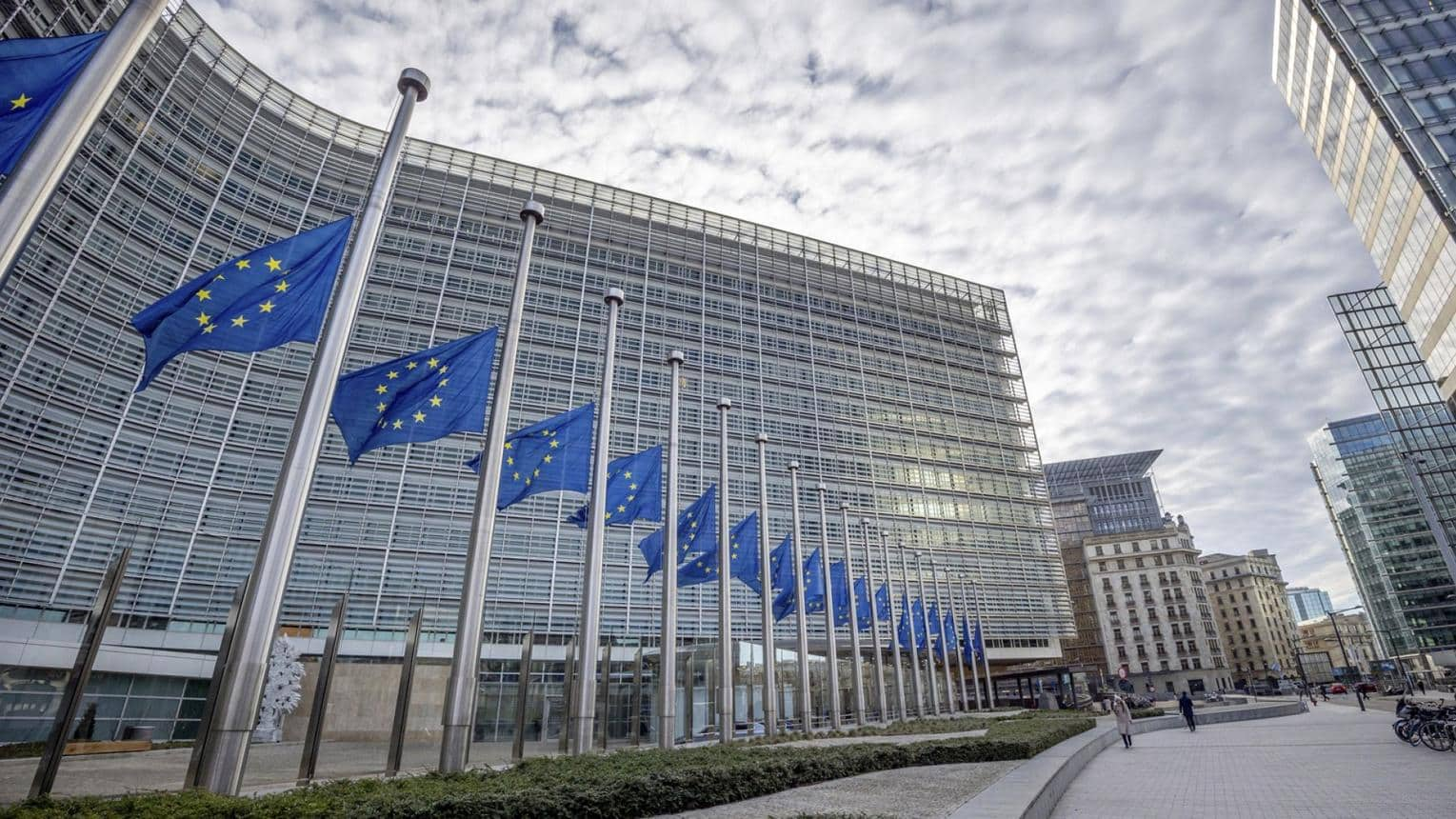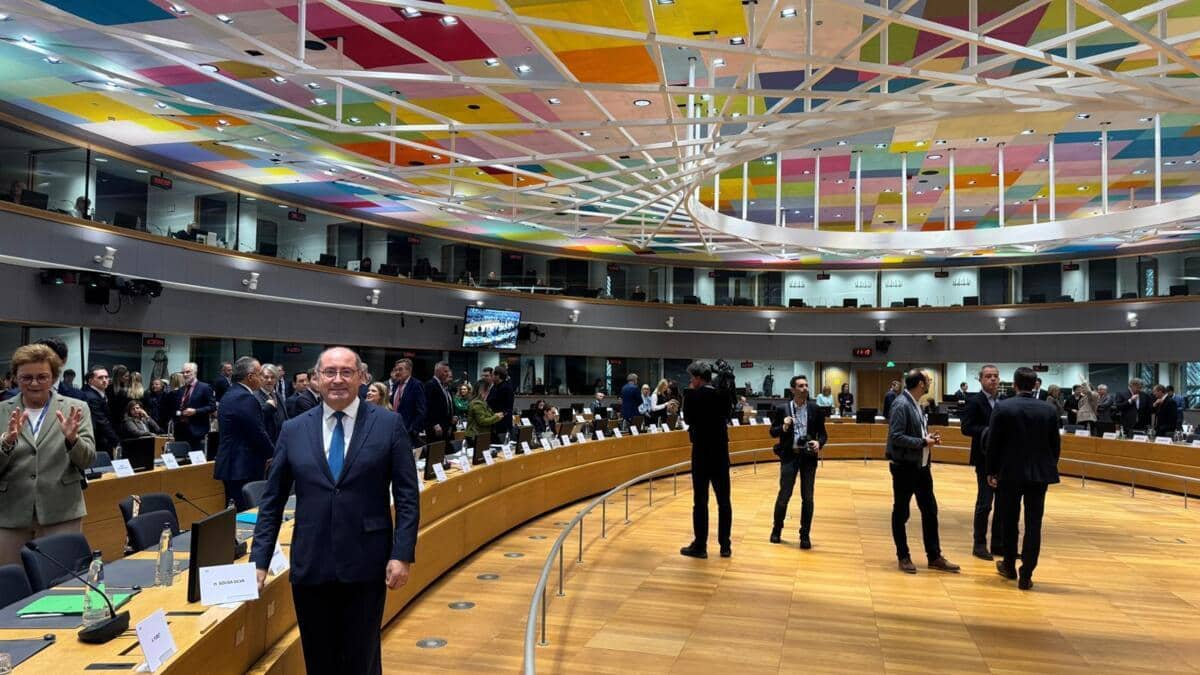
Justus Lipsius: Negotiators for the Council and the European Parliament sealed the EU budget 2027 in the early hours of 11 November, agreeing €199.7 billion in commitments and €211.5 billion in payments after a conciliation committee in Brussels. The deal lands five days before the 16 November legal deadline and closes the last annual cycle of the 2021-2027 long-term framework.
The Irish Council presidency led the talks through Tánaiste and Finance Minister Simon Harris. He framed the outcome as a balance between acting decisively on Europe’s priorities and sparing national treasuries and taxpayers from extra strain. The European Commission, which tabled its draft in June, welcomed the compromise in its own statement on the final annual budget.
Commitments equal 0.99% of EU gross national income and payments 1.05%. The EU budget 2027 also leaves €710.1 million unallocated under the expenditure ceilings, a margin the Council wants for shocks nobody can yet foresee. On top of the headline sums, the agreement carries €5.9 billion in special instruments.
Payments, not commitments, drive the EU budget 2027 story. The Commission links the rise to cohesion programmes that now run at full speed as the 2021-2027 period winds down, with member states drawing money for competitiveness, defence, affordable housing, water resilience and the energy transition. Payments sit almost 5% above the 2026 level, so national contributions based on gross national income will climb as well.
Cohesion, resilience and values remains the largest heading at €75.8 billion in commitments. Natural resources and environment, which funds farming, follows with €57.1 billion, so cohesion and agriculture together absorb roughly €113 billion. Single market, innovation and digital receives €22.0 billion, neighbourhood and the world €15.5 billion, and European public administration €13.9 billion.
Several lines reflect recent political choices. Member states will receive an extra €1.1 billion for migration management because 2027 is the first full year of the Pact on Migration and Asylum. Ukraine support includes €650 million linked to the Ukraine Facility and the Ukraine Support Loan, while Greenland gets €200 million. Interest on NextGenerationEU borrowing reaches €9.9 billion, about €4.9 billion more than originally planned.
Both sides moved to close the gap on the EU budget 2027. The Council had set its July position at €191.88 billion in commitments and pushed for cuts to the Commission draft of €199.9 billion. Parliament adopted its own reading on 21 October and fought to reverse those reductions, so the final figures land close to the original proposal.
Formal approval still lies ahead. Ministers expect to endorse the text by qualified majority on 23 November, and MEPs plan their final plenary vote for 24 November. Coverage by The Brussels Times notes that both institutions have 14 days from the conciliation deal to sign off.
The settlement also matters for the next decade. Talks on the 2028-2034 framework remain unfinished, and Article 312 of the Treaty would roll the 2027 ceilings forward if leaders fail to agree in time. For capitals and regions, the EU budget 2027 therefore sets both the final spending year of the current cycle and a possible baseline for the next one, which keeps the EU budget 2027 at the centre of the debate.