Brussels: The European Commission has put cheaper power bills at the heart of a new electrification plan, publishing its Electrification Action Plan on 17 July 2026 with a pledge to make Europe the “first electro-powered continent” and to close the price gap between clean electrons and imported fossil fuels.
The electrification plan sets an indicative target of 46% by 2040 for electricity’s share of final energy consumption, up from roughly a fifth today. Alongside it, the Commission proposed measures to future-proof electricity bills, letting governments cut network charges for some consumers and trim taxes for energy-intensive industry.
The pitch is blunt: homegrown power should cost less than fuels shipped in from abroad. Reaching the target could cut the EU’s fossil fuel import bill by €260 billion a year by 2040, according to the Commission.
Dan Jørgensen, the Commissioner for Energy and Housing, cast the electrification plan as a choice about independence.
“Choose green, home-grown, cheaper electrons over black, imported, expensive molecules. Choose independence over vulnerability,” Jørgensen said.
The package pushes faster deployment of smart meters so households can shift use to cheaper hours, and it seeks to ensure electricity is not taxed more heavily than gas — a quirk that has long penalised heat pumps and electric cars. Executive Vice-President Teresa Ribera and Climate Commissioner Wopke Hoekstra presented the plan alongside Jørgensen.
The Commission bundled the electrification plan with a review of the EU Emissions Trading System, offering industry more flexibility on carbon costs even as it presses electrification. That pairing drew criticism from campaigners who fear a softer carbon price, and cautious welcome from manufacturers worried about competitiveness.
What the plan promises to change:
- A 46% electrification target by 2040, measured as electricity’s share of final energy use.
- Powers for governments to lower network charges and industrial energy taxes.
- Faster smart-meter rollout to help consumers cut bills.
- Up to €260 billion a year saved on fossil fuel imports by 2040.
Affordability drives the politics. High electricity prices since the energy crisis have angered households and squeezed industry, and the Commission argues that only cheaper, cleaner power can hold both together. It wants electricity to become the default choice for heating, transport and factories.
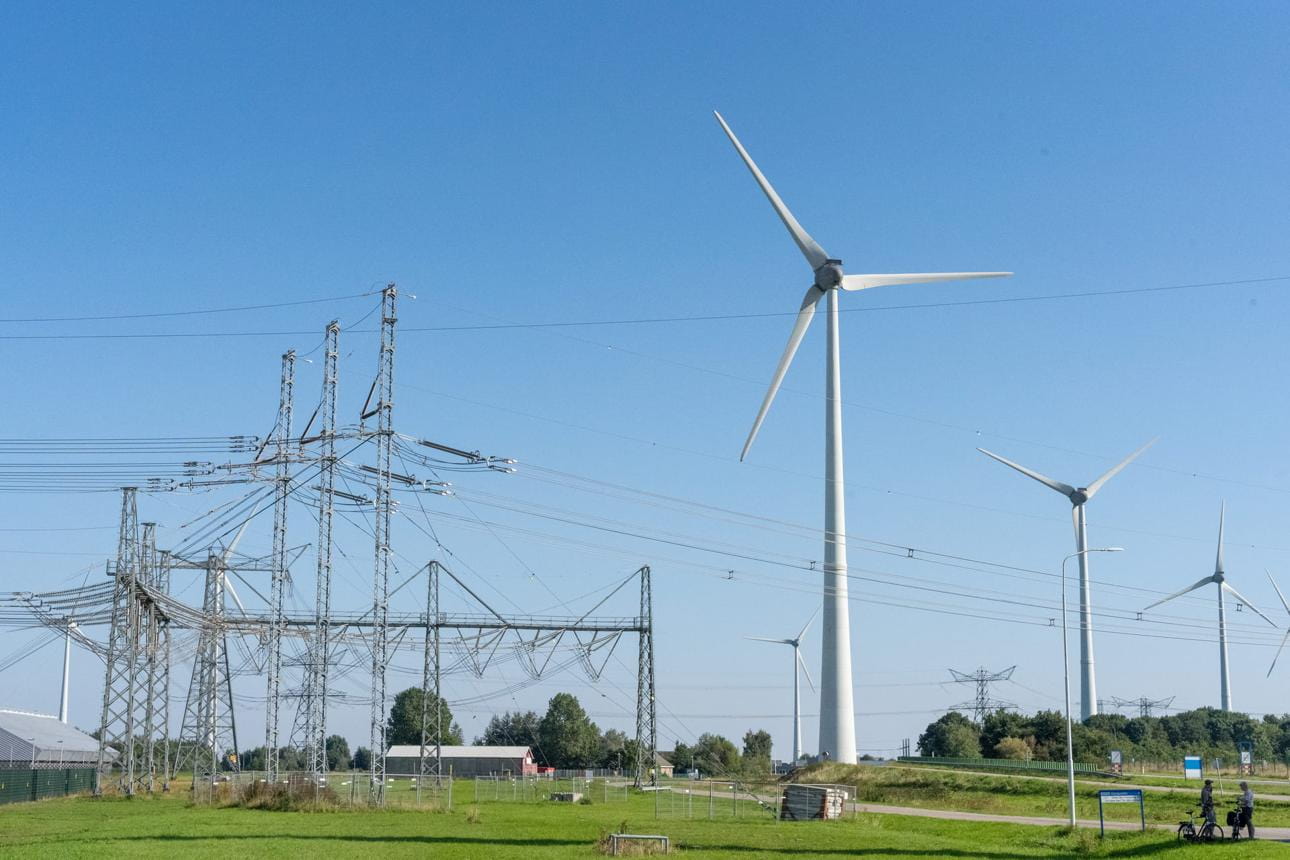
Delivery will depend on grids. Analysts warn that Europe’s networks are not yet wired for a doubling of electricity’s role, and that permitting, cables and storage must expand fast. The Commission’s Electrification Action Plan concedes that investment in transmission and distribution has lagged demand.
The proposals now pass to the European Parliament and member states, where energy taxation touches national budgets and unanimity still rules in some areas. The Commission’s electrification agenda frames the plan as central to competitiveness, decarbonisation and security. For consumers, the test is simple: whether the electrification plan actually shows up as lower numbers on the monthly bill.