Podgorica: Montenegro EU accession talks head into the autumn of 2026 with 18 of 33 negotiating chapters provisionally closed and a government that wants to finish the whole negotiation by the end of the year. Ireland’s Minister of State for European Affairs, Thomas Byrne, said on 14 July that Montenegro remains “the frontrunner in the EU’s accession process” after two more chapters, on competition policy and the customs union, closed that day. The European Western Balkans report records the milestone.
Montenegro EU accession has moved fast. Montenegro had 14 chapters closed in April, and the total reached 18 by mid-July. Two chapters, on free movement of workers and on health and consumer protection, closed on 15 June 2026, so the country added four chapters in roughly three months.
The legal groundwork for Montenegro EU accession has started as well. On 22 April 2026 EU ambassadors endorsed an ad hoc working party to draft the accession treaty, the step that lets lawyers begin writing the legal text. European Council President António Costa said that “for the first time since 2013, the EU starts the clock for the next enlargement”, according to New Union Post.
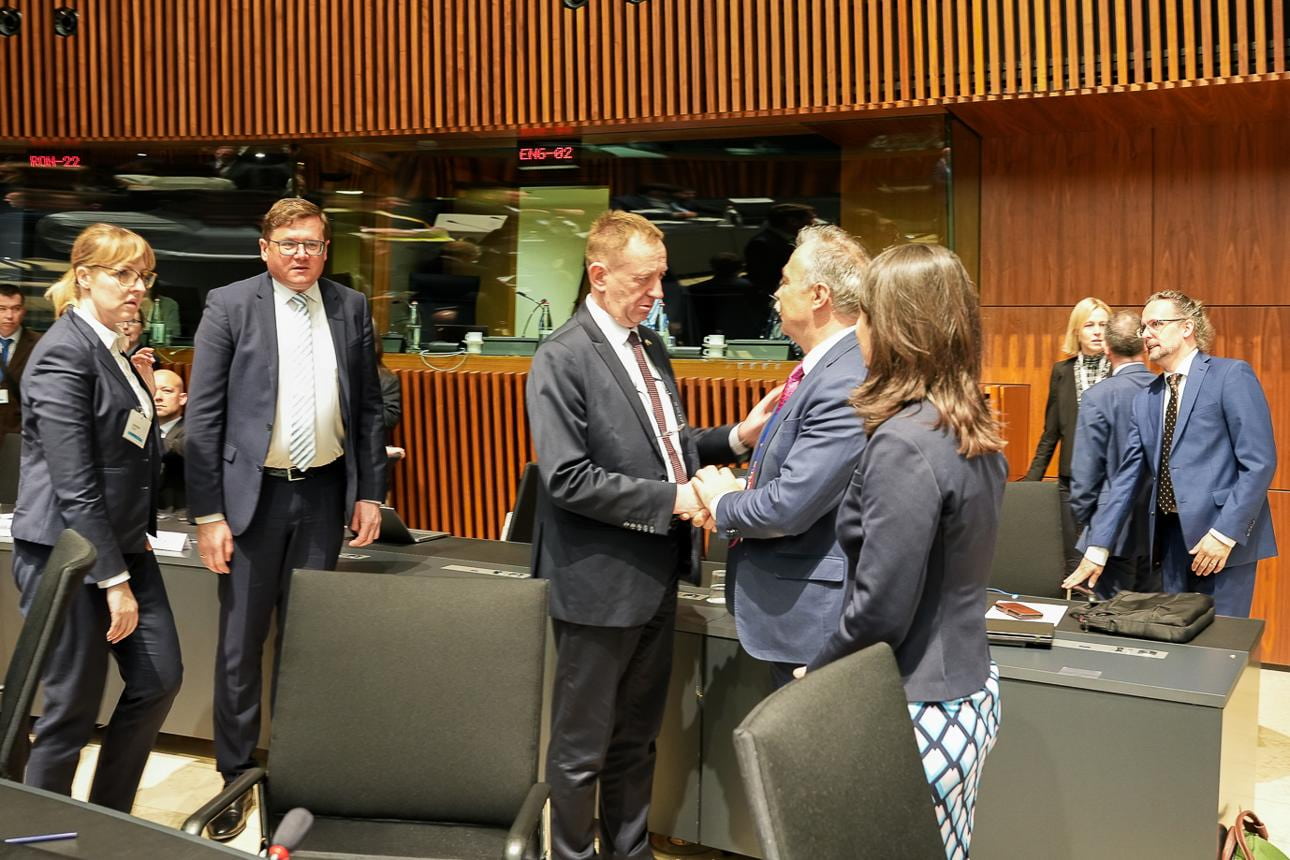
Enlargement Commissioner Marta Kos has pushed the same message. Speaking in Luxembourg on 15 June, she said Montenegro could complete its negotiations during Ireland’s Council presidency or at its end if momentum continues, and she noted that the EU had achieved more in the past 16 or 17 months than in the previous 15 years. She also called for stronger safeguards in future accession treaties to prevent backsliding on the rule of law.
Podgorica sets its own bar high for Montenegro EU accession. Montenegro’s European Affairs Minister, Maida Gorcevic, said at the informal meeting of EU ministers in Dublin in early September that “our goal remains full membership by 2028, with equal rights and equal responsibilities”. That date would make Montenegro the 28th member state.
Several hurdles still stand in the way of Montenegro EU accession. Under the negotiating rules, provisional closures do not become final until all chapters are agreed, and the hardest rule-of-law questions are still under close review. The accession treaty must then win approval from the Commission, the European Council and the European Parliament before all 27 member states ratify it.
The financial side also needs an answer. The Commission planned to propose a financial package for Montenegro before the summer, and governments will study what enlargement costs before they sign. Ratification by 27 national parliaments takes time, so even a fast negotiation does not guarantee membership in 2028.
Readers should watch three signals. First, the number of open chapters after each intergovernmental conference under the Irish presidency. Second, the Commission’s annual enlargement report, which normally arrives in the autumn. Third, the draft treaty text itself, because Montenegro EU accession will look real only when member states start debating clauses, safeguards and dates.