Belgrade: Aleksandar Vučić conceded defeat after the Serbia election of 25 October 2026, saying “It is clear that we have lost these elections” as the student-led Student List moved towards a majority in parliament. Vučić, who resigned as president in September to run for prime minister, spoke before final results arrived, according to Al Jazeera.
Vučić said a sample of votes pointed to 135 to 140 of the 250 seats for the Student List against 105 for his own list. A majority needs 126 seats. Readers should treat those seat figures from the Serbia election as his projection until the State Election Commission publishes official numbers. The commission reported turnout of 64.9 percent by 6pm, the highest since the breakup of Yugoslavia in 1992, and voting ran until 8pm.
International observers praised the Serbia election count and criticised the campaign. In a statement dated 26 October, the OSCE’s democracy office said it positively assessed all stages of election day in the vast majority of polling stations observed. It also said campaign equality was “seriously compromised” by the ruling party’s “grave misuse of public resources”, according to the ODIHR press release.
Eoghan Murphy, who headed the ODIHR mission, pointed to “serious shortcomings in the process, a profound bias in the media and a failure to protect the online space from manipulation”. Observers found that broadcasters favoured United Serbia and mostly portrayed the Student List negatively. They also noted unresolved reports of alleged Pegasus spyware use and widespread distrust in the voter register.
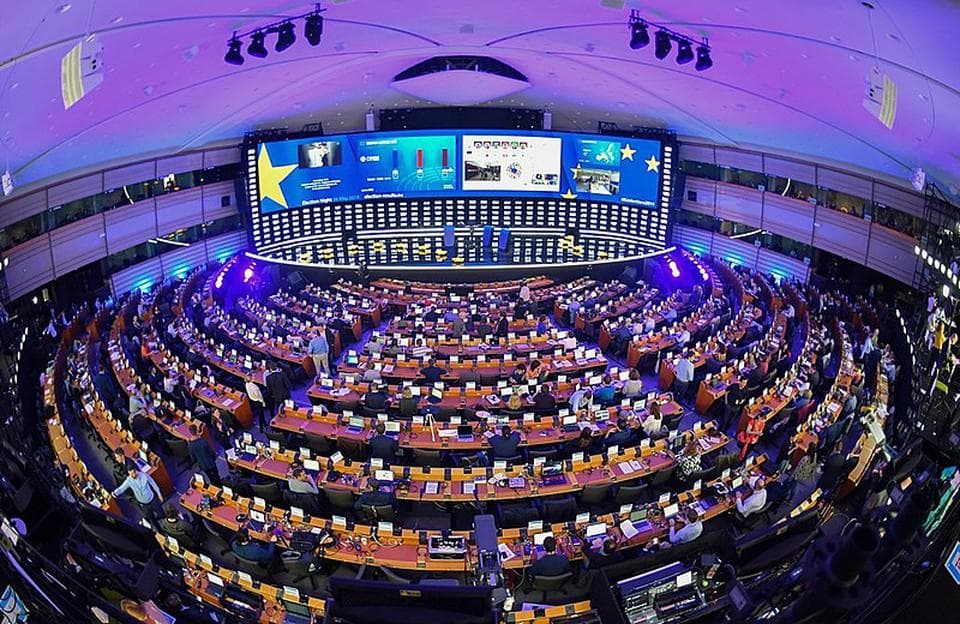
The European Parliament sent a delegation to the Serbia election, led by Andreas Schieder. He called the “exceptional peaceful mobilization” a testament to the historic significance of the vote. Piero Fassino, who led the Parliamentary Assembly of the Council of Europe delegation, said citizens had “brought about historic change” and asked the newly elected authorities to live up to the trust placed in them.
Problems on the ground also marked the Serbia election. The observers found that independent access for voters with disabilities was missing in 60 percent of the 1,485 polling stations they visited. The monitoring group CRTA reported pressure on voters or election workers at almost a third of the 500 polling stations it monitored. The final tally will show how far such incidents shaped the result.
The result lands in Brussels as the Commission works on accession roadmaps. The Commission has said those indicative roadmaps cover Montenegro, Albania, Moldova and Ukraine, and Serbia is not on that list. Commission President Ursula von der Leyen congratulated the Student List on X, but the sources reviewed do not describe any EU plan to change its approach.
The next steps are official results and the formation of a government. The sources reviewed give no date for either. The ODIHR said that significant recommendations from the Venice Commission and the OSCE remain unaddressed, so the Serbia election has handed the incoming government both a mandate and a long list of electoral reforms to settle.