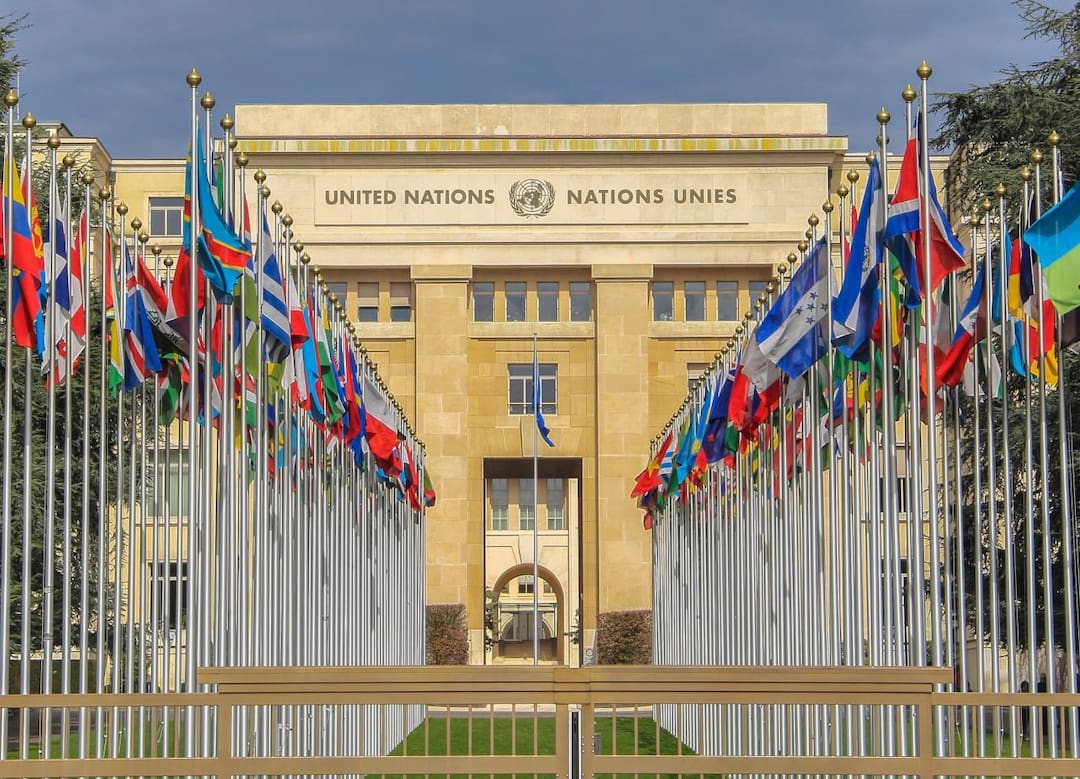
Geneva: The UN convention on older persons enters a second round of drafting on 26 October, when an intergovernmental working group reconvenes at the Palais des Nations to negotiate a binding treaty. The UN Human Rights Council created the group to draft an instrument that lets older people fully exercise their rights. The European Parliament and the European Commission have already told negotiators where the Union stands, and the official session page confirms the five-day meeting runs until 30 October.
On 8 October, MEPs from several political groups used a plenary debate in Strasbourg to press for concrete protections in the future UN convention on older persons. They asked for guarantees on independent living, access to care and health services, action against age discrimination and real social participation. Speakers also demanded support for informal carers and access to public services for people who cannot rely on digital tools or electronic payments.
Raffaele Fitto, the Commission’s Executive Vice-President for Cohesion and Reforms, told the chamber that the Commission supports the rights of older persons and backs the UN process. He added that any new text must stay consistent with existing instruments, including the UN Convention on the Rights of Persons with Disabilities. Fitto also reminded MEPs that member states carry most of the responsibility for social and care policy.
The Commission still sees room for a dedicated treaty. Many relevant rights already sit in EU law on equality, social protection, employment, health and disability, yet a UN convention on older persons could clarify how general human rights apply in old age. Fitto said longer working lives should stay an individual choice and never become a uniform obligation.
MEP Łukasz Kohut proposed a simplified Erasmus+ pathway for older people, although that idea remains his own proposal and not an adopted or funded programme. Other speakers raised heatwave risks, the needs of persons with disabilities and the gap between urban and rural access to services.
The Commission also previewed its own agenda beside the UN convention on older persons. It plans a high-level exchange on dignified ageing in 2027, a report on adequate social protection, an expert report on minimum pensions and old-age poverty, a Longevity Roadmap and a Demography Forum. These steps follow the Strategy on Intergenerational Fairness that the Commission adopted in March 2026.
Readers who expect quick change should note the legal position. The Strasbourg debate produced no vote and no new directly applicable rights, and negotiators have adopted no treaty text. The working group meets twice a year for five days at a time, so the draft treaty will need several sessions before it takes shape. The first session ran from 13 to 17 July 2026.
Governments, civil society and EU institutions will now watch how the working group handles care, autonomy and non-discrimination. For MEPs and the Commission, the test is whether the UN convention on older persons adds real protection without duplicating the Union’s own rules.