November 1, 2026
LATEST
International Climate Finance Hits 32.3 Billion Before COP31ByteDance Gatekeeper Appeal Meets A Hostile Court AdviserRail Passenger Travel Hits A Record 457 Billion KilometresMarket Stability Reserve Deal Raises ETS Cancellation Cap To 700M2035 Car CO2 Target Softened By Two Committees Before ENVI VoteEastern Libya Migration Funding Puts EU Border Policy Under StrainThailand EU FTA Talks Hinge On Public Procurement And Farm AccessBeef Quota Fight Shapes The EU Australia Trade DealDamascus Visit Tests EU Syria Relations After Sanctions ReliefJakarta Presses For EU Indonesia CEPA Signing By Year EndProcurement Gap Stalls EU Philippines Free Trade AgreementMeasles Vaccination Gaps In Europe Test The 95 percent TargetRussian Gas Phase-Out Leaves No Road Back For Nord StreamLagarde Successor Race Opens Ahead Of February 2027 ExitSmall Parcels Customs Duty Of €3 Per Category Reshapes EU Online TradeReturn Regulation Deal Lets Member States Open Hubs Outside EUDigital Omnibus on AI Pushes High-Risk Rules To December 2027Singapore Rules Put EU Singapore Digital Trade Agreement To WorkTbilisi Court Case Tests Georgia’s Frozen Path To The UnionLondon Revisits The Ukraine Loan After SAFE Talks CollapsedInternational Climate Finance Hits 32.3 Billion Before COP31ByteDance Gatekeeper Appeal Meets A Hostile Court AdviserRail Passenger Travel Hits A Record 457 Billion KilometresMarket Stability Reserve Deal Raises ETS Cancellation Cap To 700M2035 Car CO2 Target Softened By Two Committees Before ENVI VoteEastern Libya Migration Funding Puts EU Border Policy Under StrainThailand EU FTA Talks Hinge On Public Procurement And Farm AccessBeef Quota Fight Shapes The EU Australia Trade DealDamascus Visit Tests EU Syria Relations After Sanctions ReliefJakarta Presses For EU Indonesia CEPA Signing By Year EndProcurement Gap Stalls EU Philippines Free Trade AgreementMeasles Vaccination Gaps In Europe Test The 95 percent TargetRussian Gas Phase-Out Leaves No Road Back For Nord StreamLagarde Successor Race Opens Ahead Of February 2027 ExitSmall Parcels Customs Duty Of €3 Per Category Reshapes EU Online TradeReturn Regulation Deal Lets Member States Open Hubs Outside EUDigital Omnibus on AI Pushes High-Risk Rules To December 2027Singapore Rules Put EU Singapore Digital Trade Agreement To WorkTbilisi Court Case Tests Georgia’s Frozen Path To The UnionLondon Revisits The Ukraine Loan After SAFE Talks Collapsed

Eastern Libya Migration Funding Puts EU Border Policy Under Strain

Benghazi: The latest eastern Libya migration funding package shows how far the European Union will go to reduce Mediterranean crossings, and how little it controls once the money leaves Brussels.

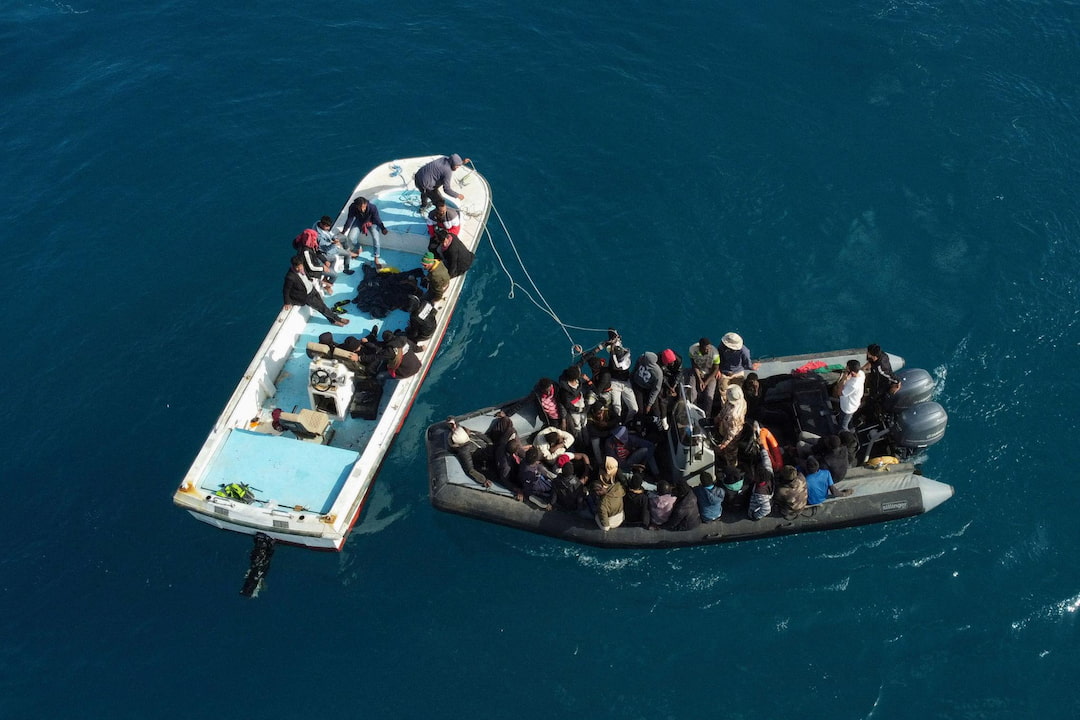
Reports on 13 October 2026 said the EU had committed roughly 25 million euros to expand cooperation with authorities in eastern Libya on border control and migration management. The announcement followed a May 2026 investigation by the watchdog Statewatch, which described an agreement to deepen work with eastern forces. Together the two reports suggest a shift from sporadic contacts to a structured partnership.

The logic behind eastern Libya migration funding is easy to follow. Libya has been split for years between a government in Tripoli and an eastern administration commanding the forces of Khalifa Haftar. Departures from the east have fed the central Mediterranean route and the shorter crossing toward Crete, so the Commission and several member states want a counterpart that can police the coast and the southern desert borders.

That reasoning carries a cost. This eastern Libya migration funding relies on equipment, training and surveillance support delivered to armed actors who do not answer to a single recognised authority. Rights groups have long documented abuse in Libyan detention, and the EU therefore faces the risk of financing the very practices that its own Charter of Fundamental Rights prohibits.

Brussels answers that the money is meant for border management capacity, not for detention. That distinction is hard to police in a country with no unified chain of command. Monitoring, auditing and conditionality sound convincing on paper, but they require access that eastern authorities can grant or withdraw as they please.

The eastern Libya migration funding also lands in a wider policy context. Member states have agreed to a new return regulation that allows return hubs in third countries, and the Commission has proposed a larger Frontex standing corps. Partnerships with transit states such as Libya, Tunisia, Egypt and Mauritania form the external half of that architecture, and the Sudan crisis keeps pushing refugees toward the Libyan border.

Diplomacy is the hidden variable in eastern Libya migration funding. Recognising or empowering the east risks undermining the UN-backed political track and the government in Tripoli, which Brussels still treats as the formal interlocutor. A deal that rewards one side of a divided country can harden the division, and a harder division makes migration cooperation less reliable, not more.

The European Parliament will probably ask how the 2026 money is audited, who receives the equipment and what happens if abuses are documented. Those questions decide whether the package counts as external action or as outsourcing. Eastern Libya migration funding will succeed only if the Commission can show measurable gains for people at sea and in detention, and if it can show them in public.